


Discover the Transformative Power of Juicing for Eco-Friendly Living
Juicing is more than just a passing health fad; it serves as a substantial strategy for sustainable living. By exploring the benefits of juicing for eco-friendly lifestyles, we can adopt a way of life that enhances personal well-being while actively caring for our planet. The advantages range from improved nutrition to heightened community involvement, and by embracing juicing, we can significantly change our consumption habits, enhance our connection with nature, and effectively minimize our ecological footprint.
Unlocking Nutritional Benefits through Juicing
The practice of juicing delivers an abundance of nutritional benefits that can profoundly alter your diet. At its essence, juicing extracts essential vitamins, minerals, and enzymes from a variety of fruits and vegetables, making these nutrients readily available for your body to absorb. This nutrient-rich elixir enables you to consume an array of produce that might otherwise be overlooked. For example, just one glass of green juice can provide the health benefits equivalent to multiple servings of kale, spinach, and other greens, all packed into a single refreshing sip.
Beyond being a source of concentrated nutrients, juicing actively supports overall wellness by integrating a wide variety of fruits and vegetables into your daily meals. The vitamins contained in these foods, such as vitamin C found in oranges and antioxidants present in berries, can bolster your immune system, enhance skin vitality, and even assist in digestion. Additionally, juicing serves as an effective solution for those who find it challenging to meet the recommended daily intake of fruits and vegetables, making it simpler to uphold a balanced diet.
Moreover, juicing encourages the consumption of fresh, whole produce, thereby decreasing reliance on processed foods that are often loaded with unhealthy preservatives and additives. This shift not only improves health but also aligns with a more sustainable lifestyle by utilizing ingredients that might otherwise go to waste. Ultimately, the nutritional benefits of juicing extend beyond personal health, contributing to a more responsible and sustainable food system.

Understanding the Environmental Impact of Juicing
The environmental consequences of juicing are significant and far-reaching. One of the key advantages of juicing for eco-friendly living is its ability to combat food waste. By using fruits and vegetables that are nearing their expiration, juicing saves them from ending up in landfills and reduces the greenhouse gases emitted by decomposing organic material. When food waste decomposes anaerobically in landfills, it produces methane, a potent greenhouse gas that intensifies climate change.
In addition, juicing promotes the use of local and seasonal produce, which inherently reduces the carbon emissions linked to transportation. This mindful practice fosters a closer relationship between consumers and local farmers, supporting sustainable agricultural methods while strengthening the local economy. Studies indicate that food typically travels an average of 1,500 miles from farm to table, and by shortening this distance, we can dramatically decrease our overall environmental impact.
Furthermore, this practice nurtures a sustainable mindset. Many who adopt juicing habits often discover themselves more involved in other eco-friendly behaviors, such as composting, recycling, and minimizing the use of single-use plastics. This comprehensive approach to sustainable living not only benefits individual health but also encourages a collective movement toward a more sustainable planet.
Exploring the Economic Benefits of Juicing
The financial advantages of juicing are substantial and multifaceted. One of the most immediate savings associated with juicing for eco-friendly living is the marked decrease in expenses on pre-packaged juices, which often carry a hefty price. By juicing at home, you can craft your own beverages at a fraction of the cost, allowing you to enjoy fresh, nutritious drinks without straining your finances.
Moreover, investing in a high-quality juicer can lead to long-term savings. While the initial investment may appear significant, the ability to produce your juices from bulk fruits and vegetables ultimately fosters a more economical lifestyle. Seasonal produce, often more affordable during peak harvest times, provides an excellent opportunity for budget-friendly juicing. Additionally, buying in bulk or participating in community-supported agriculture (CSA) initiatives can further amplify these savings.
In addition to direct financial benefits, juicing cultivates a sense of community and collaboration. Individuals who embrace juicing frequently share tips, recipes, and surplus produce with neighbors, creating a culture of resource-sharing that can lead to additional economic advantages. Sustainable practices such as community gardens or local produce exchanges not only provide access to fresh ingredients but also strengthen social ties, enhancing community resilience and support.
Enhancing Community Engagement through Juicing
Juicing acts as a powerful catalyst for community engagement, fostering a culture of sharing and sustainability. By participating in local juicing events or workshops, individuals can connect with others who share a passion for eco-friendly living and healthy eating. These gatherings often include discussions on sustainable practices, tips for selecting local produce, and demonstrations on juicing techniques, creating an enriching environment for learning and growth.
Furthermore, community-supported agriculture (CSA) programs encourage individuals to invest in shares from local farms, typically receiving regular supplies of fresh produce. This interaction not only bolsters local farmers but also cultivates a sense of accountability toward food sourcing and sustainability. The shared experience of juicing can lead to recipe exchanges, allowing community members to share ideas on utilizing seasonal produce, thus minimizing waste and enhancing enjoyment.
Juicing can also inspire educational initiatives, particularly among younger audiences. Schools can implement juicing programs that educate students on nutrition, sustainability, and the importance of whole foods. These initiatives can instill a sense of environmental stewardship in children, empowering them to make healthier choices as they mature. Educating the next generation about the advantages of juicing not only promotes individual health but also fosters a lifelong commitment to sustainable living.
In essence, the community aspect of juicing enriches the overall experience, enhancing social connectivity while advocating for a shared approach to eco-friendly living. The emphasis on knowledge sharing and resource exchange helps reduce individual carbon footprints through collective action, creating a ripple effect that extends far beyond single households.
Expert Tips for Choosing the Best Produce for Juicing
Selecting the right produce is crucial to maximizing the benefits of juicing for eco-friendly living. Making thoughtful choices about the fruits and vegetables you use can elevate both the nutritional quality of your juices and your environmental impact. Here’s a detailed breakdown of key considerations when selecting your juicing ingredients.
Embrace Seasonal Produce for Optimal Flavor
Opting for seasonal fruits and vegetables not only enhances the flavor and nutritional value of your juices but also dramatically reduces your carbon footprint. Seasonal produce is harvested at its peak ripeness, ensuring the fruits and vegetables you consume are fresher and tastier. For example, using locally sourced citrus fruits in winter or vibrant berries during summer can elevate your juices while supporting local agriculture.
By prioritizing seasonal fruits, you minimize the need for long-distance transportation, which is often necessary for out-of-season produce. The transportation of food over vast distances contributes to greenhouse gas emissions, while seasonal selection allows you to align your diet with the natural cycles of your region. Many farmers’ markets present excellent opportunities to discover what’s in season, often resulting in better deals and fresher ingredients.
Additionally, seasonal juicing can inspire creativity in your kitchen. Experimenting with ingredients that are native to your area can yield unique flavor combinations and health benefits. For instance, incorporating pumpkins or apples into your juices during the fall can create deliciously hearty blends, ensuring you’re using produce at its freshest.
Ultimately, by consciously choosing seasonal produce, you not only positively impact the environment but also savor the freshest and most flavorful juices that resonate with the natural rhythms of growth.
Comparing Organic and Conventional Produce for Juicing
The choice between organic and conventional produce is a significant consideration in the realm of juicing for eco-friendly living. Organic farming practices exclude synthetic pesticides and fertilizers, which can pose health risks to both consumers and the environment. Opting for organic fruits and vegetables for your juices can be a conscious decision, as it supports sustainable farming methods that promote biodiversity and ecosystem health.
Research indicates that organic produce may contain higher levels of certain nutrients, particularly antioxidants. While the differences can vary, choosing organic options can lead to a more nutrient-dense juice. Moreover, organic farming techniques prioritize soil health, employing practices such as crop rotation and composting, which contribute to a healthier ecosystem.
However, it’s essential to recognize that not all produce must be organic. Certain fruits and vegetables, often labeled as the “dirty dozen,” are more likely to retain pesticide residues, making it wise to purchase these items organic when possible. Conversely, produce with thicker skins, such as bananas or avocados, generally has fewer pesticide residues and may not require organic sourcing.
Ultimately, the decision between organic and conventional produce is personal and often influenced by accessibility and budget. Regardless of your choice, prioritizing the reduction of pesticides in your diet through mindful selections can significantly enhance the ecological benefits of juicing for eco-friendly living.
The Importance of Local Sourcing in Sustainable Juicing
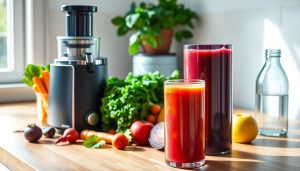
Sourcing produce locally is a fundamental aspect of sustainable juicing practices. By purchasing ingredients from local farmers or growers, you not only reduce the carbon emissions associated with transportation but also support your community’s economy. Local sourcing creates a direct connection between consumers and producers, fostering trust and transparency within the food system.
Farmers’ markets are fantastic venues for discovering local produce and establishing relationships with growers. Engaging with local farmers allows you to learn about their cultivation practices, ensuring that you support those who prioritize sustainability. Additionally, the freshness of locally sourced produce often translates into superior flavor and nutritional value, enhancing the quality of your juices.
Moreover, local sourcing frequently results in a greater variety of seasonal produce, encouraging creativity in your juicing endeavors. By utilizing ingredients that are unique to your area or climate, you can explore new flavors and combinations that reflect your region’s agricultural landscape. This culinary exploration benefits not only your health but also deepens your appreciation for local ecology.
In addition to individual advantages, supporting local farmers can create a ripple effect within the community. The more consumers prioritize local sourcing, the more sustainable practices are reinforced, establishing a resilient food system capable of withstanding economic and environmental challenges.
Investing in Eco-Friendly Juicing Equipment
Selecting eco-friendly juicing equipment is vital for amplifying the impact of how to juice for eco-living. The tools you choose can either contribute to sustainability or detract from it. Here are some essential considerations to keep in mind when selecting your juicing equipment.
Choosing Manual Juicers for Energy Efficiency
Manual juicers represent an excellent option for those aiming to minimize their energy consumption during juicing. These devices require no electricity, allowing users to enjoy their favorite juices without contributing to energy waste. Simple in design, manual juicers promote a hands-on approach to juicing, encouraging users to engage more intimately with the produce they are utilizing.
Additionally, manual juicers are generally more cost-effective and have a lower environmental footprint compared to electric models. They are often constructed from durable materials that can withstand frequent use, ensuring longevity. The simplicity of manual juicers also facilitates easier cleaning, reducing water consumption—a crucial aspect of eco-friendly practices.
Using a manual juicer can also provide a sense of achievement and satisfaction. The act of physically juicing fruits and vegetables can deepen your connection to the nourishment process, reminding you of the significance of mindful consumption. By adopting manual juicing, you not only reduce energy usage but also enhance your appreciation for the natural ingredients at your disposal.
Investing in Energy-Efficient Electric Models
For those who prefer electric juicers, selecting energy-efficient models is essential for minimizing your environmental impact. Many modern juicers are designed with energy-saving features, allowing you to enjoy the convenience of electric juicing without the guilt of high energy consumption. Look for models with high energy efficiency ratings, which can help you save on electricity bills while simultaneously reducing your carbon footprint.
Using energy-efficient juicers often results in quieter operation, enhancing your juicing experience. Reduced noise pollution is particularly valuable in urban settings where sound levels can disrupt daily life. Moreover, these models typically have features that enable faster juicing, minimizing the time your machine operates and, in turn, lowering energy consumption.
Investing in energy-efficient equipment aligns with a broader commitment to sustainable living. Choosing appliances that prioritize efficiency not only benefits your household but also sends a strong message about the importance of environmental stewardship. By making smarter choices in your juicing equipment, you contribute to a more sustainable lifestyle while enjoying the benefits of fresh juice.
Ensuring Durability and Simple Maintenance
When choosing juicing equipment, durability and ease of maintenance are critical factors to consider for sustainable living. Durable juicers represent an investment that pays off in the long run, as they reduce the need for frequent replacements, thereby minimizing waste. Many high-quality juicers are designed using robust materials that can withstand heavy use, ensuring they remain functional for years.
In addition to durability, easy maintenance enhances eco-friendly juicing practices. Seek out juicers designed for straightforward cleaning, as complicated mechanisms can lead to frustration and discourage regular use. A juicer that disassembles and cleans easily will motivate you to juice more frequently, maximizing the benefits of fresh produce.
Moreover, some juicers are constructed from recyclable materials, further enhancing their eco-friendliness. When it becomes necessary to replace or dispose of your juicer, opting for a model that can be recycled ensures it won’t end up in a landfill. This approach aligns with the principles of a circular economy, where products are reused, recycled, and repurposed to minimize waste.
Ultimately, investing in durable, easy-to-maintain juicers reinforces your commitment to sustainable living. These choices allow you to enjoy the benefits of juicing while minimizing your environmental impact and supporting a more sustainable food system.
Prioritizing Recyclable Materials in Juicing Equipment
The materials used in juicers can significantly affect their environmental impact. Choosing juicers made from recyclable materials is a crucial aspect of how to juice for eco-living. Many manufacturers are now prioritizing sustainability by creating products from materials like stainless steel or BPA-free plastics, which are not only durable but also recyclable.
When purchasing a juicer, consider its end-of-life options. Juicers composed of recyclable materials can be repurposed at the end of their lifespan, thereby reducing landfill waste. Being mindful of the lifecycle of your equipment enhances your commitment to sustainability and ensures that your choices align with eco-conscious living.
Additionally, opting for brands that prioritize environmental responsibility in their manufacturing processes can amplify your impact. Many companies are increasingly adopting sustainable practices, from ethically sourcing raw materials to reducing waste in production. Supporting these brands fosters a market that values sustainability and encourages further innovation and development of eco-friendly juicing equipment.
By prioritizing recyclable materials, you contribute to a more sustainable future while enjoying the benefits of fresh juices. Every conscious choice accumulates, resulting in a substantial positive impact on the environment.
Incorporating Water Conservation Features in Juicing
Water conservation is a critical consideration in sustainable juicing practices. Selecting juicers equipped with water-saving features minimizes water usage during both operation and cleanup. Many modern juicers are designed to maximize efficiency, requiring minimal water for rinsing and cleaning, thus promoting responsible water use.
In addition to choosing water-efficient juicers, adopting mindful habits during the juicing process can further enhance your commitment to conservation. For instance, using a bowl to collect leftover pulp while juicing can facilitate easier cleanup and reduce the amount of water needed for rinsing. Furthermore, reusing water from rinsing fruits and vegetables for watering plants or gardens promotes a circular approach to water use.
Reinforcing water conservation as part of your juicing routine not only contributes to sustainability but also raises awareness about the importance of protecting this vital resource. It encourages a deeper understanding of the environmental challenges related to water scarcity, inspiring more conscious choices in daily life.
Ultimately, by selecting juicers with water conservation features and incorporating mindful practices, you can enjoy the health benefits of fresh juices while actively participating in the preservation of this precious resource.
Implementing Effective Waste Reduction Techniques
Success in juicing for eco-friendly living extends beyond the juice itself; it encompasses the effective management of waste generated during the juicing process. Implementing practical waste reduction techniques can enhance your eco-friendly practices while maximizing the benefits of juicing.
Composting Leftover Pulp for Sustainability
One of the most effective waste reduction strategies is composting the pulp leftover from juicing. Juicing often produces a significant amount of fruit and vegetable pulp, which, instead of being thrown away, can be transformed into nutrient-rich compost. This compost can be utilized in gardens, providing essential nutrients to the soil and contributing to a circular economy.
Composting not only reduces landfill waste but also enriches your garden, creating a sustainable cycle of growth and nourishment. Many plants thrive on compost, which is rich in organic matter and essential nutrients. By integrating composting into your juicing routine, you effectively close the loop, ensuring that waste becomes a resource rather than a burden.
Additionally, composting helps mitigate greenhouse gas emissions associated with organic waste in landfills. Decomposing organic matter in landfills releases methane, a potent greenhouse gas, while composting helps alleviate this issue. By composting your juicing pulp, you actively participate in solutions that combat climate change and promote a healthier environment.
Incorporating composting into your juicing routine empowers you to take control of your waste and convert it into a valuable resource for your community.
Innovative Ways to Reuse Juicing Pulp
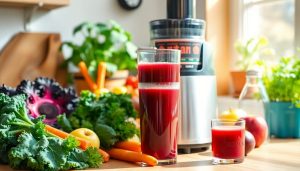
In addition to composting, discovering creative methods to reuse juicing pulp can significantly reduce waste. Many individuals are surprised by the versatility of pulp; it can be incorporated into various recipes to enhance both flavor and nutrition. For example, pulp can be added to muffins, pancakes, or smoothies, providing an additional source of fiber and nutrients while minimizing waste.
Using pulp in soups and sauces is another excellent way to repurpose leftover materials. The added texture and nutrients from juicing pulp can enrich your meals, allowing for inventive culinary creations. Moreover, exploring different ways to utilize pulp encourages a more mindful approach to cooking, where nothing goes to waste.
Several cookbooks and online resources offer creative recipes specifically designed for using juicing pulp. By experimenting with these ideas, you not only minimize waste but also expand your culinary skills and enhance your overall diet with added fiber and nutrients.
Ultimately, reusing juicing pulp in creative and delicious ways embodies the principles of sustainability and resourcefulness. The more we can repurpose our food waste, the less we contribute to environmental degradation, embracing a lifestyle that respects our resources.
Ensuring Proper Disposal of Non-Reusable Waste
For any leftover waste that cannot be composted or reused, proper disposal is essential. Understanding the appropriate methods for disposing of organic waste ensures that you minimize environmental harm. Many communities offer organic waste recycling programs, facilitating the safe disposal of food scraps and waste.
When disposing of waste, consider municipal composting options or similar programs that convert organic material into compost for public use. Engaging in these initiatives not only reduces your household waste but also contributes to a larger effort in environmental sustainability.
Additionally, educating yourself on recycling practices in your area can enhance your waste management efforts. Many cities have specific guidelines for disposing of organic materials, plastics, and other recyclables. Following these guidelines can significantly diminish your environmental footprint and promote a cleaner, greener community.
Conscious disposal methods complement your overall commitment to sustainability. By ensuring that your waste is managed responsibly, you contribute to a healthier environment while embodying the principles of eco-living.
Adopting Sustainable Juicing Practices for Maximum Impact
Embracing sustainable juicing practices elevates your commitment to eco-living and enhances the positive impact of how to juice for eco-living. By incorporating mindful habits into your juicing routine, you can create a more responsible and eco-friendly experience.
Implementing Water Conservation Strategies
Water conservation is paramount in any sustainable practice, including juicing. Aim to minimize water usage both during the juicing process and while cleaning up afterward. For instance, consider washing your fruits and vegetables in a basin instead of allowing water to run from the tap. This method not only conserves water but also enables you to reuse the water for watering plants or gardens.
Additionally, when cleaning your juicer, consider ways to reduce water waste. Instead of rinsing each component under running water, soak them in a basin for easier cleaning, allowing you to use less water overall. By integrating these simple practices into your routine, you contribute to responsible water use and promote a conservation mindset.
Building awareness around water scarcity is a crucial aspect of eco-living. By prioritizing water conservation, you deepen your understanding of the challenges surrounding global water resources, inspiring others in your community to adopt similar practices.
Energy-Saving Tips for Juicing
Energy efficiency is another vital consideration in sustainable juicing practices. To minimize your energy consumption, be mindful of how you operate your juicer. Turn off the juicer when it’s not in use and unplug it to prevent phantom energy drain. This simple practice can lead to significant savings over time while reducing your carbon footprint.
Additionally, consider batch juicing as an energy-saving strategy. By juicing larger quantities at once, you minimize the frequency of machine use, thus reducing energy consumption. Preparing jars of fresh juice can make it easier to incorporate healthy options into your daily routine while optimizing energy efficiency.
Selecting appliances that boast energy-efficient designs can also enhance your sustainability efforts. Look for juicers with energy ratings or certifications that indicate they consume less power. By investing in energy-efficient machines, you are not just enhancing your juicing experience; you are also contributing to a broader movement toward energy-conscious living.
Maximize Efficiency with Batch Juicing
Batch juicing is a strategic practice that maximizes both efficiency and sustainability. By preparing multiple servings at once, you reduce the energy required by your juicer and minimize the frequency of cleaning, saving both time and resources. This approach is especially beneficial for busy individuals striving to maintain a healthy lifestyle without sacrificing convenience.
Moreover, batch juicing allows you to experiment with various flavor combinations and ingredients simultaneously. By preparing larger quantities, you can create a variety of flavors, ensuring you have refreshing options available throughout the week. Store juices in glass containers to maintain freshness and taste while promoting eco-friendly choices over single-use plastic bottles.
The advantages of batch juicing extend beyond individual convenience; they also contribute to a healthier lifestyle and reduced food waste. By planning and preparing your juices in advance, you decrease the likelihood of letting ingredients go to waste, thus reinforcing principles of sustainability and responsible consumption.
As you integrate these sustainable juicing practices into your routine, you strengthen your commitment to eco-living and inspire others to adopt similar habits. Every deliberate choice contributes to a healthier planet and a more sustainable lifestyle.
Fostering Community and Education Around Juicing
Nurturing community engagement and education surrounding juicing is vital for promoting a culture of sustainability. By sharing knowledge and resources, you can inspire others to embrace healthy practices and contribute to the collective effort of eco-living.
Sharing Knowledge to Inspire Change
Educating others about the benefits of eco-friendly juicing can create a ripple effect, encouraging more individuals to adopt sustainable practices. Hosting workshops or informational sessions can provide valuable insights into juicing techniques, nutritional benefits, and the environmental impact of reducing food waste.
Online platforms offer an excellent opportunity for sharing knowledge and resources with a broader audience. Creating blogs, videos, or social media groups centered on sustainable juicing can connect like-minded individuals and foster a sense of community. These interactions not only empower individuals to make informed choices but can lead to collective actions that promote sustainability on a larger scale.
Furthermore, engaging in discussions with friends, family, or co-workers about the benefits of juicing can spark conversations surrounding food systems and environmental impacts. By sharing your experiences and insights, you can inspire others to consider their consumption habits and take actionable steps toward sustainable living.
Ultimately, the act of sharing knowledge cultivates a culture of sustainability, encouraging a collective commitment to eco-friendly practices that benefit both individual health and the environment.
Organizing Community Juicing Events for Learning and Connection
Organizing community juicing events can serve as a powerful platform for sharing knowledge and fostering connections. These events can range from local farmers’ market demonstrations to larger gatherings focused on sustainable practices. By bringing together people around the shared experience of juicing, you create opportunities for education, collaboration, and enjoyment.
Community juicing events can feature live demonstrations, tastings, and discussions on various topics such as seasonal produce, organic farming, and nutrition. Inviting local farmers and experts to participate enriches the event’s educational value while supporting community engagement. These gatherings can help dismantle barriers to accessing information about sustainable practices, making it more approachable and enjoyable.
Moreover, hosting events encourages participants to share their own experiences and recipes, creating a valuable exchange of ideas. By fostering a collaborative and inclusive environment, you can inspire others to embrace juicing and sustainable living as integral parts of their daily routines.
The impact of community events extends beyond individual participants; they promote a collective movement toward eco-living that can reshape local food systems and environmental practices.
Implementing Juicing Programs in Schools for Lasting Impact
Introducing juicing programs in schools can have a transformative impact on the next generation. By teaching children about nutrition and sustainability, schools can cultivate lifelong habits that support healthier lifestyles and environmental responsibility. Integrating hands-on juicing experiences into school curricula can make learning fun and engaging while emphasizing the importance of fresh produce.
Juicing programs can involve field trips to local farms, where students can learn about sustainable farming practices and the journey of food from farm to table. Collaborating with local farmers to provide fresh ingredients for juicing projects strengthens connections to the community and promotes an understanding of local food systems.
In addition to focusing on nutrition, juicing programs can emphasize waste reduction techniques, such as composting and reusing pulp. By instilling these practices early on, schools can nurture a sense of environmental stewardship in students, encouraging them to become active participants in fostering a sustainable future.
As students embrace the benefits of juicing, they are likely to influence their families and friends, spreading knowledge about healthy habits and eco-living. Schools play a pivotal role in shaping attitudes and behaviors, making them an essential part of the movement toward sustainable practices.

Monitoring and Improving Your Sustainable Juicing Practices
Continuous monitoring and improvement are vital for enhancing your commitment to how to juice for eco-living. By actively assessing your practices and seeking opportunities for growth, you can ensure that your sustainable juicing routine remains effective and impactful.
Tracking Waste to Identify Improvement Opportunities
Monitoring the waste generated from your juicing practices is a crucial step in identifying areas for improvement. Keeping a record of the types and amounts of waste produced can provide insights into how effectively you are utilizing your ingredients. By analyzing this data, you can pinpoint opportunities to reduce waste, such as adjusting your juicing recipes or exploring new ways to incorporate leftover pulp.
Utilizing apps or journaling tools to track your waste can help you visualize your impact over time. This process not only fosters mindful consumption but also motivates you to seek innovative solutions for waste reduction. As you become more aware of your waste patterns, you can cultivate a more sustainable approach to juicing that aligns with your commitment to eco-living.
Moreover, sharing your tracking experiences with others can inspire a community-wide effort to reduce waste. By fostering a sense of accountability, you can encourage friends and family to assess their practices, leading to collective improvements in sustainability.
Feedback and Adaptation for Enhanced Practices
Feedback is essential for refining your juicing practices and ensuring they align with your sustainability goals. Engaging in discussions with fellow juicers or participating in community events can provide valuable insights and fresh perspectives on your approach. This exchange of ideas can encourage adaptation and flexibility in your routine, allowing you to stay responsive to changing circumstances and evolving knowledge.
Consider setting aside time for reflection after your juicing sessions. Assess what worked well and what could be improved, whether it’s experimenting with new flavors or incorporating more seasonal produce. This reflective practice fosters a culture of continuous improvement, ensuring that your juicing routine remains dynamic and effective.
Additionally, staying informed about new sustainable juicing methods and technologies can inspire innovative approaches. Researching the latest trends, attending workshops, and engaging in online communities can keep your practices current and engaging.
By embracing feedback and actively seeking opportunities for adaptation, you can enhance your commitment to eco-living and inspire those around you to do the same.
Continuously Learning About Sustainable Juicing
The journey toward sustainable juicing is an ongoing process of learning and improvement. Staying informed about new techniques, resources, and technologies related to juicing and sustainability can significantly impact your practices. Subscribing to newsletters, following relevant blogs, and engaging with social media communities centered around sustainable living can provide constant inspiration and insights.
Participating in workshops or local classes focused on sustainable cooking and juicing can also elevate your knowledge base. These experiences foster a sense of community while expanding your skill set, allowing you to embrace new ideas and innovations.
Moreover, consider exploring scientific research related to nutrition and sustainability. By understanding the underlying principles of sustainable food systems and the benefits of consuming fresh produce, you can make informed choices that align with your values.
Ultimately, the commitment to continuous learning enhances both your juicing practices and your impact on the environment. By remaining open to new ideas and actively seeking knowledge, you contribute to a culture of sustainability that benefits both personal health and the planet.
Frequently Asked Questions about Juicing for Eco-Living
What health advantages can I gain from juicing?
Juicing can provide a multitude of health benefits, including increased nutrient intake, improved digestion, and enhanced energy levels. It facilitates the easy consumption of a variety of fruits and vegetables, aiding in meeting daily dietary recommendations.
What strategies can I use to minimize waste while juicing?
Utilize leftover pulp by adding it to recipes like muffins and soups, composting it, or participating in community composting initiatives. Proper disposal of any remaining waste is also crucial for sustainability.
Should I prioritize buying organic produce for my juices?
Choosing organic produce can be advantageous due to lower pesticide residues and potentially higher nutrient levels. However, prioritizing seasonal and local produce can also minimize your overall environmental impact.
Which equipment is best for eco-friendly juicing?
Consider using manual juicers or energy-efficient electric juicers. Look for equipment made from recyclable materials and prioritize durability to reduce waste and enhance sustainability.
How can I determine which fruits and vegetables are in season?
Seasonal produce varies by region. Local farmers’ markets, community-supported agriculture (CSA) programs, and online resources can help you identify seasonal options in your area.
Can juicing assist with weight management?
Juicing can be a valuable addition to a balanced diet, offering nutrient density while potentially helping to control calorie intake. However, it should complement a varied diet for sustainable weight management.
What are some simple recipes for using juicing pulp?
Juicing pulp can be repurposed in various recipes, including muffins, pancakes, soups, and smoothies. Many online resources provide creative ideas for incorporating pulp into meals.
How can I involve my children in juicing?
Introduce juicing as a fun family activity. Allow children to select ingredients, participate in the juicing process, and explore their own flavor combinations to foster excitement about healthy eating.
What community initiatives support sustainable juicing?
Participate in local farmers’ markets, community gardens, or organized juicing events. These initiatives foster connections, share knowledge, and promote sustainable practices within your community.
How can I keep track of my juicing waste?
Create a log to monitor the types and amounts of waste generated from your juicing practices. Use a journal or digital tools to visualize your impact and identify areas for improvement.


It’s fascinating to see how juicing is framed not only as a health practice but also as a lifestyle choice that supports sustainability. I’ve personally experienced the benefits of incorporating fresh juices into my daily routine—it’s like giving my body a burst of energy and nutrients.
It’s great to hear about your experience with juicing! The way it energizes you really captures a core aspect of why many people are drawn to it. Fresh juices can feel like a reset button, packed with vitamins and minerals that our bodies often crave.
I completely relate to that feeling of a reset when it comes to juicing. There’s something refreshing about sipping on a glass of vibrant juice, knowing it’s packed with goodness. I’ve noticed that when I incorporate fresh juices into my routine, my energy levels do improve, especially during busy weeks when I might not be getting enough raw fruits and veggies.
It’s great to hear how fresh juices have energized your daily routine. Juicing certainly offers a burst of nutrients, but it also raises interesting questions about how we approach our health and sustainability. On one hand, the emphasis on juicing can promote awareness of fresh produce and the benefits of consuming more fruits and vegetables. On the other, there’s a downside worth considering: the juice craze can lead to a sort of “cleanse culture” where people may overlook the value of whole foods.
You bring up some thoughtful points that really highlight the complexity of juicing in our health journey. It’s true that juicing can be a great way to dive into the world of fruits and veggies, making it easier to pack in those nutrients. I’ve noticed that once people start experimenting with juices, they often become more curious about fresh produce overall.
I can relate to what you’re saying about juicing being both a health practice and a lifestyle choice. It’s interesting how something as simple as fresh juice can serve as a daily ritual that connects us to our bodies and the environment. The energy boost is definitely noticeable, and it’s almost like a reset button for the day.
You nailed it—a burst of energy that feels like a mini party in your cells! Juicing definitely has that vibe where you’re not just sipping on something healthy but also giving a high-five to the environment. It’s like strutting down the street with your organic kale and saying, “Look, I’m fun and eco-friendly!”
You’ve highlighted a really interesting point about juicing—it’s almost an experience in itself, right? The excitement of feeling like you’re contributing to your health while also doing something good for the planet does have that celebratory vibe. But I wonder if this perspective sometimes overshadows the bigger picture of nutrition.
It’s interesting how you highlight both health and sustainability in juicing. While fresh juices do pack a punch in terms of nutrients, it’s worth considering the environmental impact of our choices in sourcing and consuming produce. Often, the journey from farm to bottle involves significant resources—think water, energy, and transportation emissions. Have you looked into where your fruits and veggies come from? Focusing on local, seasonal options can enhance the sustainability aspect of your juicing routine. Also, the benefits of juicing might vary from person to person; some thrive on it, while others might miss out on fiber found in whole fruits and vegetables. Balancing those factors can enrich the conversation around juicing as a lifestyle choice.
I really resonate with your insights on juicing as a pathway to both personal well-being and sustainable living. I recently started incorporating more fresh juices into my diet, and it’s remarkable how much more vibrant I feel! I’ve noticed that sourcing local produce for my juices not only enriches the flavors but also connects me with local farmers and fosters a stronger sense of community.
I’m glad to hear you’re feeling more vibrant since adding fresh juices to your routine. It’s amazing how something as simple as juicing can really boost your energy and mood. Sourcing local produce really does make a difference, not just in flavor but in creating those connections with local farmers—it’s like you’re part of something bigger.
It’s great to hear how juicing has become a vibrant part of your life! The connection with local farmers is such a rewarding aspect of this journey. Not only does it enhance the flavors of your juices, but it creates a sense of trust and community that often gets lost in the hustle of modern life.
It really is rewarding, isn’t it? The connection with local farmers not only enhances the flavors but also brings a personal touch to what we consume. It’s fascinating how something as simple as juicing can create such a profound sense of community. I’ve found that when I go to the farmer’s market, I’m not just buying produce; I’m connecting with stories, traditions, and practices that have been passed down through generations.
It’s great to hear that you’re experiencing such a vibrant boost from incorporating fresh juices into your diet. There’s something truly transformative about making that shift toward more whole, plant-based nutrients. I think you raise an interesting point about sourcing local produce. It not only enhances the flavors, as you mentioned, but also creates a valuable connection with your community and supports local agriculture.
I really appreciate how you’ve framed juicing not just as a health trend, but as a holistic approach to eco-friendly living. It’s interesting how incorporating juicing into our daily routines can lead to a deeper awareness of our food sources and sustainability.
You hit the nail on the head with that observation about juicing! It’s like a green, liquid wake-up call to where our food comes from. When you start juicing, it’s not just about sipping a kale concoction while pretending to be on some trendy detox; it becomes this eye-opening journey through the produce aisle.
I completely resonate with your perspective on juicing as a holistic approach rather than just a health trend. It’s fascinating how something as simple as juicing can encourage us to become more mindful about where our food comes from and the impact our choices have on the environment.
This perspective on juicing as a vehicle for eco-friendly living is refreshing and thought-provoking. I’ve personally experienced the impact of juicing not only on my health but also on my environmental awareness. Over the past year, I’ve made a conscious effort to incorporate seasonal and locally sourced produce into my juices. This shift has not only enhanced the freshness and flavor of my drinks but has also deepened my connection to the local community and the agricultural practices that sustain it.
Your experience with juicing is like a refreshing kale smoothie on a hot day — totally invigorating and a little unexpected. It’s fascinating how mixing the right ingredients doesn’t just yield a tasty beverage but can also stir up a deeper appreciation for our local landscapes and the hardworking folks behind the produce. The world of juicing, it seems, is just as much about connection as it is about consumption.
Your exploration of juicing and its potential impact on eco-friendly living really resonates with me. I’ve recently started incorporating more fresh juices into my diet, and I’ve noticed not just the nutritional benefits but also how it encourages me to be more mindful about my food choices. It’s fascinating to think about how something so simple can promote healthier living while simultaneously fostering a deeper connection with the environment.
It’s really cool to hear that you’re feeling those benefits from fresh juices. It’s like a little ritual, right? I love how juicing can shift your mindset about food. When you start thinking about where your fruits and veggies come from and how to use them wisely, it can really change the whole dining experience. Plus, making your own juice reduces packaging waste, which is such a simple way to contribute to a greener planet. Have you tried experimenting with different combinations? It’s fun to play with flavors and see what works. That connection to the environment really opens up a whole new level of appreciation for what we eat.
It’s great to hear that you’re diving into juicing! It really does transform how we think about food, doesn’t it? Focusing on fresh juices can turn a simple habit into a way of being more aware of our choices, from the ingredients we use to the impact they have on the planet.
The intersection of juicing and sustainable living resonates deeply with me, particularly in how it emphasizes a holistic approach to health and environmental stewardship. I’ve personally experienced the benefits of incorporating fresh juices into my daily routine; not only do I feel more energetic and nourished, but I also find that it encourages greater mindfulness about food choices and waste reduction.
It’s encouraging to hear how deeply you connect with the intersection of juicing and sustainable living. The energy and nourishment you’ve found in fresh juices can certainly reflect a broader shift towards being more mindful about what we consume. Your point about mindfulness is especially relevant; it’s fascinating how something as simple as juicing can lead to a more thoughtful approach to food and waste.
I completely agree with you on how juicing can open the door to a much larger conversation about our relationship with food. The energy and nourishment I get from those fresh juices really change the way I think about what goes into my body. It’s interesting how this process can encourage mindfulness—not just in what we eat, but in how we engage with the world around us.
It’s great to hear your thoughts on the intersection of juicing and sustainable living. The holistic approach you mention really taps into a larger movement where people are becoming more aware of how interconnected our health and the health of our planet are. When we choose to incorporate fresh juices into our routines, it’s not just a matter of physical nourishment; it’s also about fostering a relationship with our food that encourages us to consider where it comes from and how it’s grown.
Your perspective really highlights something vital that often gets overlooked: the deep connection between our health choices and the broader impact on our environment. When we choose to incorporate fresh juices into our routines, it shapes how we view and relate to the food system as a whole. It’s fascinating to think about how each sip can be a reminder of not just what we consume, but how our consumption affects the planet.
This is an enlightening exploration of juicing’s role in promoting both personal health and environmental sustainability. Your articulation of juicing as a means to enhance our connection with nature resonates with my own experiences; I’ve found that regularly incorporating fresh juices into my diet has not only improved my energy levels but also made me more conscious of where my food comes from.
I appreciate you sharing your experiences with juicing—it’s a sort of love language in liquid form, isn’t it? When you start to juice, you realize that each bottle or glass is like a mini adventure, channeling Mother Nature right into your kitchen. And let’s be honest, there’s something slightly magical about transforming a pile of fruits and veggies into a vibrant elixir. It’s not just food; it’s like you’re crafting your very own potion for vitality.
Your exploration of juicing as a pathway to eco-friendly living really resonates with me. I started juicing a couple of years ago, not just for the health benefits, but also because I wanted to find sustainable practices that fit into my lifestyle. I’ve found that incorporating fresh juices into my daily routine not only boosts my nutrient intake but also makes me more mindful of where my food comes from.
Juicing indeed holds a unique position in the dialogue about sustainable living, as you’ve articulated. However, while it’s tempting to view juicing as a panacea for both personal health and environmental impact, I think it’s crucial to unpack this multifaceted topic further.
You’re right to point out that juicing isn’t a one-size-fits-all solution. It’s fascinating to think about how personal health and environmental sustainability intersect, but I agree that we should explore the complexities.
Juicing truly does open up a world of possibilities, not just for our health but for how we engage with the environment around us. I’ve noticed that incorporating fresh juices into my daily routine not only boosts my energy levels but also inspires me to choose organic and local produce more often. This shift makes me feel more connected to the food I consume and the farmers who grow it.
It’s great to hear how juicing has transformed your perspective on health and food! It’s fascinating how these vibrant blends can create a deeper connection with our environment. Choosing organic and local produce not only enhances the flavors but also supports sustainable farming practices. Have you noticed how certain seasonal ingredients can really change your juices? It’s a wonderful way to celebrate what’s fresh and in abundance, and it connects you to the growing cycles of your area. Plus, it’s exciting to discover new combinations and benefits from various fruits and vegetables. What’s been your favorite juice so far?
It’s great to hear how juicing has impacted your daily life! The connection between what we consume and where it comes from really deepens our appreciation for food. When we choose organic and local produce, it’s like we’re supporting our communities and sustainable practices at the same time. Plus, fresh juices can be such a vibrant way to explore seasonal flavors. Have you found any favorite combinations that really energize you? It’s always interesting to hear what others are mixing up in their juicing adventures.
It’s interesting how incorporating fresh juices can spark such a deeper connection to our food and the environment. I’ve found that making juices at home encourages me to explore different flavors and ingredients I might not have considered before. It’s almost like rediscovering the produce section of the grocery store, where the colors and aromas come alive in a new way.
I totally resonate with the idea of juicing as a way to not only enhance our health but also support sustainable living. Last summer, I started making my own veggie juices, and it’s been a game changer. It’s surprising how a simple green juice can pack in so many nutrients that I’d struggle to eat in a salad. Plus, I love how juicing encourages me to be more mindful about sourcing my produce — I’ve been frequenting local farmers’ markets, which feels great for both my pantry and the community.
I find the connection between juicing and sustainable living truly inspiring. Since I started juicing regularly, I’ve noticed not only an improvement in my health but also a shift in my purchasing habits. For example, I’ve begun sourcing my fruits and veggies from local farmers markets, which feels like a small but meaningful step toward a more eco-friendly lifestyle.
Juicing really is like a magic trick for your health—pulling vibrant nutrients out of ordinary produce faster than you can say “green smoothie!” I’ve noticed that once I started juicing, my fridge looked like a mini natural disaster zone, but with every colorful jar I made, I felt more in tune with Mother Nature (and more like a smoothie wizard).
Juicing indeed opens up a fascinating dialogue about both personal health and our environmental impact. I appreciate how you’ve highlighted the connection between nutritional benefits and eco-friendly living. In my own experience, incorporating fresh juices into my daily routine has not only boosted my energy levels but also encouraged me to support local farmers by sourcing organic produce. This has deepened my understanding of seasonal eating, which is crucial for reducing our carbon footprint.
It’s great to hear how incorporating fresh juices has positively impacted your energy levels and your approach to supporting local farmers. It’s amazing how such a simple habit can ripple out to influence our choices and awareness around food production.
This post highlights an increasingly relevant aspect of sustainable living that often gets overshadowed by more conventional eco-friendly practices. Juicing, as you’ve pointed out, not only boosts our personal health through a concentrated intake of nutrients but also cultivates a deeper connection to the food we consume.
Your exploration of the transformative power of juicing for eco-friendly living raises some important points worth discussing in more depth. While I appreciate the emphasis on nutrition and sustainable practices, I find myself pondering the larger implications of juicing not just as a dietary choice, but as part of a broader lifestyle transformation.
You bring up a thought-provoking point about the larger implications of juicing as a lifestyle transformation. It’s interesting to consider how something as seemingly simple as juicing can intertwine with our values around health, sustainability, and even social consciousness.
I really appreciate your insights on the transformative power of juicing, especially in the context of sustainable living. It’s fascinating how seemingly simple lifestyle choices, like incorporating more juicing into our diets, can ripple out to create broader environmental impacts. I’ve recently started experimenting with my juicing routine, and it’s incredible how it has made me more conscious of the types of produce I buy and where I source them from.
I appreciate your insights on the intersection of juicing and eco-friendly living. I’ve recently dived into juicing myself and found it not only enhances my nutrition but also reinforces my commitment to supporting local farmers. Purchasing seasonal produce from nearby markets has deepened my connection with nature and reminded me of the importance of sustainable choices.
It’s intriguing to consider how juicing not only benefits our health but also aligns with eco-friendly practices. I’ve experienced firsthand how incorporating fresh juices into my routine has encouraged me to explore local farmers’ markets, which inherently supports sustainable agriculture. This connection to local produce not only enhances the nutritional value of the juices but also reduces transportation emissions associated with store-bought goods.
Juicing really has been a game-changer for me! I started a few months ago, not just for the health benefits but also to use up leftover produce before it goes bad. It’s made me more conscious about food waste, which ties into that eco-friendly living idea. Plus, combining fruits and veggies I wouldn’t usually eat has opened my eyes to so many flavors and nutrients. Have you found any unique juice combos that you love? I’m always on the lookout for new inspiration!
Your insights on the ecological aspects of juicing resonate deeply with me, especially in today’s world where personal health and environmental sustainability often intersect. Juicing not only allows us to flood our bodies with nutrients but also encourages a more mindful approach to consumption.
Your take on juicing as a pathway to eco-friendly living really struck a chord with me. I mean, nothing says “I’m saving the planet” quite like sipping on a kale-and-apple concoction while simultaneously trying to ignore the monster that is my growing compost heap. The idea that juicing can improve nutrition while fostering a deeper connection with nature is something we could all use a little more of—or at least until my blender starts judging my choices.
I really enjoyed reading this post about juicing and its role in eco-friendly living. It resonates with me because I’ve been on a journey towards healthier eating and more sustainable lifestyle choices over the past few years. When I first got into juicing, it was primarily for the health benefits. I loved how easy it was to pack a whole bunch of nutrients into one glass. But as I continued, I began to notice how it changed the way I interacted with food, and even my community.