



The Essentials of Fresh Juice
What is Fresh Juice?

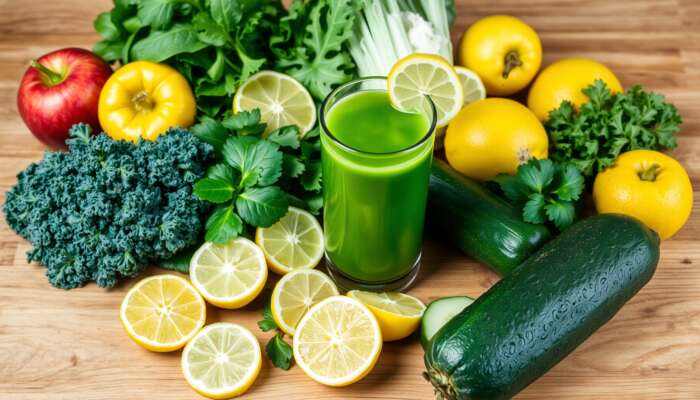
Fresh juice is a beverage made from freshly squeezed fruits and vegetables. It provides essential vitamins and minerals vital for daily health. This includes a diverse range of produce like oranges, carrots, and kale. Fresh juice promotes hydration and nutrient intake without added sugars or preservatives, making it an excellent choice for health-conscious individuals.
At JuincingPower, we specialize in juicing, health, fruits, and vegetables, helping health enthusiasts achieve optimal wellness through nutrient-rich beverages.
- Freshly squeezed ingredients
- Natural vitamins and minerals
- No added sugars or preservatives
- Hydration and nourishment
- Variety of fruits and vegetables
What Ingredients Are Commonly Used in Fresh Juice?
The key components that make fresh juice nutritious are fruits and vegetables rich in antioxidants, vitamins, and minerals. Ingredients such as blueberries, spinach, and ginger are particularly beneficial. These elements support immune function and overall wellness, especially when consumed regularly. Incorporating a variety of produce ensures a diverse range of nutrients that promote better health and vitality.
- Antioxidant-rich ingredients
- Supports immune function
- Promotes overall wellness
- Diverse nutrient intake
- Regular consumption benefits
How is Fresh Juice Prepared?
Preparing fresh juice at home is a simple and enjoyable process. Using tools like blenders or juicers helps retain maximum flavor and nutrients. Start by selecting fresh fruits and vegetables, washing them thoroughly, and cutting them into manageable pieces. Then, using a juicer or blender, process the ingredients until smooth. This method ensures you extract the maximum amount of juice while keeping the nutrients intact.
This approach to preparation enhances taste and guarantees that the health benefits remain potent.
What Tools Do You Need to Make Fresh Juice at Home?

What Equipment is Essential for Juicing?
To prepare fresh juice effectively, certain equipment is indispensable. A high-quality juicer or blender is essential for extracting juices efficiently. Additionally, strainers or cheesecloth can help achieve a smooth texture by removing pulp. Other useful tools include a cutting board, a knife for prepping, and airtight containers for storing the juice.
- High-quality juicer or blender
- Strainers or cheesecloth
- Cutting board and knife
- Airtight storage containers
- Streamlined juicing process
What Are the Steps to Blend Fresh Juice?
Making fresh juice is a straightforward process that anyone can master with a few simple steps. First, wash all fruits and vegetables thoroughly to remove any residue or pesticides. Next, chop the produce into smaller pieces to facilitate blending or juicing. If using a blender, combine the ingredients with a small amount of water to help with blending.
After blending, pour the mixture through a strainer or cheesecloth to separate the juice from the pulp. This step enhances taste and health benefits, allowing you to enjoy a vibrant, nutrient-rich beverage daily. Serve your fresh juice immediately for the best flavor and nutrient retention.
Why Does Fresh Juice Taste Better?

The superior flavor profiles of homemade fresh juice stem from using high-quality, ripe produce. Unlike store-bought alternatives that may contain preservatives or artificial flavors, fresh juice captures the vibrant essence of fruits and vegetables. This freshness leads to a more enjoyable consumption experience, as the natural sweetness and flavors of the ingredients shine through.
Additionally, making your own juice allows for customization, enabling you to create unique blends that suit your taste preferences, enhancing the overall appeal.
What Are the Best Practices for Storing Fresh Juice?
Proper storage techniques are crucial for preserving the freshness and potency of fresh juice. Using airtight containers helps prevent oxidation, which can degrade the quality over time. Store your homemade juice in the refrigerator to maintain its flavor and nutrient profile. Aim to consume the juice within 24 hours for optimal freshness.
If you need to store it longer, consider freezing it in ice cube trays for easy use in smoothies or as flavor enhancers in other drinks. These practices ensure you can enjoy the benefits of fresh juice conveniently, even on a busy schedule.
What Are the Health Benefits of Fresh Juice?
What Makes Fresh Juice Nutritious?
Fresh juice’s high nutrient density sets it apart from other beverages. It supplies a concentrated source of vitamins and minerals that boost energy levels and support multiple bodily functions. Studies show that consuming juices made from leafy greens and citrus fruits can increase vitamin C and iron intake, essential for immune function and energy production.
Real-world examples from dietary studies illustrate that individuals incorporating fresh juice into their diets often experience improved health metrics and enhanced vitality.
What Are the Health Advantages of Fresh Juice?
Fresh juice offers numerous health advantages, particularly in aiding digestion and detoxification. The natural enzymes found in many fruits and vegetables help break down food more efficiently, promoting better nutrient absorption. This unprocessed composition contributes to maintaining vitality, as the body can readily utilize the nourishing components found in fresh juice.
Regular consumption can also support liver function, assisting in detoxification and helping the body eliminate waste more effectively.
What Are the Long-Term Effects of Fresh Juice?
Incorporating fresh juice into your daily routine can lead to notable long-term effects, particularly regarding skin health. Regular intake of juices rich in vitamins A and C can improve skin elasticity and reduce signs of aging, resulting in a more radiant complexion. Establishing sustainable habits around juice consumption can foster ongoing wellness benefits, such as increased energy, improved mood, and better overall health.
What Are the Research-Backed Advantages of Fresh Juice?
What Are the Core Benefits of Fresh Juice?
Scientific studies highlight that fresh juice enhances hydration and provides essential electrolytes, vital for maintaining energy levels and overall health. Hydration is crucial for bodily functions, including temperature regulation, joint lubrication, and nutrient transport. Incorporating fresh juice into your daily diet can help achieve hydration goals while delivering vital nutrients.
Expert analysis emphasizes its role as a key component of a balanced diet, particularly for active individuals requiring higher fluid and electrolyte intake.
How Does Fresh Juice Support Wellness?
Research has identified several evidence-based ways that fresh juice contributes to immune strength and reduces inflammation. Ingredients like ginger, beetroot, and citrus fruits are known for their anti-inflammatory properties, helping combat chronic inflammation in the body. Regular use of fresh juice not only supports a healthier lifestyle but also enhances the body’s ability to ward off illness and promote recovery.
Consistent consumption creates a proactive approach to wellness that can yield significant health dividends over time.
What Are the Potential Drawbacks of Fresh Juice?
While fresh juice holds many benefits, there are limitations to relying solely on it for nutrition. Some fruits may have high sugar content, leading to excessive calorie intake if consumed in large quantities. To mitigate these potential drawbacks, balancing fresh juice with whole fruits and vegetables is essential, ensuring a diet that includes fiber and a variety of nutrients.
Monitoring portion sizes can help maintain a balanced approach to health practices, allowing for the enjoyment of fresh juice without compromising overall dietary goals.
How Does Fresh Juice Affect Mental Clarity?
Research indicates that fresh juice, abundant in flavonoids and essential vitamins, can enhance mental clarity and reduce stress levels. Ingredients like blueberries and spinach have been shown to improve cognitive function due to their rich nutrient content. To include fresh juice in your routines for cognitive enhancement, consider starting your day with a nutritious juice blend or incorporating it into midday snacks.
This approach supports mental acuity and contributes to a healthier lifestyle overall.
How Can You Enjoy Fresh Juice Daily?
Is Fresh Juice Good for Digestion?
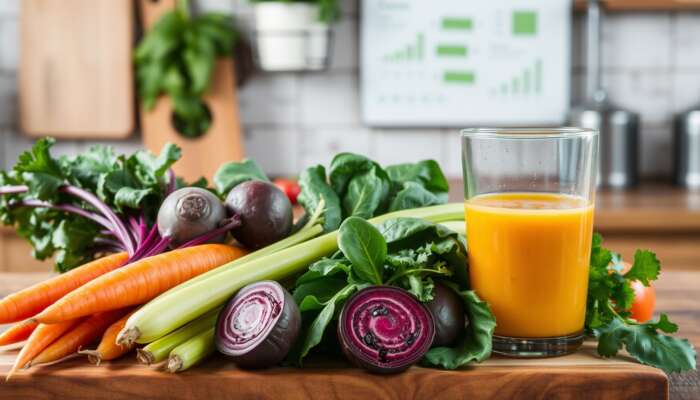
Yes, fresh juice can significantly improve gut health by delivering essential fiber and enzymes that aid in breaking down food. This leads to better absorption of nutrients and can help reduce bloating, making it beneficial for digestive health. Incorporating juices made from ingredients like carrots, apples, and ginger can provide added digestive support.
What is the Nutritional Value of Fresh Juice?
Fresh juice is packed with vitamins and minerals that strengthen bones and boost metabolism, making it a crucial element in a nutritious diet. Juices containing calcium-rich ingredients like kale or collard greens are excellent for bone health, while those with high vitamin C content support metabolic function. Understanding the nutritional value of fresh juice can aid in making informed dietary choices that enhance overall wellness.
What Are Some Ways to Incorporate Fresh Juice into Your Daily Routine?
Incorporating fresh juice into daily meals can be straightforward and enjoyable. Consider adding a glass of fresh juice to breakfast alongside whole grains or using it as a refreshing mid-afternoon snack. Juices can also be integrated into smoothies, salad dressings, or marinades for added flavor and nutrition.
By making fresh juice a staple in your diet, you can reap the health benefits while enjoying its delicious flavors.
How Does Fresh Juice Boost Immunity?
Fresh juice contains high levels of vitamin C and antioxidants that enhance the immune system. These nutrients increase white blood cell production and help combat free radicals, crucial for fighting infections. Regular consumption of fresh juice, particularly those made with citrus fruits and leafy greens, can help strengthen the body’s defenses and promote quicker recovery from illnesses.
What Role Does Fresh Juice Play in Heart Health?
Fresh juice can significantly contribute to heart health by providing potassium and polyphenols that support cardiovascular function. These nutrients help lower blood pressure, reduce cholesterol levels, and improve blood flow, ultimately decreasing the risk of heart disease. Juices made from beets, pomegranates, and berries are particularly beneficial, offering a flavorful way to promote heart health while enjoying the delicious tastes of fresh produce.
What Are the Best Tips for Enjoying Fresh Juice?
How Should You Store Fresh Juice Properly?
Proper storage techniques are vital to preserve the freshness and potency of fresh juice. Use airtight containers to minimize exposure to air, which can lead to oxidation and nutrient loss. Store the juice in the refrigerator and consume it within 24 hours for optimal quality.
If you need to keep it longer, consider freezing portions to maintain its health-promoting qualities over time, ensuring your fresh juice is always ready when you need it.
What Are Some Creative Recipes for Fresh Juice?
Experimenting with different blends of fruits and vegetables can turn fresh juice into an exciting and customizable beverage option. Consider combining ingredients like cucumber and mint for a refreshing summer drink or carrots, ginger, and apples for a nutrient-packed boost.
The versatility of fresh juice allows for endless possibilities, making it a fun and creative way to enjoy your daily nutrient intake while delighting your taste buds.
How Can You Maximize Fresh Juice in Your Routine?
Making fresh juice a staple in your diet can offer numerous benefits, providing sustained energy and promoting overall well-being. To maximize its impact, consider integrating fresh juice into your morning routine by pairing it with breakfast or as part of a post-workout recovery regimen.
By establishing this habit, you not only gain the nutritional advantages but also cultivate a lifestyle that values health and wellness.
FAQs
What is fresh juice?
Fresh juice is a beverage made by extracting liquid from fruits and vegetables, retaining their natural vitamins, minerals, and flavors without added sugars or preservatives.
How is fresh juice different from store-bought juice?
Fresh juice is prepared using whole fruits and vegetables, whereas store-bought juice often contains preservatives, artificial flavors, and added sugars, leading to a less nutritious option.
Can fresh juice aid in weight loss?
Yes, fresh juice can support weight loss when consumed as part of a balanced diet. Its low-calorie content and high nutrient density help manage hunger without excessive calorie intake.
Is fresh juice suitable for children?
Fresh juice can be a healthy option for children when consumed in moderation. It provides essential vitamins and minerals, but it’s essential to balance it with whole fruits and vegetables for optimal nutrition.
How often should I drink fresh juice?
Drinking fresh juice daily can be beneficial, but moderation is key. Aim for one serving a day as part of a balanced diet that includes whole foods.
What fruits and vegetables work best for juicing?
Fruits and vegetables like oranges, apples, carrots, beets, kale, and spinach are excellent choices for juicing due to their high nutrient content and delicious flavors.
Can I store fresh juice for later use?
Yes, fresh juice can be stored in airtight containers in the refrigerator for up to 24 hours. For longer storage, freezing in portions is recommended to maintain quality and nutrients.
Does fresh juice have any side effects?
While fresh juice is generally safe, excessive consumption can lead to high sugar intake, especially from fruit juices. Balancing juice with whole foods is crucial for overall health.
How can I maximize the benefits of fresh juice?
To maximize benefits, use a variety of colorful fruits and vegetables, consume juice immediately after preparation, and incorporate it into a balanced diet rich in whole foods.
What is the best time to drink fresh juice?
Drinking fresh juice in the morning on an empty stomach is ideal for nutrient absorption. It can also be enjoyed as a refreshing snack throughout the day.



Ah, fresh juice! It’s like a liquid rainbow of health that makes my insides do a little happy dance. I absolutely love how you brought out the beauty of what fresh juice can do. Honestly, there’s something about downing a glass of fresh juice that feels a bit like recharging my batteries—without the pesky chargers and tangled cords that seem to multiply around my house. I mean, who needs a tech upgrade when you’ve got kale in a cup?
I really appreciate this deep dive into the world of fresh juice! It’s fascinating how something so simple can pack a powerful punch when it comes to nutrition and wellness. I’ve been on a juicing journey myself, and it’s been a game-changer for my health routine.
I completely resonate with your insights on the benefits of fresh juice! It’s amazing how blending different fruits and vegetables can create such a powerhouse of nutrients. Personally, I’ve found that adding ginger to my juice not only gives it a nice kick but also supports digestion, which is something I’ve struggled with in the past.
I love how you’ve captured the essence of fresh juice! It’s so refreshing to discuss something that feels both indulgent and healthy at the same time. I’ve recently started experimenting with juicing at home, and it’s been a game changer for my mornings. Adding ginger to almost every mix not only gives it a nice kick, but I’ve read it’s great for digestion too.
This post brings up some crucial points about the benefits of fresh juice, especially in a time when many are looking for natural health solutions. However, while it highlights the numerous advantages of fresh juice, I think it’s worth discussing the nuances behind ingredient selection. For instance, not all fruits and vegetables contribute equally to juice’s nutrient profile.
Your breakdown of fresh juice essentials highlights its nutritional benefits in a clear way, but I can’t help but wonder about the potential downsides that often get glossed over in the juicing conversation. While fresh juice can pack a powerful vitamin punch, it also generally lacks the fiber found in whole fruits and vegetables. This fiber is crucial for digestion and can help regulate blood sugar levels, which is especially pertinent for those concerned about energy spikes or diabetes.
I really appreciate your insights on fresh juice! It’s interesting how a simple beverage can pack such a powerful punch in terms of nutrition and wellness. I’ve found that incorporating a variety of ingredients not only keeps things exciting but also maximizes the health benefits. For instance, adding a bit of turmeric to my juices not only enhances the flavor but also gives me an extra boost of anti-inflammatory properties.
Your insights on fresh juice resonate deeply with me, especially in a time when so many of us are looking for natural and health-conscious options. The emphasis on freshly squeezed ingredients really highlights how important it is to nourish our bodies with unprocessed foods. I’ve personally found that incorporating fresh juice into my morning routine not only boosts my energy but also enhances my overall mood throughout the day.