


Understanding the Basics of Juicing for Cholesterol
What is juicing and its role in health?
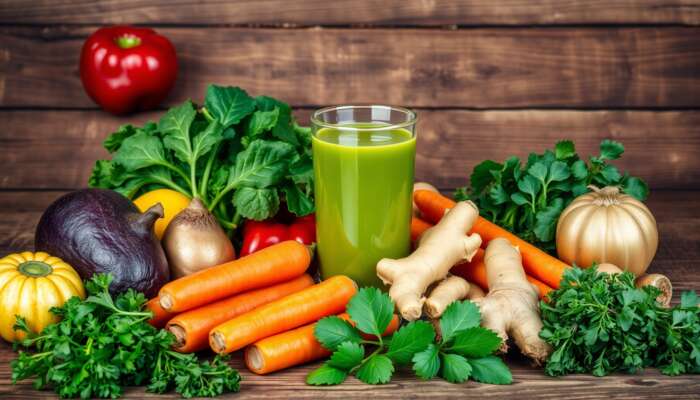
Juicing is a method of extracting liquid from fruits and vegetables, creating nutrient-rich beverages that support heart health. This practice provides a concentrated source of antioxidants and fiber, which are essential for cholesterol management. Ingredients like spinach, kale, and carrots are commonly utilized worldwide, delivering vital vitamins and minerals that contribute to overall wellness.
In various cultures, juicing has emerged as a popular health trend, with local variations reflecting regional produce. For example, carrot and ginger juice is favored in many Asian countries for its health benefits, while green smoothies are staples in health-conscious communities globally, showcasing the versatility of juicing.
- Juicing extracts nutrients from fruits and vegetables.
- It supports heart health and cholesterol management.
- Regional variations enhance the practice’s appeal.
What are the key ingredients for effective juicing?
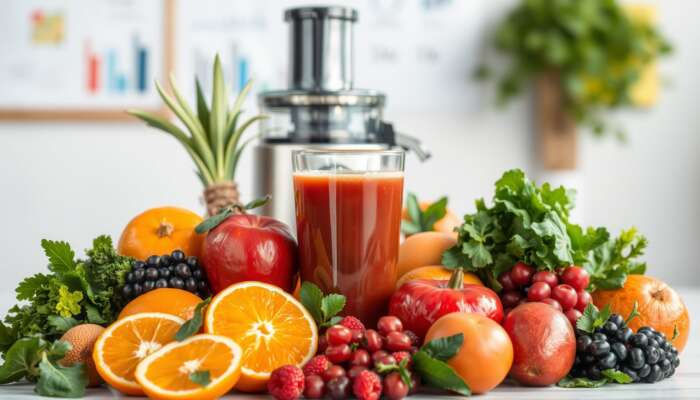
When considering juicing for cholesterol management, certain fruits and vegetables stand out due to their beneficial compounds. Leafy greens like spinach and kale are rich in nutrients that promote cardiovascular health. Similarly, fruits such as apples and citrus are high in soluble fiber and antioxidants, making them ideal for a cholesterol-friendly diet.
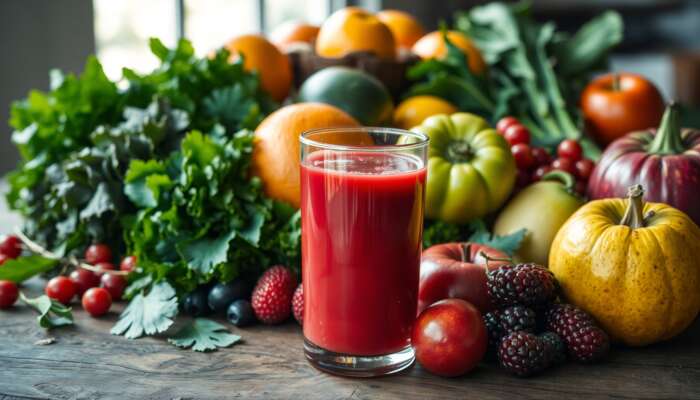
For instance, beets are celebrated globally for their ability to lower blood pressure and enhance heart health. Additionally, incorporating ingredients like berries and avocados can significantly improve the nutritional profile of juices, providing essential fats and vitamins that contribute to overall wellness.
- Leafy greens support cardiovascular health.
- Fruits like apples and citrus are high in fiber.
- Beets are effective for lowering blood pressure.
- Berries and avocados enhance nutritional value.
How do you prepare your first juice at home?
Preparing your first juice at home is simple and rewarding. Begin by selecting fresh produce, ideally organic, to maximize nutrient retention. Wash the fruits and vegetables thoroughly, then chop them into manageable pieces.
Next, use a juicer or blender to extract the juice. If using a blender, add a bit of water to assist with blending. Strain the mixture to remove pulp if preferred. This method ensures you receive all the nutrients that can support balanced cholesterol levels over time.
- Select fresh, organic produce.
- Wash and chop ingredients carefully.
- Use a juicer or blender for extraction.
- Strain if desired for a smoother texture.
How Does Juicing Help Lower Cholesterol?
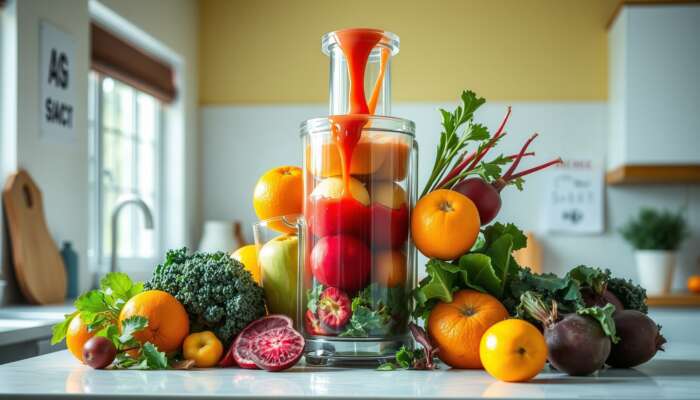
What mechanisms reduce cholesterol through juicing?
Juicing helps reduce cholesterol primarily through the delivery of essential vitamins and compounds that bind to cholesterol in the digestive system. This process promotes its excretion, thereby potentially decreasing overall cholesterol levels. For instance, juices rich in fiber, such as those made from apples and oats, can significantly aid in this mechanism.
Moreover, certain vitamins found in vegetables and fruits may improve vascular health by reducing inflammation and supporting healthy circulation. Regular consumption of these nutrient-dense juices thus plays a vital role in maintaining a healthy cholesterol balance.
- Juicing promotes cholesterol excretion.
- Fiber-rich juices enhance cholesterol management.
- Vitamins reduce inflammation and support circulation.
What are common myths about juicing and cholesterol?
One common myth is that juicing alone can replace a balanced diet for health benefits. However, it is crucial to understand that while juicing can significantly support cholesterol management, it should complement a well-rounded diet rich in whole foods. Juicing provides a concentrated dose of nutrients but lacks the fiber found in whole fruits and vegetables, which is essential for digestive health.
Another misconception is that all juices are beneficial. While many juices can support cholesterol management, it’s essential to choose those high in fiber and low in added sugars. A thoughtful approach is necessary to ensure juices serve as an effective tool in your health regimen.
- Juicing should complement a balanced diet.
- Not all juices are created equal.
- Choose juices high in fiber and low in sugar.
What are the signs of improvement from regular juicing?
There are several signs that may indicate improvement in cholesterol levels from regular juicing. Increased energy levels are a common indicator, as your body receives vital nutrients that support overall health. Similarly, better digestion and reduced feelings of sluggishness can reflect positive changes in health.
Additionally, regular juicing may also result in noticeable changes in skin health, weight management, and overall vitality. Consistency is key; by incorporating juices into your daily routine, you can better observe these health benefits over time.
- Increased energy levels.
- Improved digestion and reduced sluggishness.
- Enhanced skin health and weight management.
What are the best juices for lowering cholesterol?
Some of the best juices for lowering cholesterol include those made from fruits and vegetables high in soluble fiber and antioxidants. For instance, apple juice can bind to cholesterol in the gut, aiding its removal. Beet juice is another excellent option due to its ability to support cardiovascular health.
Other effective juices include those made with carrots, citrus fruits, and berries. These ingredients not only taste great but also provide essential nutrients that play a key role in cholesterol management. Regular consumption of these juices can help support heart health while making a delightful addition to your diet.
- Apple juice binds to cholesterol.
- Beet juice supports cardiovascular health.
- Carrots, citrus, and berries enhance nutrition.
How can you integrate juicing into a daily routine?
Incorporating juicing into your daily routine can be seamless and enjoyable. A practical approach is to start with one glass of juice per day, preferably alongside a heart-healthy diet rich in whole foods. This gradual integration allows your body to adapt and can enhance cholesterol reduction efforts.
Furthermore, experiment with different juice combinations to maintain variety and nutritional balance. Consider setting aside specific days for juicing to ensure it becomes a consistent habit. This not only keeps your routine fresh but also maximizes the potential health benefits of regular juicing.
- Start with one glass of juice daily.
- Experiment with various juice combinations.
- Set specific juicing days for consistency.
Expert Insights on Juicing for Cholesterol
What best practices are recommended by specialists?
Health experts emphasize the importance of selecting the right produce for juicing. Focus on high-fiber options such as leafy greens and fruits with low glycemic indices to optimize cholesterol-lowering benefits. For example, incorporating spinach, kale, and avocados into your juices can maximize nutrient intake.
Additionally, preparation techniques are crucial. Cold-press juicers retain more nutrients compared to traditional juicers, making them a preferred choice among health enthusiasts. Specialists also recommend consuming juices immediately after preparation to prevent nutrient degradation and ensure maximum health benefits.
- Select high-fiber produce for juicing.
- Use cold-press juicers for better nutrient retention.
- Consume juices immediately after preparation.
What are the potential risks and how can you mitigate them?
While juicing can be a beneficial addition to your diet, it’s important to monitor sugar intake. Excessive consumption of fruit juices can lead to spikes in blood sugar levels, potentially counteracting cholesterol management efforts. Balancing juices with whole foods, such as nuts, seeds, and proteins, is essential to mitigate these risks.
Furthermore, consulting with healthcare providers before making significant dietary changes is advisable. They can provide personalized guidance based on individual health needs and help tailor juicing plans to ensure safe and effective results.
- Monitor sugar intake from fruit juices.
- Balance juices with whole foods.
- Consult healthcare providers for personalized guidance.
What are the long-term strategies for sustained effects?
To maintain healthy cholesterol levels through juicing, experts recommend integrating this practice into your daily routine as a long-term strategy. Regularly tracking progress can help you stay motivated and make necessary adjustments. Consider keeping a food journal to monitor your juice consumption and its effects on your health.
- Incorporate a variety of fruits and vegetables.
- Choose organic produce when possible.
- Track your cholesterol levels regularly.
- Stay consistent with your juicing routine.
- Balance juices with whole foods for optimal health.
By committing to these strategies, you can enjoy sustained health benefits from juicing, fostering a lifestyle that supports cardiovascular wellness.
What Are the Best Juices for Cholesterol?
How do you choose juices with heart benefits?
Choosing juices with heart benefits involves selecting blends rich in omega-3 fatty acids and flavonoids, both of which target cholesterol effectively. Look for juices made from flaxseeds or chia seeds, which are excellent sources of omega-3s. Additionally, juices that incorporate berries and dark leafy greens are beneficial due to their high antioxidant content.
When selecting juices, consider the overall nutritional profile, aiming for those that combine various fruits and vegetables to provide a well-rounded health boost. This approach not only enhances flavor but also maximizes the health benefits of your juicing routine.
- Select juices rich in omega-3s and flavonoids.
- Incorporate berries and dark leafy greens.
- Focus on a well-rounded nutritional profile.
What are some beginner-friendly cholesterol juice recipes?
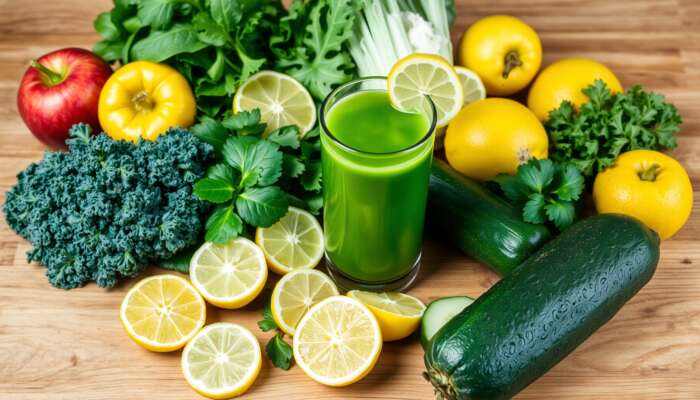
For those new to juicing, here are a few simple recipes using everyday ingredients that can help lower LDL levels. A classic green juice can be made with spinach, green apples, and cucumber, blended for a refreshing and nutritious drink. Another easy option is a beet and carrot juice that combines beets, carrots, and a hint of ginger for flavor and health benefits.
Experimenting with flavors is key; try adding citrus for a zesty twist or mint for freshness. These beginner-friendly recipes are not only delicious but also provide a potent mix of nutrients that support cholesterol management.
- Classic green juice: spinach, green apples, cucumber.
- Beet and carrot juice: beets, carrots, ginger.
- Add citrus or mint for flavor variations.
Why do certain juices outperform others?
Certain juices outperform others in cholesterol control due to their nutrient profiles. Juices containing high levels of soluble fiber, such as those made from oats or barley, have been shown to effectively bind to cholesterol and promote its excretion from the body. Additionally, juices rich in antioxidants, like pomegranate and berries, help reduce inflammation and improve overall cardiovascular health.
Moreover, the presence of specific vitamins and minerals, including vitamin C and potassium, can positively influence cholesterol levels. Understanding these nutrient profiles allows individuals to make informed choices when selecting juices for cholesterol management.
- High soluble fiber juices bind to cholesterol.
- Antioxidant-rich juices reduce inflammation.
- Vitamins and minerals positively influence cholesterol.
What is the impact of citrus juices on cholesterol levels?
Citrus juices, such as orange and grapefruit, contain high levels of vitamin C and pectin, which are known to help reduce LDL cholesterol by inhibiting its absorption in the digestive system. Incorporating these juices into your daily routine can significantly enhance heart health, providing a refreshing way to support cholesterol management.
However, moderation is crucial to avoid excess sugar intake, especially from commercially produced juices. Freshly squeezed citrus juices are preferable, as they provide the maximum health benefits without added sugars. Including a variety of citrus fruits in your diet can further diversify your nutrient intake and support overall wellness.
- Citrus juices help reduce LDL cholesterol.
- Moderation is key to avoid excess sugar.
- Freshly squeezed juices are more beneficial.
What are the potential side effects of high-cholesterol juices?
While juices can aid in cholesterol management, overconsumption may lead to issues such as blood sugar spikes or digestive discomfort due to their high natural sugar content. It’s essential to balance juice intake with a varied diet that includes whole foods to mitigate these risks.
Consulting with a healthcare provider is advisable to ensure safe and effective juicing practices. They can guide you on appropriate serving sizes and help monitor any potential side effects related to your juicing regimen.
- Overconsumption can lead to blood sugar spikes.
- Balance juice intake with whole foods.
- Consult healthcare providers for safe practices.
Research-Backed Benefits of Juicing
What evidence supports juicing for heart health?
Research indicates that nutrient-dense juices may reduce inflammation associated with high cholesterol levels, providing compelling evidence for this dietary option. For example, studies suggest that antioxidants found in fruits and vegetables can protect against oxidative stress, a risk factor for cardiovascular disease.
To incorporate these findings into your practice, aim to include a variety of colorful fruits and vegetables in your juices, maximizing your intake of beneficial compounds that support heart health.
- Nutrient-dense juices may reduce inflammation.
- Antioxidants protect against oxidative stress.
- Include colorful fruits and vegetables for maximum benefits.
How does juicing compare to traditional diets?
Juicing complements traditional, whole-food diets by enhancing nutrient absorption, potentially improving cholesterol outcomes. Unlike processed foods, juices retain the vital nutrients of whole ingredients, making them a concentrated source of health benefits.
This synergy between juicing and whole-food eating allows individuals to experience improved energy levels and better overall health. Emphasizing whole foods while incorporating juices ensures a balanced approach to diet and cholesterol management.
- Juicing enhances nutrient absorption.
- It complements whole-food diets effectively.
- Improved energy levels result from this synergy.
How do you measure success with juicing interventions?
To track the effectiveness of juicing interventions on cholesterol levels, regular check-ins are essential. Monitoring changes in cholesterol can be achieved through simple tests conducted at healthcare facilities. Establishing a timeline for these tests helps in assessing progress and making necessary adjustments to your juicing plan.
- Keep a food diary to record juice consumption.
- Schedule regular cholesterol tests.
- Note energy levels and overall wellness.
- Adjust your juice recipes based on results.
By actively measuring your progress, you can optimize your juicing efforts and achieve your health goals more effectively.
Why Choose Juicing Over Other Methods?
What makes juicing convenient for busy lifestyles?
Juicing offers a quick and convenient way to prepare nutrient-packed drinks that support cholesterol management without the need for complex cooking. This makes it an ideal solution for those with busy lifestyles. With minimal preparation time, you can easily incorporate fresh juices into your morning routine or have them on-the-go, allowing for a nutritious addition to your day.
Moreover, juicing allows for a diverse range of flavors and combinations, keeping your diet interesting while maximizing health benefits. This flexibility encourages adherence to a healthy lifestyle, making it easier to manage cholesterol levels effectively.
- Juicing is quick and convenient.
- Minimal preparation time is required.
- Diverse flavors keep the diet interesting.
What are the potential drawbacks of alternative approaches?
While pills and strict diets may offer alternative routes for cholesterol management, juicing presents a natural and appealing option. Unlike medications, which may carry side effects, juicing focuses on whole, natural ingredients that provide essential nutrients without artificial additives.
Additionally, strict diets can often be difficult to maintain long-term. Juicing offers a more enjoyable and sustainable approach, allowing individuals to incorporate varied flavors and seasonal ingredients into their routines.
- Juicing is a natural alternative to medications.
- It avoids artificial additives.
- More enjoyable and sustainable than strict diets.
How does juicing fit into a holistic health plan?
Integrating juicing into a holistic health plan enhances its effectiveness in controlling cholesterol levels. Combining juicing with regular exercise, adequate hydration, and stress management strategies creates a comprehensive approach to health.
For example, pairing a juice rich in antioxidants with a brisk walk can amplify cardiovascular benefits. This holistic strategy not only helps in cholesterol management but also promotes overall well-being and a healthier lifestyle.
- Combine juicing with regular exercise.
- Ensure adequate hydration for optimal health.
- Incorporate stress management strategies.
Tips for Incorporating Juicing into Your Routine
What daily habits enhance juicing benefits?
To maximize the health benefits of juicing, establish daily habits that support this practice. Consider starting your day with a refreshing juice to kickstart your metabolism and energize your body. This morning ritual can set a positive tone for your entire day.
Additionally, create a juicing schedule, such as preparing juices for the week during weekends, ensuring you always have healthy options readily available. Pairing juicing with other healthy habits, like regular exercise and mindful eating, can further enhance its effectiveness in managing cholesterol levels.
- Start your day with a refreshing juice.
- Create a weekly juicing schedule.
- Pair juicing with regular exercise and mindful eating.
How can you customize juices for personal preferences?
Personalizing your juice recipes can make the habit more enjoyable and sustainable. Feel free to adapt recipes to your taste, incorporating flavors you love while ensuring they include cholesterol-fighting elements. Experimenting with different ingredients allows you to discover new favorites while maximizing the health benefits.
For example, if you prefer sweeter juices, consider adding naturally sweet fruits like pineapple or mango to balance flavors while maintaining a healthy profile. This customization helps keep your juicing routine engaging and aligned with your health goals.
- Adapt recipes to your taste preferences.
- Add naturally sweet fruits for flavor balance.
- Explore new ingredients regularly.
How do you track progress and adjust as needed?
Monitoring your cholesterol levels and adjusting your juicing plan based on responses is essential for optimal results. Simple at-home tests can provide insights into how your juice intake impacts your health, allowing you to make informed adjustments.
- Note any changes in energy or mood.
- Evaluate how your body responds to specific ingredients.
- Adjust your juice recipes based on taste preferences.
- Consider incorporating new fruits and vegetables regularly.
By actively tracking your progress, you can fine-tune your juicing practices, ensuring they align with your health objectives and support effective cholesterol management.
FAQs
How often should I juice for cholesterol management?
Regular juicing, ideally one glass daily, can support cholesterol management effectively, complementing a balanced diet rich in whole foods.
Can I use store-bought juices for cholesterol control?
While store-bought juices can be convenient, opting for freshly made juices without added sugars is preferable for optimal health benefits.
What fruits are best for juicing to lower cholesterol?
Fruits such as apples, berries, and citrus are particularly effective due to their high fiber and antioxidant content that aids in cholesterol reduction.
Is it necessary to peel fruits before juicing?
Peeling fruits depends on the type; for example, citrus and apples should be washed thoroughly, while peeling may be necessary for conventionally grown produce to reduce pesticides.
Can juicing replace meals?
Juicing should complement meals rather than replace them, as whole foods provide essential nutrients and fiber that juices may lack.
Are there any side effects of juicing?
Excessive juicing, especially with high-sugar fruits, can lead to blood sugar spikes. Moderation and balance with whole foods are essential.
How can I improve the taste of green juices?
Adding naturally sweet fruits like apple or pineapple, along with herbs like mint, can enhance the flavor of green juices without compromising health benefits.
What’s the best time to drink juice for maximum benefits?
Drinking juice in the morning on an empty stomach can help maximize nutrient absorption and energize your day.



I love how you highlighted the cultural aspects of juicing! It’s fascinating to see how different regions adapt their juicing practices based on local produce. For instance, I’ve tried adding beets to my juices after learning how great they are for reducing blood pressure, and it’s amazing how versatile juicing can be.