



Why is Juicing Important for Digestive Health?
Juicing is a method of extracting nutrients because it maximizes the availability of vitamins and enzymes, which matters for enhancing digestive function.
At JuincingPower, we specialize in juicing, health, fruits, and vegetables, helping health-conscious individuals achieve optimal digestive wellness. Our services empower users to incorporate nutrient-rich juices into their daily routines, promoting better health outcomes.
This guide covers the essential aspects of juicing for digestion, including key ingredients, preparation methods, potential risks, and expert insights.
- Understanding the benefits of juicing for digestion
- Key ingredients that enhance digestive health
- Preparation tips for your first juice
- Potential health risks associated with juicing
- Expert recommendations for optimal juicing practices
What Key Ingredients Should You Include in Digestive Juices?

High-water-content fruits and vegetables are essential for effective juicing. They provide hydration, which is crucial for digestive processes. Additionally, ingredients rich in fiber enhance digestion by promoting regular bowel movements.
Here are some key ingredients to consider for optimal digestive health:
- Ginger
- spinach
- Pineapple
- Beets
- Carrots
- Apples
- Cucumber
- Lemon
These ingredients not only add flavor but also significantly contribute to digestive health by providing enzymes and antioxidants.
How Do You Prepare Your First Juice at Home?
Making your first juice is straightforward. Gather your ingredients, which can include a mix of fruits and vegetables based on your preferences. You will need a quality juicer, a cutting board, and a knife.
Start by washing your produce thoroughly. Cut it into smaller pieces for easier juicing. Run the ingredients through your juicer and serve immediately for the best flavor and nutrient retention.
With practice, you will refine your techniques and discover combinations that work best for your taste and digestive health.
What Are the Potential Health Risks of Juicing?
While juicing offers numerous benefits, it is essential to be aware of potential health risks. Excessive sugar from fruits can lead to spikes in blood sugar levels, particularly for those with diabetes. Relying solely on juices may also result in nutrient imbalances and reduced fiber intake.
Consult healthcare professionals before starting a juicing regimen. Ensure a balanced diet that includes whole foods alongside your juices.
How Does Juicing Aid Digestion?

Juicing provides a concentrated source of essential vitamins and minerals that actively support digestive processes. Nutrients like vitamin C from citrus fruits promote the growth of beneficial gut bacteria, while minerals such as magnesium in leafy greens aid in muscular contractions in the gut.
These nutrients work synergistically to create an efficient digestive system, making juicing a valuable addition to your health regimen.
What Common Effects Can Juicing Have on the Digestive System?
One notable effect of juicing is improved regularity. Incorporating nutrient-dense juices into your diet may relieve common digestive complaints, such as bloating and constipation.
Juices rich in enzymes help break down food more effectively, allowing for better nutrient absorption. Over time, regular juicing can lead to sustained digestive comfort, enabling you to feel lighter and more energized.
What Factors Influence Juicing Outcomes?
Several factors can impact the effectiveness of juicing on digestion. The freshness of your ingredients is crucial. Fresh produce typically contains higher nutrient levels and enzymes compared to older items.
The time of day you juice, your overall diet, and even your hydration levels can influence how well juicing benefits your digestive health. Prioritizing quality and timing ensures that you maximize the advantages of juicing.
What Do Experts Recommend for Juicing Success?
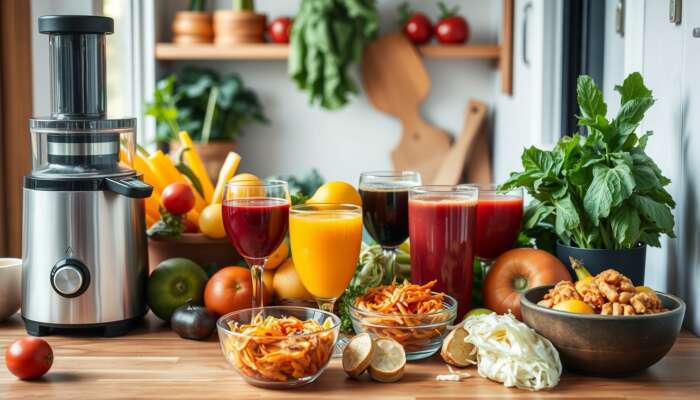
Experts recommend various juicing techniques to enhance gut health. Incorporating ingredients like fermented foods into your juices can boost probiotic content, vital for a healthy gut microbiome.
Drinking juices on an empty stomach optimizes nutrient absorption. Many practitioners advocate for a routine that includes a variety of vegetables and fruits to ensure a well-rounded intake of nutrients.
What Advanced Nutrient Combinations Yield Better Results?
Combining specific ingredients can lead to enhanced digestive benefits. For example, blending ginger with green apples creates a powerful juice that aids digestion.
Adding lemon enhances the alkalinity of the juice, further promoting gut health. Experiment with combinations using leafy greens, herbs, or citrus to maximize nutrient synergy.
What Are the Long-Term Benefits of Juicing According to Experts?
Over time, sustained juicing practices can significantly improve digestive health. Many individuals report increased energy levels, better skin health, and a more robust immune system.
Regular consumption of juice helps maintain a balanced gut microbiome, critical for overall health. Real-world examples show that those who commit to a juicing routine often experience long-lasting benefits.
How Does Juicing Support Overall Wellness?
Juicing enhances digestion and contributes to overall wellness. Incorporating juices into your daily routine can lead to boosts in energy, improved immunity, and greater mental clarity.
Here are some daily advantages you might notice from regular juicing:
- Increased hydration
- Better nutrient absorption
- Enhanced detoxification
- Improved skin appearance
- Greater energy levels
- Stronger immune system
- Reduced cravings for unhealthy foods
- Improved mood and mental clarity
These benefits collectively contribute to a healthier, more vibrant lifestyle.
What Potential Drawbacks Should You Consider?
Despite its many benefits, juicing can present challenges. Some individuals may experience digestive discomfort when transitioning to a high-juice diet, especially if they are used to consuming more fiber from whole foods.
Juices can also lead to nutrient imbalances if consumed in excess or without variety. Approach juicing with a balanced mindset, listening to your body and adjusting your intake as needed.
How Can You Integrate Juicing into Daily Habits?
Incorporating juicing into your daily routine can be straightforward and rewarding. Start by allocating specific days for juicing, making it a ritual you look forward to.
Consider prepping vegetables and fruits in advance to streamline the process. Maintaining a variety of ingredients on hand will keep your juices exciting and nutritious.
What Do Research Studies Say About Juicing for Digestion?
Research indicates that juicing can significantly improve digestive health through enhanced nutrient bioavailability. Studies have found that nutrients like fiber and antioxidants promote better gut health when consumed in juice form.
Implementing a juicing regimen that includes a range of colorful fruits and vegetables is an actionable step towards supporting digestive processes and overall gut health.
How Can You Optimize Juices for Maximum Effect?
To maximize your juices’ benefits, adjust their compositions based on your specific digestive needs. If certain juices cause bloating, reduce the quantity of high-sugar fruits and increase leafy greens.
Expert suggestions recommend including a variety of herbs, such as mint or parsley, to enhance digestion and flavor. These adjustments can lead to better digestive outcomes.
How Can You Monitor Progress Over Time?
Tracking your progress when incorporating juicing into your diet can help you understand its effects on your digestion. Keep a journal that notes your juice intake and any changes in digestive symptoms for valuable insights.
Evaluate your energy levels, bowel regularity, and overall feelings of well-being as part of this monitoring process. This approach ensures that you can make informed adjustments to your juicing habits.
What Are the Potential Risks of Juicing for Digestion?
Research indicates that while juicing can aid digestion, excessive consumption might lead to blood sugar spikes or reduced fiber intake. Experts recommend balancing juices with whole foods and consulting professionals to avoid risks.
Monitor for any adverse effects and adjust your intake accordingly. Emphasizing a well-rounded diet alongside juicing is crucial for optimal digestive health.
What Juicing Recipes Are Proven for Digestive Relief?
Several evidence-based juice recipes can support gut health, especially those rich in enzymes and probiotics. For instance, a juice made with ginger, green leafy vegetables, and cucumber can provide soothing effects on the digestive tract.
Incorporating probiotic-rich ingredients such as fermented vegetables into your juices is another great way to enhance gut health. Aim to enjoy these juices regularly to maximize digestive improvements.
What Tools Do You Need for Juicing?
Starting your juicing journey requires essential equipment to achieve optimal results. A high-quality juicer, whether centrifugal or masticating, is crucial for extracting maximum nutrients from your produce.
Other helpful tools include a cutting board, sharp knife, and storage containers for prepped ingredients. These items enable you to create delicious juices that are beneficial for digestion.
What Daily Juicing Schedules Yield the Best Results?
To integrate juicing effectively into your lifestyle, establish a flexible daily schedule. Many people find that having juice in the morning on an empty stomach provides a refreshing start to their day.
Alternatively, you might prefer a mid-afternoon juice to boost energy levels. The key is to find a routine that fits your lifestyle, allowing you to enjoy the benefits of juicing without it feeling like a chore.
Why Does Consistency Matter in Juicing?
Consistency is vital for juicing and digestive health. Regular consumption of nutrient-rich juices helps maintain a stable environment in your gut, promoting ongoing health benefits.
By making juicing a habitual part of your daily routine, you ensure that your body receives the necessary nutrients that aid digestion and overall well-being. This sustained approach leads to pronounced and lasting improvements.
What Common Mistakes Should You Avoid in Juicing?
How Important is Freshness in Ingredients?
One significant error is using non-fresh produce in your juices. Ingredients past their prime can hinder digestion and reduce the nutrient quality of your juice. Always inspect your fruits and vegetables for freshness before juicing.
How Can You Balance Sweet and Savory Flavors?
Maintaining a balance of sweet and savory flavors in your juices is essential for optimal digestive health. Relying too heavily on sweet fruits can lead to blood sugar spikes and potential digestive discomfort.
Incorporate a variety of flavors by mixing in vegetables like spinach or carrots alongside fruits. Here are some flavor combination ideas:
- Beetroot and apple
- Spinach and cucumber
- Pineapple and ginger
- Carrot and orange
How Can You Ensure Proper Hydration Alongside Juicing?
Juicing should complement your overall hydration strategy. Many people overlook the importance of drinking plain water or herbal teas alongside their juices.
Proper hydration aids digestion and ensures your body can process nutrients effectively. Aim to maintain a balanced intake of fluids throughout the day, especially if consuming a high amount of juiced fruits and vegetables.
Why is Cleaning Juicing Equipment Crucial?
A common mistake in juicing is neglecting the cleaning of equipment. Failing to clean your juicer can lead to bacterial contamination and foodborne illnesses, compromising the health benefits of your juices.
Develop a routine for cleaning your juicing equipment immediately after use. Disassemble the juicer and wash all components thoroughly with hot, soapy water.
FAQs
What fruits are best for digestion when juicing?
Fruits such as pineapple, apple, and pears are excellent choices for digestion. They provide natural enzymes and fiber that support gut health.
Can juicing replace meals?
While juicing can supplement your diet, it should not completely replace meals. Whole foods provide essential nutrients and fiber that juices may lack.
How often should I juice for digestive benefits?
Aim to incorporate juicing into your routine several times a week for optimal digestive health. Consistent consumption will yield the best results over time.
Is it necessary to peel fruits and vegetables before juicing?
Peeling is not always necessary; many skins contain valuable nutrients. However, wash all produce thoroughly to remove pesticides and dirt.
Are there any side effects of juicing?
Some individuals may experience digestive discomfort when starting a juicing regimen, especially if transitioning from a low-fiber diet. Monitor how your body reacts and adjust accordingly.
Can I store freshly made juice?
While it’s best to consume fresh juice immediately, you can store it in an airtight container in the refrigerator for up to 24 hours. However, nutrient loss may occur over time.
Do green juices help with digestion?
Yes, green juices, especially those containing leafy greens like spinach and kale, are rich in nutrients that aid digestion and support gut health.
What should I look for in a juicer?
Choose a juicer that fits your needs—consider factors like ease of cleaning, noise level, and whether you prefer a centrifugal or masticating model for better nutrient extraction.
Can I juice with frozen fruits and vegetables?
Yes, you can use frozen fruits and vegetables in your juices. They can be a convenient option and still retain many nutrients.
How can I make my juices taste better?
Enhance the flavor of your juices by adding fresh herbs, citrus, or spices. Experimenting with different ingredient combinations can help you find your preferred taste.
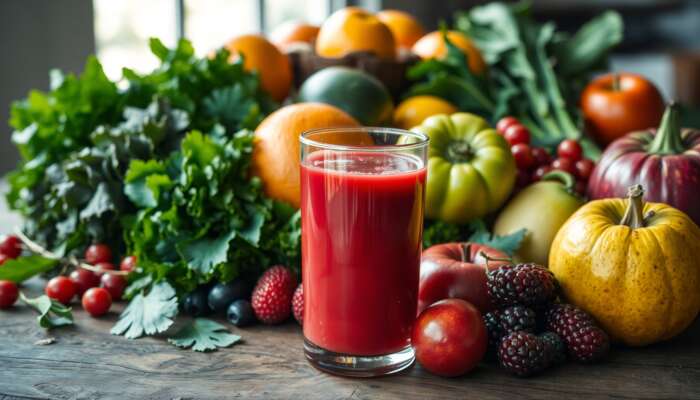



I really appreciate the focus on juicing for digestive health; it’s such an essential topic that often gets overlooked! I’ve been experimenting with different juice recipes, and I’ve found that incorporating ingredients like ginger and cucumber really helps my digestion. Ginger, with its anti-inflammatory properties, has made a noticeable difference for me after meals.
It’s great to hear how you’re diving into the world of juicing for digestive health. Ginger and cucumber are excellent choices; they each offer unique benefits. Ginger not only helps with digestion but also can soothe an upset stomach and reduce nausea, which makes it a go-to for many after meals. The flavor it adds can really elevate a juice, too, creating just the right spice without overpowering the other ingredients.
I really appreciate this exploration of juicing and its impact on digestive health. It’s fascinating how our diets can play such a crucial role in how well our bodies function, particularly in digestion. I’ve started incorporating juices into my routine, and I’ve noticed a significant boost in my energy levels and overall well-being.