


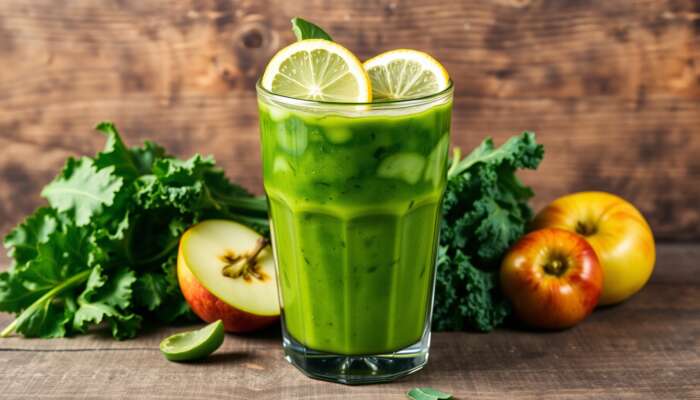
What is Green Juice?
How is Green Juice Defined?
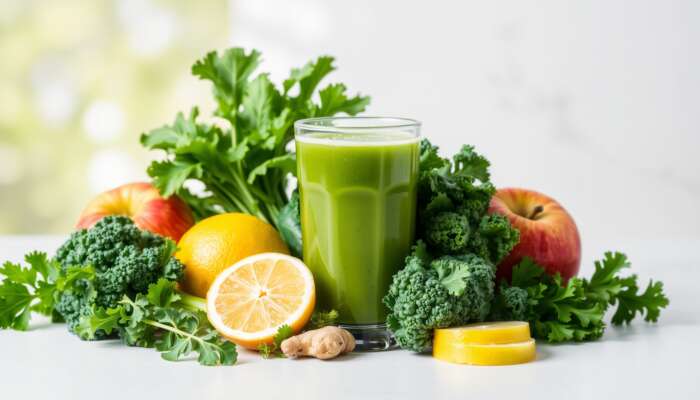
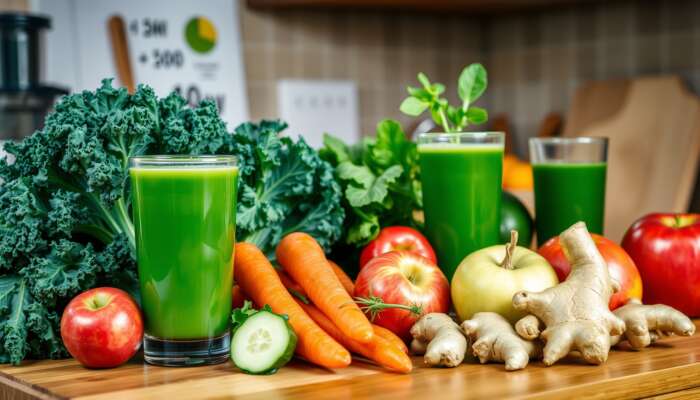
Green juice is a nutrient-dense beverage made from fresh vegetables, primarily leafy greens like kale and spinach. This drink is packed with essential vitamins and antioxidants, which support overall well-being. Green juice is vital for hydration and energy maintenance, making it a popular choice for health-conscious individuals. Common ingredients in green juice include:
- Kale
- Spinach
- Cucumber
- Celery
- Parsley
- Lemon
- Ginger
- Apples
As of 2026, green juice has gained immense popularity, especially in urban areas, due to its convenience in providing vital nutrients and hydration.
What is the History of Green Juice?
The concept of green juice has evolved significantly, drawing inspiration from ancient civilizations that recognized the health benefits of consuming raw plants. The Egyptians and Greeks valued green vegetables for their health-enhancing properties. Today, modern techniques such as natural fermentation and blending are used to preserve nutrients, enhancing green juice’s role in current wellness trends. This enduring appeal connects individuals globally to foundational health practices.
How is Green Juice Made?
The process of creating green juice involves blending or juicing greens to extract liquid while retaining some fiber, which aids digestion. This method results in vibrant, healthy beverages that can be customized to individual preferences. Various preparation methods, including high-speed blending and cold-press juicing, ensure freshness and effectiveness in promoting a healthier lifestyle. Anyone can incorporate green juice into their routine, regardless of culinary skills.
What Are the Health Benefits of Green Juice?
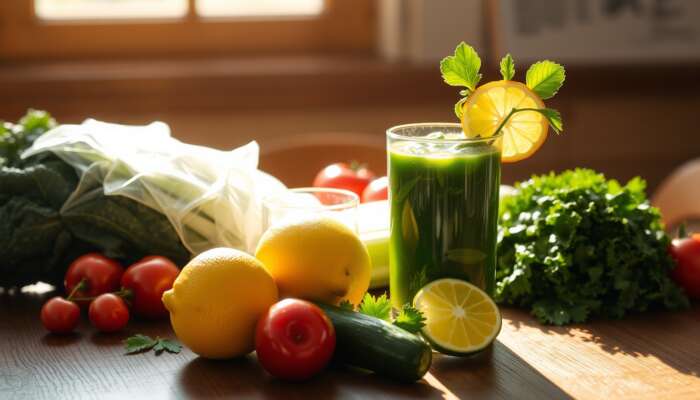
What Nutritional Aspects Does Green Juice Offer?
Green juice is a concentrated source of chlorophyll, vitamins A and C, and essential minerals that enhance immune function and reduce inflammation. Regular consumption of green juice supports weight management and improves skin health. The high antioxidant content helps neutralize free radicals, bolstering the immune system. Integrating green juice into daily life amplifies nutritional intake and encourages healthier dietary habits.
Why Should You Choose Green Juice?
Choosing green juice is an effective way to increase vegetable consumption, especially for busy individuals. This nutrient-dense beverage delivers essential nutrients in an easily digestible form. It supports metabolic health, reduces cravings, and provides sustained energy throughout the day. Incorporating green juice into one’s daily routine can help bridge the gap for those struggling to meet their vegetable intake goals.
What Are Common Misconceptions About Green Juice?
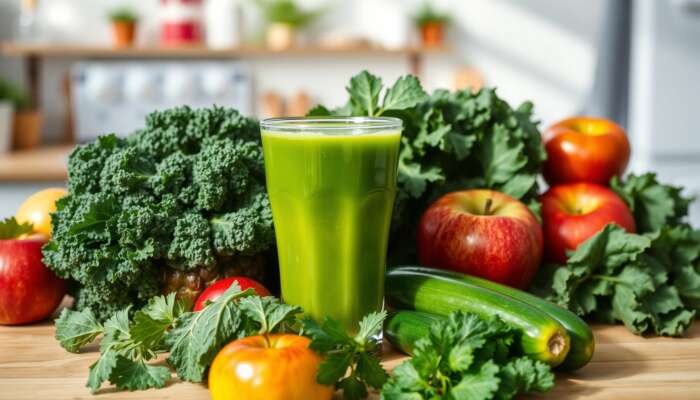
Many people believe that green juice lacks fiber. However, proper preparation retains some fiber, aiding gut health without causing blood sugar spikes. It’s crucial to understand that green juice is not a meal replacement but rather a complement to a balanced diet. Recognizing its role in holistic nutrition practices allows consumers to embrace its benefits fully.
What Do Experts Say About Green Juice?
What Are the Expert Insights on Its Benefits?
Studies indicate that green juice enhances detoxification and cognitive function through its antioxidant properties. Chlorophyll contributes to liver health, aiding in toxin elimination. Actionable steps include starting the day with green juice to kickstart metabolism or consuming it post-workout to replenish nutrients. Research shows long-term health improvements, such as increased energy and enhanced focus, when individuals regularly include green juice in their diets.
How Can Green Juice Be Applied in Real Life?
Experts highlight the use of green juice in daily routines to combat fatigue and improve heart health. Its potassium content is crucial for heart function. Dietary trials indicate that participants report increased vitality and reduced lethargy when incorporating green juice. Real-world applications extend beyond drinking juice; they include using it in smoothies or as a salad dressing base.
What Do Experts Recommend for Green Juice Consumption?
Health professionals recommend green juice for its anti-inflammatory effects, beneficial for recovery from illness and injury. Clinical observations link this beverage to improved recovery times. Moderation is essential to avoid overconsumption, ensuring optimal results without adverse effects. Varying ingredients based on seasonal availability keeps the experience fresh and enjoyable.
What Are the Potential Risks of Green Juice?
Experts caution against over-reliance on green juice, as studies show possible nutrient imbalances without a varied diet. Monitoring for allergies, particularly in individuals sensitive to certain greens or fruits, is essential. Consulting healthcare professionals can provide personalized guidance for safe integration of green juice into one’s diet.
How Does Green Juice Compare to Other Juices?
Professionals often compare green juice to fruit juices, emphasizing its lower sugar content and higher nutrient density from leafy greens. Research indicates that lower sugar intake leads to better weight management and reduced chronic disease risk. Understanding the nutritional profiles of different juices helps consumers make informed choices.
What Are the Key Components of Green Juice?
What Are the Essential Ingredients?
The core elements of green juice include leafy greens, fruits, and herbs that deliver phytonutrients for immune support. Leafy greens like kale and spinach are rich in vitamins and minerals, while fruits like apples and citrus add natural sweetness. Herbs enhance flavor and contribute to detoxifying properties. This combination ensures that green juice is both nutritious and appealing.
How Can You Select Quality Produce?
Choosing fresh, organic produce is crucial for maximizing flavor and nutritional value. Vibrant colors and firmness indicate freshness; for example, bright green kale and crisp cucumbers ensure optimal nutrient content. Organic options reduce exposure to pesticides, aligning with health-conscious consumer choices.
What Are Some Variations in Green Juice Recipes?
Experimenting with different greens and add-ins allows for customized flavors while maintaining nutritional integrity. Popular recipe variations include:
- Adding ginger for a spicy kick
- Incorporating fruits like pineapple for sweetness
- Using beets for an earthy flavor
- Mixing in herbs like basil for a fresh twist
- Combining different greens for nutritional diversity
- Incorporating superfoods like spirulina
- Experimenting with citrus juices for brightness
These variations enhance the flavor profile of green juice and ensure it remains versatile for different dietary preferences.
What Are the Health Benefits of Green Juice?
Green juice provides key health benefits such as enhanced detoxification and improved digestion. Its high concentration of antioxidants, vitamins, and minerals supports immune health and overall vitality. The detoxifying properties of leafy greens contribute to liver health, while fiber aids digestion. Regular consumption can lead to significant health improvements over time.
What Are Effective Juicing Techniques and Tips?
Using cold-press methods helps preserve nutrients and enzymes in green juice. Cold-press juicers operate at lower speeds, reducing heat and oxidation. Proper preparation, like washing and chopping produce, ensures maximum yield and flavor. Beginners should start with familiar ingredients and gradually introduce new ones for an enjoyable experience.
What Are the Potential Side Effects of Green Juice?
What Are Common Side Effects?
Overconsumption of green juice may lead to mild digestive discomfort or nutrient imbalances. Some individuals might experience bloating, especially if they are not accustomed to high-fiber foods. Monitoring intake helps mitigate risks and ensures safe enjoyment of its health advantages.
When Should You Consult a Professional?
If adverse reactions occur, seeking advice from a healthcare professional is essential for personalized guidance. This step addresses individual health needs and prevents complications. Consulting a professional is particularly important for those with underlying health conditions or specific dietary restrictions.
Is Green Juice Suitable for All Ages?
Certain groups may need adjustments due to varying tolerances, but green juice generally supports growth in children and maintenance in adults. Children might require milder flavors, while adults can enjoy more potent combinations. Allergies should be considered for safe consumption.
What Are Trusted Strategies for Green Juice?
What Are Actionable Steps for Preparation?
To prepare green juice effectively, select high-quality ingredients and wash them thoroughly. Simple techniques, such as starting with softer greens before adding tougher ones, enhance texture and flavor. Preparing juice in batches for the week can maximize freshness and flavor.
How Can You Maintain Freshness?
Proper storage methods are crucial for keeping green juice potent. Use airtight containers to retain vitamins and prevent oxidation. Consuming juice within 48 hours ensures nutrients remain intact, as exposure to light and air can degrade its health benefits.
How Can You Integrate Green Juice Long-Term?
Integrating green juice long-term involves building habits around regular intake. Establishing routines, such as including juice in breakfast or post-workout snacks, aligns with lifestyle goals. Keeping a journal to monitor energy levels and health metrics can provide insights into the impact of green juice.
Is Green Juice Easy to Prepare?
What Are Basic Preparation Methods?
Simple tools and steps make green juice accessible, involving washing and blending greens quickly. The ease of making green juice encourages consistent use, as busy individuals can blend a nutritious drink in minutes.
What Tools Are Needed?
Essential equipment like blenders and strainers facilitates the process, ensuring efficiency for home users. High-speed blenders create smooth juices, while dedicated juicers extract maximum liquid from greens. Basic kitchen tools like cutting boards and knives are also important.
What Tips Are Helpful for Beginners?
For newcomers to juicing, starting with mild flavors and gradually adding stronger greens can help build tolerance. Using sweeter fruits can balance bitterness, making the experience enjoyable. Sharing recipes or joining a health-focused community can provide support and inspiration.
What Variations Are Available for Different Tastes?
Adding fruits like apples or lemons can balance the bitterness of greens, making green juice more palatable. Customizing flavors increases the likelihood of sticking to a routine. Offering variations like spicy ginger or refreshing mint caters to diverse preferences.
What Are Storage and Freshness Tips?
To maintain the quality of prepared green juice, store it in airtight containers in the refrigerator for up to 48 hours. Proper storage reduces oxidation and helps keep the juice fresh, simplifying daily routines and encouraging regular consumption.
How Can You Incorporate Green Juice into Daily Life?
What Are Daily Routine Integration Strategies?
Green juice can seamlessly blend into daily routines, enhancing meals or snacks. Starting the day with a glass can provide a refreshing boost, while enjoying it as an afternoon snack can combat fatigue. Regular consumption fosters a commitment to health, leading to positive lifestyle changes.



It’s interesting to think about how green juice has transitioned from the wisdom of ancient civilizations to become such a trendy health staple today. I remember the first time I tried green juice; I was skeptical but curious, and it actually opened my eyes to how delicious and refreshing a combination of greens and fruits can be! I always thought that consuming healthy foods felt like a chore, but blending them into a drink was a game changer for me.
I really appreciate this deep dive into green juice! It’s fascinating to see how something with such ancient roots has transformed into a modern health staple. I’ve been experimenting with my own green juice blends, and I love incorporating herbs like cilantro and mint for an extra flavor kick.
It’s great to hear you’re experimenting with your own green juice blends! Cilantro and mint are fantastic choices, bringing both flavor and unique health benefits. Cilantro is known for its detoxifying properties, while mint can aid digestion and add a refreshing note.
Your exploration of green juice highlights its rich history and nutritional benefits. I find it fascinating how this beverage connects us to ancient practices of health and wellness. For instance, the way the Egyptians and Greeks emphasized fresh greens is now echoed in the modern trend of juicing. However, I wonder about the balance between convenience and the importance of whole foods in our diets. While green juice offers a quick nutrient boost, do we risk overshadowing the benefits of chewing vegetables and incorporating them into meals? It’s intriguing to consider how technology and health trends shape our eating habits, potentially shifting our relationship with food. What has been your experience with balancing juice consumption and whole foods?
I’m really intrigued by the resurgence of green juice and how it’s rooted in the traditions of ancient civilizations. It’s fascinating to think that cultures like the Egyptians and Greeks recognized the importance of whole, raw plants long before the modern wellness movement came to be.
It’s really cool to connect those dots between ancient cultures and what we’re seeing today with green juice. The Egyptians were heavy into plant-based remedies, using ingredients like herbs and greens for everything from health to beauty. They understood what nature could offer long before we had all this scientific backing.
It’s interesting to see how green juice has evolved from ancient practices into a mainstream health trend today. Your overview highlights not only the nutritional benefits but also its historical context, which often gets overlooked in modern discussions. Ancient civilizations like the Egyptians and Greeks were certainly ahead of their time in recognizing the importance of raw plants, yet it’s curious that we sometimes seem to have lost touch with the simplicity of whole foods in favor of convenience.
I find it fascinating how green juice has woven itself into the fabric of modern health trends, especially since its roots go back to ancient civilizations. It’s an excellent reminder of how our ancestors prioritized fresh, raw foods in their diets. I love that green juice combines so many nutrient-rich ingredients; it feels like a celebratory homage to these age-old practices!