


Exploring the Synergy Between Juices and Meals
Delving into the Chemistry of Flavor Pairing

Investigating the intricate relationship between advanced juice pairing with meals uncovers an engaging interplay of flavors and aromas that enhances our dining experiences. The science behind these flavor combinations transcends mere taste; it encompasses the complex chemical interactions that occur within our food and beverages. When you enjoy a juice alongside a dish, you are not just quenching your thirst; you are enriching the sensory experience of your meal. For example, pairing zesty citrus juices with rich dishes like duck or salmon can effectively cut through the richness, resulting in a well-balanced flavor profile. This concept is grounded in food science, where the acidity of certain juices amplifies freshness, while sweetness can soften bitterness, creating a harmonious blend of tastes.
Research has shown that the flavor compounds present in juices, such as those found in apples, pomegranates, and citrus, can either complement or contrast with the flavors of various dishes. Understanding the fundamental elements of flavor—sweetness, sourness, bitterness, saltiness, and umami—can significantly enhance the overall dining experience. The right juice pairing can elevate a dish tremendously, making flavors more pronounced and establishing a harmonious balance that delights the palate.
Unlocking Nutritional Advantages Through Juice Pairing
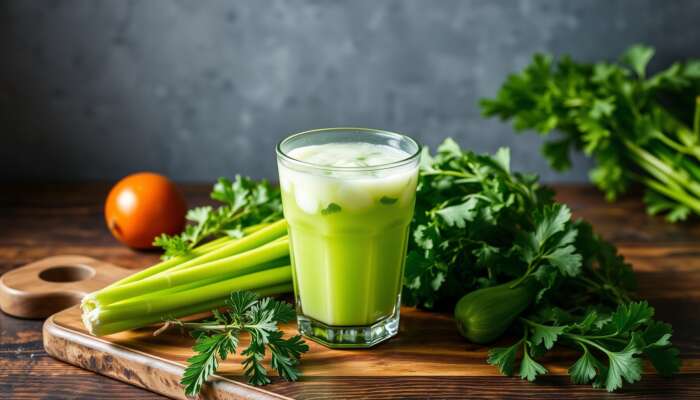
Incorporating advanced juice pairing with meals goes beyond merely enhancing flavor; it also presents a wealth of nutritional benefits. Juices are typically rich in essential vitamins, minerals, and antioxidants that can significantly boost the health profile of your meals. For instance, pairing a nutrient-dense green juice with a quinoa salad not only complements the dish’s flavors but also introduces an impressive array of nutrients like vitamin K, vitamin C, and folate, thereby enriching your overall nutritional intake.
Enhancing meals with juices encourages higher consumption of fruits and vegetables, filling your plate with a diverse range of beneficial compounds. Juices such as beetroot, known for its high nitrate content, can enhance blood flow and boost athletic performance when paired with hearty meals. Furthermore, combining juices with high-fiber foods can promote digestive health, resulting in meals that are not only satisfying but also nutritionally comprehensive.
Understanding the Role of Juice Pairing in Digestion and Nutrient Uptake
The manner in which we pair advanced juice pairing with meals is essential for effective digestion and nutrient absorption. Certain juices can facilitate the breakdown of food or enhance the activity of digestive enzymes. For instance, pineapple juice contains bromelain, an enzyme that aids in protein digestion, making it an excellent companion for grilled meats. Likewise, the acidity found in citrus juices can stimulate digestive juices in the stomach, promoting a more efficient breakdown of food.
Moreover, studies suggest that consuming juices rich in vitamin C, such as orange or kiwi juice, can significantly enhance the absorption of non-heme iron found in plant-based foods like lentils and spinach. This is particularly advantageous for those following vegetarian or vegan diets, helping them to secure adequate iron levels. By thoughtfully choosing juices to complement your meals, you can create a synergistic effect that not only tantalizes the taste buds but also fosters optimal health and well-being.
Choosing the Perfect Juices for Your Culinary Creations

Essential Criteria for Selecting Juices
Selecting the ideal juices to accompany your meals necessitates an understanding of several critical factors. Begin by considering the flavor profile of both the juice and the dish. A robust, earthy dish like a hearty stew pairs wonderfully with rich pomegranate juice, which adds a delightful touch of sweetness and acidity. Conversely, lighter dishes such as salads and seafood benefit from refreshing juices like cucumber or grapefruit, which enhance the flavors without overwhelming them.
Another crucial element to consider is the temperature of both the meal and juice. Warm meals usually pair well with juices served at room temperature or slightly chilled, while cold dishes are best complemented by juices served ice-cold. This alignment of temperatures fosters a pleasant sensory experience, enhancing the overall enjoyment of the dining occasion.
Seasonality plays an equally important role in juice selection. When fruits and vegetables are at their peak, they offer the most vibrant flavors and nutritional benefits. Juices crafted from seasonal produce encapsulate the essence of the time of year, infusing freshness and vibrancy into every meal, making it more enjoyable and nourishing.
Optimal Juices for Various Meal Types
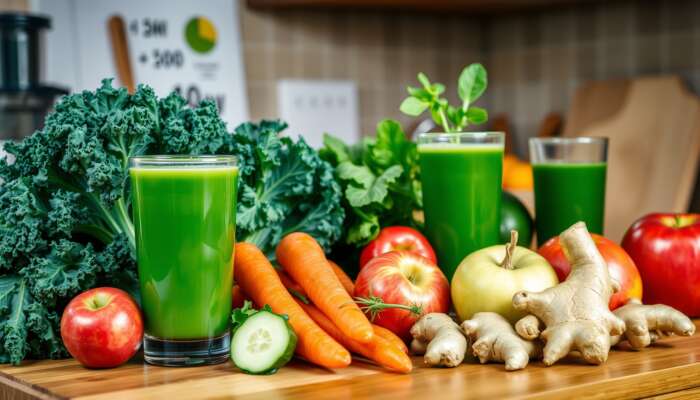
When it comes to advanced juice pairing with meals, recognizing the type of meal is vital for selecting the most appropriate juices. Breakfast, for instance, often calls for lively and revitalizing juices. Freshly squeezed orange juice pairs beautifully with a light avocado toast, while a green juice made from kale, apple, and lemon can perfectly complement a substantial oatmeal bowl.
Lunch presents ample opportunities for creativity in juice pairings. Juices like carrot and ginger can enhance a savory sandwich, while a blend of beets and berries can add a vibrant touch to a salad, enriching both flavor and visual appeal. As the day comes to a close, dinner requires thoughtful consideration; heavier meals benefit from juices that boast deeper flavors, such as a spiced apple juice paired with roasted meats or a citrus-based juice that cuts through the richness of creamy sauces, creating a balanced meal.
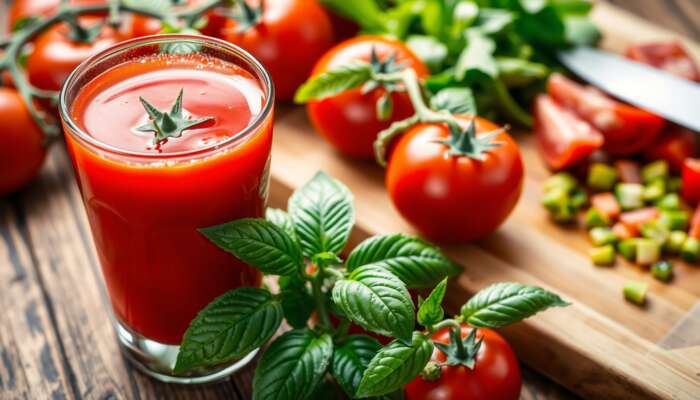
Snacks, too, provide an excellent opportunity to explore juice pairings. A refreshing watermelon juice can be a delightful addition to a cheese platter, while a spicy tomato juice can elevate the flavors of savory snacks like nachos or bruschetta. The right juice pairing can transform a simple snack into a culinary adventure that excites the palate and enhances the overall experience.
Smart Seasonal Juice Pairing Strategies

Leveraging seasonal produce for advanced juice pairing with meals not only promotes sustainability but also amplifies flavor and nutritional value. Each season brings a bounty of fresh fruits and vegetables ripe for creating unique juice recipes. In spring, for instance, consider pairing a fresh mint juice with a light asparagus and pea salad to celebrate the vibrant flavors of the season.
During the summer months, berries are at their prime; a refreshing berry juice can add a burst of flavor to grilled chicken or a fruit salad, enhancing both the taste and visual appeal of the dish. Autumn invites the warm flavors of squash and apple, making it ideal for pairing with roasted dishes that embody the comfort of the season’s culinary essence.
Although winter is often associated with hearty meals, it also provides opportunities for vibrant juice pairings. Citrus fruits like oranges, grapefruits, and lemons are abundant, making them perfect for pairing with warming soups and stews that benefit from a zesty kick. By embracing seasonal produce, you can curate a dynamic and ever-evolving menu that keeps flavors exciting and fresh.
Enhancing Juice Flavors with Creative Techniques
Mastering Blending and Mixing Techniques
The art of blending juices goes far beyond the basics of combining fruits and vegetables; it involves mastering techniques that elevate the overall flavor profile of your advanced juice pairing with meals. A well-crafted juice can beautifully complement and enhance a dish, creating an unforgettable dining experience. For example, striking a balance between sweet and tart can transform a simple juice into a complex flavor that pairs exquisitely with savory items.
Incorporating a variety of textures and flavors is essential. For instance, blending soft fruits such as bananas with crisper options like apples can create an enjoyable mouthfeel. This combination not only adds depth but also encourages the exploration of flavors, allowing every sip and bite to resonate. Additionally, consider using base juices—such as coconut water or almond milk—as a foundation to create a smooth, balanced blend that ties all the elements together seamlessly.
Experimentation is key in the realm of juice mixing. Don’t be afraid to try unconventional combinations, such as pairing carrot juice with a hint of turmeric and ginger for an invigorating match with spicy Thai dishes. Each blend can unlock new flavor dimensions, revealing how unique combinations can enrich your culinary experience and delight your palate.
Infusing Juices with Herbs and Spices
Incorporating herbs and spices can significantly enhance the depth and complexity of your juice pairings, enriching the flavors of your meals in astonishing ways. Imagine a refreshing basil-infused watermelon juice paired with grilled fish or a zesty cilantro-lime juice that complements a taco spread beautifully. These additions not only create an enticing flavor profile but also offer additional health benefits.
Beyond enhancing flavor, many herbs and spices possess impressive nutritional properties. For example, ginger can aid digestion, making it an excellent addition to juices served alongside heavy meals. Similarly, mint can refresh the palate, making it an ideal companion for rich desserts or creamy dishes that could use a bit of brightness.
When blending juices, consider how herbs can either enhance or contrast with the primary ingredients. The bitterness of certain greens can be softened with sweet herbs like mint or basil. The right spice can elevate a juice from ordinary to extraordinary, creating a memorable pairing that lingers in the mind long after the meal is over.
Optimal Temperature and Serving Suggestions
The presentation of your advanced juice pairing with meals plays a vital role in the overall experience, and serving temperature can dramatically impact enjoyment. For instance, a chilled juice served alongside a warm dish can create a delightful contrast, heightening the flavors of both elements.
Explore various serving suggestions that can amplify the tasting experience. Utilize beautiful glassware to showcase the vibrant colors of your juices, enticing both guests and family alike. Garnishing juices with fresh herbs or edible flowers can add visual appeal and an aromatic element, further enhancing the overall experience of your meal.
When considering temperature, be mindful of the nature of the dish being served. For warm soups, a room-temperature juice is preferable to avoid shocking the palate. Conversely, with a spicy dish, an ice-cold juice can provide a refreshing counterbalance. Striking the right balance in temperature can create a harmonious dining experience that delights the senses and enhances enjoyment.
Pairing Juices with Diverse Cuisines
Juices for Rich and Spicy Dishes
Rich and spicy dishes can pose a challenge when it comes to juice pairing; however, the right choices can create a perfect harmony. For heavy, creamy meals, juices with high acidity, such as citrus or pomegranate, can effectively cut through richness, providing a refreshing contrast. For example, a zesty lime juice can beautifully complement a coconut curry, enhancing the dish while revitalizing the palate.
When faced with spicy foods, consider juices that offer both sweetness and cooling effects. A mango juice can provide a delightful counterbalance to fiery dishes, while a cucumber juice can soothe the heat without overpowering the meal. Pairing juices with hydrating properties, such as watermelon or aloe vera juice, can also help mitigate spice intensity, enhancing the overall dining experience.
Experimenting with herb-infused juices can elevate these pairings even further. A cilantro-lime juice can introduce a fresh twist that highlights flavors in spicy Mexican or Indian dishes. This approach not only offers a flavor complement but also adds an element of complexity that transforms a meal into a culinary adventure worth exploring.
Juices for Light and Fresh Dishes
Light and fresh meals call for juices that are equally vibrant and invigorating. Dishes such as salads, seafood, and vegetable-based meals thrive when paired with juices that highlight their fresh ingredients. A crisp cucumber and mint juice can accompany a light shrimp salad, amplifying the freshness and coastal flavors of the dish.
Juices made from seasonal fruits, like berry blends or citrus, can enhance meals featuring greens or light proteins. For example, a refreshing grapefruit juice can elevate a simple arugula salad with goat cheese and walnuts, adding a zesty touch that complements the key elements of the dish.
When choosing juices for these lighter meals, aim for flavors that enhance rather than overpower. A gently sweet apple juice can pair beautifully with roasted vegetables, offering a subtle contrast that elevates the dish. The goal is to create a harmonious experience where both the meal and juice shine, showcasing their lightness and freshness.
Juices for Sweet and Dessert Courses
Pairing juices with sweet dishes and desserts can create a memorable conclusion to any meal. Sweet juices, such as those derived from ripe peaches or strawberries, can elevate desserts while providing a refreshing counterpart. For instance, a strawberry basil juice can pair perfectly with a rich cheesecake, enhancing the flavors while offering a refreshing contrast that cleanses the palate.
Exploring tart juices, such as cranberry or pomegranate, can also add a delightful twist to desserts. Their acidity balances sweetness, making them excellent accompaniments to chocolate-based dishes or rich pastries. A tart cranberry juice can beautifully elevate a chocolate mousse, cutting through heaviness and enhancing the overall flavor experience.
Presentation is key when it comes to pairing juices with desserts. A beautifully crafted juice served in elegant glassware alongside the dessert not only enhances visual appeal but also invites guests to embark on a flavor journey. The combination of sweet and tart can create a symphony of flavors that lingers long after the last bite has been savored.
Health Considerations in Juice Pairing
Managing Sugar Levels in Juices
When embracing advanced juice pairing with meals, it is essential to manage sugar content to maintain a balanced and healthy diet. Many fruit juices contain high levels of sugar, which can lead to excessive consumption if not monitored closely. Understanding the sugar levels in different types of juices empowers you to make informed choices that align with your dietary goals.
Opting for juices that are lower in sugar, such as vegetable juices or those primarily made from green fruits, can help keep sugar intake in check. Consider diluting sweeter juices with water or sparkling water to reduce sugar levels while still enjoying the flavor without guilt.
Additionally, pairing juices with fiber-rich foods can aid in regulating blood sugar levels. For example, consuming a sweet juice alongside a meal high in fiber, such as whole grains or legumes, can slow sugar absorption and prevent spikes in blood glucose levels. This strategic approach can enhance both the flavor and nutritional benefits of your meals, making them more satisfying and health-conscious.
Accommodating Allergies and Dietary Restrictions
Accommodating allergies and dietary restrictions is crucial when considering advanced juice pairing with meals. Many individuals have food allergies or intolerances that can affect their ability to enjoy certain juices or meals. Understanding these needs and offering alternative pairings can significantly enhance the dining experience for everyone involved.
For those with citrus allergies, exploring juices made from berries, melons, or stone fruits can provide similar sweetness or acidity without the risk of allergic reactions. When crafting juice pairings, always communicate openly about ingredients to ensure that all guests feel safe and included in the culinary experience.
For dietary restrictions such as veganism or gluten intolerance, it is essential to select juices that align with these lifestyles. Juices made from leafy greens or root vegetables not only fit dietary needs but also offer robust flavor profiles that can surprise and delight palates, enhancing the overall meal experience delightfully.
Balancing Acidity and Alkalinity in Juices
The balance between acidity and alkalinity in advanced juice pairing with meals plays a pivotal role in overall health and digestion. Juices high in acidity, such as citrus, can stimulate digestion, while alkaline juices, like those made from cucumbers or spinach, can help neutralize acidity in the stomach. Understanding this balance is key to creating a more harmonious dining experience.
When selecting juice pairings, consider the overall composition of the meal. For example, if you are serving a rich, acidic dish, pairing it with an alkaline juice can help neutralize the meal’s effects on your body, resulting in a more balanced experience. This approach not only enhances flavors but also supports healthy digestion, promoting overall well-being.
Experimenting with different juice combinations can lead to delightful surprises. A blend of acidic and alkaline juices might not only enhance flavor but also provide significant health benefits. For instance, pairing a green apple juice (alkaline) with a lemon juice (acidic) can create a refreshing balance that complements a variety of dishes while promoting overall wellness and vitality.
Incorporating Nutrient-Dense Juices
Incorporating juices rich in vitamins and minerals is a powerful strategy for enhancing the nutritional value of your meals. Nutrient-dense juices can provide a concentrated source of essential nutrients that support overall health and wellness. For example, green juices made from kale, spinach, and parsley are loaded with vitamins A, C, and K, making them an excellent pairing for hearty meals that may require additional nutritional support.
When considering advanced juice pairing with meals, pay attention to the nutrient profile of both the juice and the dish. Combining a nutrient-rich juice with a meal that lacks certain vitamins can help create a more balanced plate. For instance, pairing a carrot ginger juice (high in vitamin A) with a fish dish can provide a delicious and nutritious combination that enhances both flavor and health benefits.
The key lies in being mindful of ingredient quality. Fresh, organic produce yields the most nutrient-dense juices. By focusing on high-quality ingredients, you can ensure that each pairing tantalizes the taste buds while simultaneously supporting health and well-being, creating meals that are both flavorful and nutritious.
Creative Juice Pairing Inspirations
Innovative Pairings to Elevate Your Meals
Innovative advanced juice pairing with meals can transform your culinary experiences into unforgettable events. Embrace your creativity by exploring unexpected pairings that delight the senses. For example, a savory beet and dill juice can beautifully complement a smoked salmon dish, enhancing both the vibrancy and flavor of the meal.
Consider experimenting with fusion flavors, such as pairing a spicy jalapeño juice with grilled shrimp tacos, creating a dynamic taste experience that excites the palate. The contrast between spicy and sweet can elevate a dish and encourage guests to explore new flavor realms, expanding their culinary horizons.
Don’t hesitate to think outside the box. Pairing juices with international cuisines can lead to delightful discoveries. For instance, a coconut water and lime juice can enhance a spicy Thai green curry, while a mango lassi-inspired juice can add a refreshing touch to rich North Indian dishes. These combinations not only enhance flavors but also invite exploration of global culinary landscapes, making meals more exciting and enriching.
Engaging Themed Juice Pairing Events
Planning themed events centered around advanced juice pairing with meals can create an engaging and entertaining experience for your guests. Consider hosting a “Juice and Jazz” night, where each course is paired with a unique juice, creating an ambiance of culinary exploration and discovery that will linger in the memories of your guests.
When designing your event, think about the flow of flavors and how they can enhance the overall theme. A Mediterranean night could feature herb-infused juices, such as rosemary lemonade, paired with grilled vegetable dishes or falafel. Each juice can tell a story, enriching the cultural experience of the meal and encouraging lively conversation around the table.
Creating a tasting menu that showcases a variety of juices can also add an element of excitement. Guests can embark on a flavor journey, sampling different combinations that highlight the versatility of juices and their ability to complement various cuisines. This interactive approach not only engages the palate but also fosters social interaction and vibrant discussions, making the dining experience more enjoyable and memorable.
DIY Juice Pairing Workshops for Culinary Enthusiasts
Hosting DIY workshops on advanced juice pairing with meals can be an inspiring and interactive way to share knowledge and creativity. Participants can learn the art of combining juices with meals, exploring flavor profiles and health benefits while enjoying a hands-on experience that encourages experimentation and personal expression.
Begin by introducing the fundamentals of flavor pairing, discussing the science behind why certain juices and dishes work harmoniously together. Encourage participants to experiment with their unique combinations, providing a selection of fresh fruits, vegetables, and herbs to inspire creativity and innovation in their juice creations.
As participants craft their juices, guide them on how to enhance flavors through various techniques such as blending, seasoning, and adjusting acidity levels. This hands-on experience not only enriches their understanding of juice pairing but also empowers them to express their culinary creativity in the kitchen. By the end of the workshop, participants will leave with newfound knowledge and confidence, excited to elevate their own meals with imaginative juice pairings.
Seasonal Juice Pairing Recommendations for Every Occasion
Embracing seasonal ingredients for advanced juice pairing with meals enhances the freshness and vibrancy of your culinary creations. Each season presents unique opportunities for exciting juice pairings that highlight local produce and its peak flavors. In spring, consider pairing a refreshing pea and mint juice with a light salad dressed in lemon vinaigrette, capturing the essence of the season in every bite.
Summer invites an abundance of juicy fruits. Pairing a homemade watermelon juice with a grilled chicken salad can create a refreshing and hydrating meal, perfect for warm days. The sweetness of the watermelon enhances the savory flavors of the chicken, elevating the overall culinary experience.
In autumn, focus on harvest fruits and vegetables. A spiced apple juice can elevate roasted butternut squash or pumpkin dishes, adding warmth and depth. Winter, too, presents opportunities for exciting pairings; consider mixing a citrus juice with hearty root vegetables to brighten the plate and introduce a refreshing twist to comfort foods.
By aligning your juice pairings with seasonal produce, you not only enhance flavors but also nourish your body with ingredients that are at their peak freshness and nutritional value. This approach fosters a deeper connection to the seasons and promotes a healthy, balanced diet.
Exploring Cultural Juice Pairing Traditions
Delving into cultural traditions surrounding advanced juice pairing with meals can deepen your culinary experience and connection to global cuisines. Different cultures have unique practices that emphasize the role of juices in enhancing meals. For example, in Mexico, fresh fruit juices are frequently paired with street foods like tacos, providing a refreshing counterbalance to spicy flavors that enhance the overall enjoyment of the meal.
In India, traditional meals often feature a cooling lassi served alongside spicy dishes. These yogurt-based drinks not only enhance flavors but also support digestion, showcasing the thoughtful pairing of beverages with meals that cultures worldwide have embraced and perfected over generations.
By exploring cultural practices, you can enrich your understanding of flavor and elevate your own juice pairings. Investigate traditional recipes and adapt them to create modern pairings that honor their roots while inviting fresh perspectives. This cultural awareness not only expands your culinary repertoire but also fosters a greater appreciation for the art of pairing juices with meals from around the world.
Assessing the Success of Your Juice Pairings
Conducting Taste Tests and Gathering Feedback
Evaluating the success of your advanced juice pairing with meals is a delicate blend of creativity and constructive feedback. One effective method to gauge success is to host taste-testing sessions, inviting friends, family, or colleagues to sample various juice and meal combinations. This not only provides an opportunity for shared exploration but also opens the floor for valuable insights and suggestions.
Encouraging participants to express their thoughts on each pairing can yield profound insights. Consider asking specific questions about flavor balance, whether the juice complemented or contrasted with the meal, and overall enjoyment. Use this feedback to refine your pairings and discover what resonates best with different palates, fostering a deeper understanding of flavor dynamics.
Documenting these evaluations can help you track successful combinations over time. By maintaining a record of flavors, preferences, and feedback, you can create a personalized guide to your best pairings, ensuring that future culinary endeavors are met with success. The iterative process of tasting and adjusting will cultivate an enriched understanding of the art of juice pairing, leading to continually improved dining experiences.
Frequently Asked Questions About Juice Pairing
What is advanced juice pairing with meals?
Advanced juice pairing involves the strategic selection of juices that enhance or complement the flavors, textures, and nutritional benefits of various meals. It is an art form that transforms the dining experience through thoughtful and intentional combinations.
Why is juice pairing important?
Juice pairing enhances flavor profiles, boosts nutritional value, and can improve digestion and nutrient absorption from meals, creating a more enjoyable and healthful dining experience that supports overall well-being.
How do I select the right juices for my meals?
Consider the flavor profile, temperature, and seasonal availability of the produce when selecting juices. Aim for juices that complement or contrast the primary flavors of your meal for optimal pairing and enjoyment.
What are some examples of juice pairings for breakfast?
For breakfast, consider pairing a green smoothie with avocado toast or a freshly squeezed orange juice with oatmeal topped with fruit. These combinations provide vibrant flavors and essential nutritional benefits to kick-start your day.
How can I manage sugar content in juices?
Choose lower-sugar juices, dilute sweeter juices with water, and pair them with fiber-rich foods to regulate blood sugar levels while still enjoying the delightful flavors of your juice selections.
What should I do if I have dietary restrictions?
Accommodate dietary restrictions by selecting juices that align with individual needs, such as substituting citrus juices with berry or melon-based options for those who may have allergies or sensitivities.
How can herbs and spices enhance juice pairings?
Integrating herbs and spices into your juices can introduce new flavors and complexities, enhancing the overall dining experience and providing additional health benefits that complement your meals beautifully.
What are some creative juice pairing ideas?
Innovative pairings, such as a spicy jalapeño juice with shrimp tacos or a basil-infused watermelon juice with grilled fish, can elevate your meals and inspire culinary exploration and creativity.
How do seasonal ingredients affect juice pairings?
Seasonal ingredients provide peak flavor and nutrition, allowing for fresh and vibrant juice pairings that celebrate the essence of each time of year, enhancing both taste and overall meal satisfaction.
How can I evaluate the success of my juice pairings?
Conduct taste-testing sessions with feedback from participants to assess flavor balance and overall enjoyment. Use their insights to refine your pairings for better culinary outcomes and enhanced dining experiences.

Your exploration of the synergy between juices and meals opens up a fascinating conversation about the art and science of flavor pairing, which is often overlooked in our daily culinary experiences. It’s particularly interesting to consider how the chemistry of flavors can transform a simple meal into a complex and satisfying sensory journey.
You’ve touched on something really important in the world of cooking and eating. Flavor pairing isn’t just a technical aspect of culinary arts; it’s an experience that can elevate our meals in ways we might not even realize. When we think about how different flavors interact—whether it’s the sweetness of a tomato paired with the acidity of a balsamic reduction or the brightness of citrus cutting through the richness of a creamy dish—we’re really engaging in a sort of chemistry that’s been around for ages, yet many of us don’t pay much attention to it in our everyday cooking.
You’ve really put your finger on something that resonates deeply with me. Flavor pairing does feel like a form of culinary alchemy, doesn’t it? There’s something incredibly satisfying about discovering how ingredients that seem so different can complement each other beautifully. I remember the first time I tried pairing dark chocolate with a sprinkle of sea salt; it was a game-changer for me. The balance between the bitter, rich cocoa and the briny savoriness was such a revelation.
It’s fascinating how the principles of flavor pairing can also extend to health, as I found in this insightful piece about the benefits of an often-overlooked ingredient like red cabbage.
‘Anti-Inflammatory Juice from Red Cabbage: Unlock Health Benefits’
https://juicingpower.com/anti-inflammatory-juice-from-red-cabbage-unlock-health-benefits/.
You’ve really brought out something interesting with the idea of culinary alchemy. It’s almost like a science experiment happening right in your kitchen. I can relate to that moment of discovering a surprising pairing; for me, it was finding out how well avocado complements mango in a savory salad. The rich creaminess of the avocado and the sweet, tropical notes of the mango create such a refreshing balance. It’s experiences like these that get you thinking about how flavors work together—not just in cooking, but in life, too.
You’ve touched on such an interesting aspect of cooking! It really is like alchemy when you start combining unexpected flavors. That dark chocolate and sea salt pairing is a perfect example of how contrasting elements can come together to create something special. The science behind those contrasting flavors makes cooking an adventure where you can discover new tastes and textures.
You’ve brought up such a fascinating aspect of cooking with that mention of flavor pairing. It’s interesting how so many people overlook that chemistry you mentioned, yet it plays such a crucial role in transforming a dish from ordinary to extraordinary. I’ve often found that when I take the time to really think about how flavors will complement or contrast with one another, even simple meals can become memorable experiences.
You’re touching on something really important with the chemistry of flavors. It’s true; there’s a whole world beneath the surface of what we eat and drink that can elevate our experiences in unexpected ways. I’ve recently been experimenting with pairing juices that have complementary acidity levels with meals, and it’s fascinating how a well-chosen juice can enhance or even transform the flavors of a dish.
You’ve hit the nail on the head with pairing juices and their impact on meals. It’s interesting how the acidity in certain juices can cut through rich flavors or even elevate lighter dishes. I’ve been experimenting with using citrus juices in marinades, and it’s amazing how they can brighten up meats or bring balance to a sweet sauce.
You bring up such a vital point about the chemistry of flavors! It’s amazing how often we overlook the way different components can complement or clash with one another, especially in our everyday meals. When you start to think about how certain juices enhance the overall experience, it really shifts your perspective on food.
It’s great to see the connection you’ve made between juices and meals. The science of flavor pairing really is a treasure trove waiting to be explored. When you think about it, the chemistry of flavors can elevate our meals in ways we often take for granted.
Your exploration of the synergy between juices and meals resonates with my own culinary experiences, especially regarding the chemistry of flavor pairing. It’s fascinating to consider how juices can enhance not only the taste but also the overall sensory experience of a dish. For instance, I’ve found that a sharp, homemade ginger juice can enliven a simple stir-fry or roasted vegetables, adding a warmth and complexity that helps to elevate the dish.
I completely agree with you about the synergy between juices and meals. It’s intriguing how certain flavors can come alive through that interaction, almost like a dance of elements on the plate. Your mention of ginger juice really strikes a chord with me; it’s amazing how something as simple as a homemade juice can add so much depth.
It’s fascinating how flavors can shift so dynamically with different pairings, isn’t it? You touched on a really important aspect of cooking—how our senses react to combinations. Ginger juice, for instance, doesn’t just add heat; it brightens up dishes and ties disparate elements together. It can turn a heavy meal into something invigorating.
This exploration of juice pairing with meals really resonates with me, especially when considering the broader context of taste and sensory experience. I’ve always found that choosing the right drink can elevate a meal significantly. For instance, I remember a dinner I had featuring seared scallops paired with a fresh grapefruit juice—its acidity and slight bitterness paired beautifully with the sweet richness of the scallops, creating a well-rounded experience.
Your experience really highlights the power of pairing drinks with food in a whole new way. That contrast between the seared scallops and grapefruit juice sounds delightful—bringing out the sweetness while adding a refreshing layer.
It’s fascinating to think about the chemistry involved in what we eat and drink! I’ve personally experienced how a splash of citrus juice can bring a dish to life. Recently, I tried pairing a tart grapefruit juice with grilled shrimp tacos, and it made all the difference—cutting through the richness of the shrimp while adding a bright and refreshing layer of flavor.
Your experience with grapefruit juice and shrimp tacos highlights a great point about balancing flavors in cooking. The acidity from citrus can really transform a dish, brightening up richer ingredients in a way that’s both simple and impactful. It’s interesting how different citrus fruits can bring unique notes to a meal; grapefruit has that nice tartness, compared to something like lime, which might add a zesty punch instead. Have you ever tried experimenting with other types of seafood or different pairings? The interplay between acidity and richness can open up so many delicious avenues to explore in cooking.
Your exploration of the interplay between juices and meals is fascinating and highlights an often-overlooked aspect of culinary arts. I particularly appreciate the emphasis on how acidity and sweetness can alter flavor dynamics. This resonates with my own experiences in pairing food and beverages; for instance, I often find that a crisp apple juice not only refreshes but also enhances the flavors in a savory dish, like a roasted pork tenderloin. The sweetness can indeed counterbalance the savory elements, creating a delightful contrast.
It’s interesting that you mention the role of acidity and sweetness in enhancing flavors. I’ve found that the right pairing can elevate a meal in ways we often don’t think about. Your example of a crisp apple juice with roasted pork tenderloin really resonates with me. There’s something about how the natural sweetness of the apple plays off the savory elements of the pork that just creates this wonderful balance.
Your exploration of the synergy between juices and meals truly resonates with me. It vividly highlights how the chemistry of flavor pairing can elevate our culinary experiences. I often find that the right juice can completely transform a dish, much like you described with citrus juices cutting through the richness of duck or salmon.
I’m glad you connected with the piece. It’s fascinating how the right juice can really shift the whole vibe of a meal, isn’t it? That brightness of citrus doesn’t just balance out richness; it can bring out flavors that might otherwise get lost. Have you tried experimenting with other juices? I’ve found that something like pomegranate can add a nice depth to certain meats, too. It’s like every juice has its own personality that can play off different dishes. What’s been your favorite juice pairing so far?
Your thoughts on the interplay between juices and meals really capture the essence of what makes cooking so exciting. It’s fascinating how something as simple as a splash of juice can create a balance or even introduce a whole new layer of flavor to a dish. You touched on the role of citrus beautifully—its acidity and brightness can transform rich proteins like duck or salmon, allowing their flavors to shine without overwhelming the palate.
This exploration of the chemistry of flavor pairing really resonates with me, particularly in how it shines a light on the often-overlooked synergy between beverages and meals. I’ve personally found that juice pairing can transform a meal into a more nuanced experience. For instance, when I pair a crisp green apple juice with a slightly spicy Southeast Asian dish, the refreshing sweetness and acidity of the apple juice elevate the flavors in a way that simply water never could.
Your point about juice pairing is spot on! It’s like the unsung hero of the dining experience. Imagine if water had a personality—it would probably be that friend who always agrees but never contributes to the fun. On the other hand, a well-chosen juice struts in with pizzazz, ready to dance on the taste buds.
The exploration of how juices interact with meals opens up a fascinating dialogue about our sensory experiences while eating and drinking. I’ve always been intrigued by the idea of flavor chemistry, especially when it comes to how different elements can elevate a dish. For instance, I remember a particularly memorable dinner where a homemade orange-gurad juice not only complemented the grilled chicken but transformed the entire meal into something unexpectedly vibrant.
The way flavor chemistry plays out at the dinner table is certainly a captivating subject. It’s interesting how certain juices can completely pivot the taste experience, isn’t it? Your mention of the homemade orange-gurad juice transforming your grilled chicken dinner resonates deeply as it highlights a crucial aspect of cooking: the harmony of elements.
You’ve brought up a fascinating dimension of food pairing that often goes unnoticed in our hurried dining experiences. The chemistry behind flavors is a compelling topic, especially as we increasingly seek to understand not just what we eat, but how it makes us feel.
The exploration of juice pairing with meals undoubtedly taps into a fascinating subject that goes beyond the surface of flavors and delves into the chemistry of taste. As someone who has a keen interest in gastronomy, I find the discussion around how different flavor profiles interact to create a more memorable dining experience particularly enlightening.
You’ve really tapped into a fascinating aspect of our culinary experiences! The chemistry of flavor pairing has always intrigued me, especially when we think about how certain juices can not only refresh our palates but actually elevate the overall dining experience. I find it particularly interesting that the acidity in citrus juices, like you mentioned, can act almost like a seasoning—cutting through fatty or rich flavors and bringing balance to the dish.
This exploration of the intricate relationship between juices and meals resonates deeply with my own experiences in the culinary world. I find it fascinating how the nuances of flavor pairing can elevate a dining experience, transforming a simple meal into a multisensory journey. The concept you presented about zesty citrus juices cutting through the richness of dishes like duck or salmon is a perfect example of how thoughtful pairing can achieve a balance that highlights the best qualities of each component on the plate.
Your insights into the chemistry of flavor pairing between juices and meals are truly captivating. It reminds me of how the culinary arts often mirror scientific exploration, where understanding the underlying principles can lead to delightful, unexpected combinations. The idea that a zesty citrus juice can cut through the richness of a dish resonated with my own experiences; for instance, I’ve found that a refreshing grapefruit juice complements the savory profiles of a rich seafood paella beautifully.
I really appreciate how you dove into the chemistry behind flavor pairing; it’s something that often gets overlooked in favor of more surface-level discussions about food and drink. The idea that pairing zesty citrus juices with richer dishes can enhance the overall experience truly resonates with me. I remember the first time I tried a blood orange juice with a savory duck breast—it totally transformed the dish, cutting through the richness and adding that bright note. It’s almost like a little dance of flavors that elevates the meal beyond just sustenance.
This exploration of juice and meal pairing has me reflecting on how much we often overlook these subtle enhancements during our dining experiences. I’m particularly intrigued by the role acidity plays in balancing flavors; I’ve found that a splash of pomegranate juice not only brightens up a savory dish but also adds an unexpected depth of flavor.
It’s great to hear you’re reflecting on the subtle ways we can elevate our meals! The interplay between flavors can often be overlooked, but it truly transforms the dining experience. Your mention of pomegranate juice really highlights how an unexpected ingredient can shift the dynamic on the plate.
It’s fascinating how much the right juice can elevate a meal’s flavor. I’ve always loved the idea of balancing rich dishes with a citrusy kick. For instance, I recently tried a grapefruit juice with a savory pork belly dish, and it completely transformed the whole experience—so refreshing! It really got me thinking about how juices are often overlooked as culinary companions.
I appreciate your thoughts on the role of juice in enhancing flavor. It’s interesting how something so simple can completely shift a dish’s profile. Your experience with grapefruit juice and pork belly sounds like a wonderful pairing. That contrast between the richness of the pork and the bright, zesty notes of grapefruit must have created a delightful balance on the palate.
You’ve really hit the nail on the head about the role of juice in cooking. It’s a bit surprising how often we overlook these vibrant liquids as true flavor enhancers. Your experience with grapefruit juice alongside that rich pork belly sounds delightful. The bright acidity of citrus can cut through the heaviness of rich dishes beautifully, almost like a palate cleanser that refreshes every bite.
It’s great to hear about your experience with grapefruit juice and pork belly. That balance of rich and bright flavors can really elevate a dish. Juices like grapefruit can bring a whole new dimension, often cutting through the richness and adding a pop of acidity that refreshes the palate.
This exploration of the synergy between juices and meals is truly fascinating, particularly in its emphasis on the chemical interactions that enhance our culinary experiences. I find the concept of using acidity in juices to balance richer dishes particularly compelling. For instance, the way a bright pomegranate juice can elevate lamb or the classic pairing of ginger juice with spicy Asian dishes highlights how our palate craves these contrasts.
Isn’t it fascinating how some things in life are just meant to be together—like peanut butter and jelly, or, as we’re exploring here, juices and meals? I’ve always viewed dining not just as refueling but as an orchestra of flavors, each playing its part. Your post really hits the nail on the head with the chemistry of flavor pairing!
The exploration of flavor pairing you’ve undertaken is not just a fascinating journey through the culinary world but also a reminder of how our experiences with food can be elevated through understanding the science behind them. The intricate chemistry of flavors operates much like an orchestra, where each component plays its part to create a symphony of taste on our palates.
I appreciate your perspective on flavor pairing—it’s so true how diving into the science behind our food can really change our eating habits for the better. The chemical reactions that happen when we combine certain ingredients can be surprising. For instance, did you know that the umami in mushrooms and the acidity in tomatoes work together in a way that can enhance both flavors?
The exploration of juice and meal pairing is indeed a captivating subject, especially when considering how flavor chemistry enhances our dining experience. I’ve personally found that pairing a tart cranberry juice with gamey dishes, such as venison, not only cuts through the richness but also adds an unexpected layer of complexity. This illustrates how specific flavor compounds interact to create a more balanced palate.
This exploration of juice and meal pairings highlights some fascinating aspects of flavor chemistry that often get overlooked in everyday dining. I can’t help but draw a parallel to the craft of mixology, where balancing acidity and sweetness is pivotal for creating cocktails that enhance the overall dining experience. It’s intriguing how the principles of flavor pairing extend beyond food into beverages, emphasizing an integrated approach to gastronomy.
This exploration of the synergy between juices and meals resonates deeply with my own culinary experiences. The interplay of flavors you describe is not just a scientific curiosity—it embodies the art of cooking and the joy of dining. I often find that the right juice pairing can transform an ordinary meal into something extraordinary, and I appreciate how you’ve highlighted the chemical interactions behind these flavors.