


Your Comprehensive Guide to Juicing: Easy and Delicious Juice Recipes for Beginners
How to Choose the Perfect Juicer for Your Needs
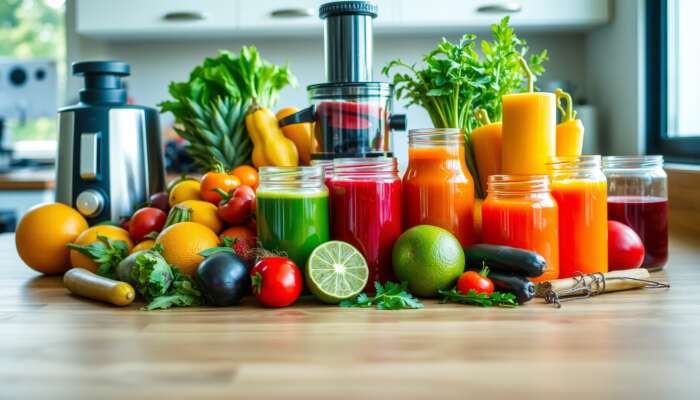
Choosing the right juicer is fundamental for anyone looking to embark on their juicing journey. With a variety of juicers on the market, each type offers distinct features tailored to different juicing requirements. Centrifugal juicers are favored for their quick operation and user-friendly design; they chop and spin fruits and vegetables at high speeds, making them exceptionally convenient for preparing juice in no time. However, these juicers might not extract the maximum amount of juice or nutrients from fibrous ingredients such as leafy greens and certain vegetables, which could be a drawback for health enthusiasts.
Conversely, masticating juicers, often referred to as cold press juicers, function at slower speeds to crush fruits and vegetables, effectively extracting juice while retaining more nutrients and enzymes. This method is ideal for those aiming to enhance their health benefits through juicing. When selecting a juicer, contemplate factors such as ease of cleaning, speed of juicing, and the variety of ingredients you intend to use. A quality juicer should align with your lifestyle and juicing objectives, enabling you to effortlessly create easy juice recipes for beginners that cater to your taste preferences.
Essential Ingredients for Delicious Juices
Embarking on your juicing adventure requires an understanding of which ingredients will yield the most delightful flavors and nutritional benefits. Start with staple fruits like apples, oranges, and pears, which are not only sweet but also easy to juice. These fruits are bursting with vitamins and antioxidants, making them a fantastic choice for any juice blend. Additionally, include vegetables such as carrots and cucumbers, which provide a refreshing taste and added health benefits, contributing to a more balanced juice.
Leafy greens like spinach and kale are superb additions to your juice repertoire, offering a wealth of nutrients. Their mild flavors blend seamlessly with fruits to create a harmonious taste profile. For those seeking to add a bit of zest to their juices, consider incorporating ginger and lemon, which not only elevate the taste but also provide numerous health advantages. Focusing on these fundamental ingredients allows you to craft easy juice recipes for beginners that are not only flavorful but also filled with essential nutrients.

Effective Preparation of Your Juicing Ingredients
Preparation is vital to achieving the highest quality juice. Begin by thoroughly washing all fruits and vegetables to eliminate any pesticides or dirt that may linger on their surfaces. For certain produce, peeling may be necessary, particularly for items like oranges or pineapples, which often possess tough skins. Additionally, cutting your ingredients into smaller pieces can facilitate a more efficient juicing process, allowing your juicer to extract juice more effectively.
Consider the order in which you feed the ingredients into your juicer. Starting with hard vegetables, such as carrots, can create a solid base for the softer fruits, enhancing the overall extraction process. Be mindful of removing any seeds or large pits, as these can potentially damage your juicer or negatively influence the flavor of your juice. Properly preparing your ingredients ensures that you maximize both the flavors and nutrients extracted, making your easy juice recipes for beginners even more enjoyable and beneficial.
Juicing Techniques for Optimal Quality
Mastering various juicing techniques can profoundly impact the quality of your juice. For example, layering your ingredients strategically can lead to a well-balanced flavor profile and optimal nutrient extraction. Begin with harder vegetables and follow with softer fruits, allowing the juicer to operate efficiently and extract more juice.
Another effective technique involves alternating between soft and hard ingredients. For instance, after juicing a cucumber, follow it up with a handful of spinach and then an apple. This method helps push the softer ingredients through the juicer, maximizing your yield. Additionally, if your juicer offers different speed settings, experimenting with slower speeds can enhance nutrient retention, resulting in a more vibrant and nutritious juice. By incorporating these techniques, your easy juice recipes for beginners will not only taste better but also deliver greater health advantages.
Best Practices for Storing Your Fresh Juice
Properly storing freshly made juice is crucial for maintaining its nutritional value and freshness. For the best taste and health benefits, consuming your juice immediately after making it is ideal. However, if you do need to store it, utilize airtight glass containers and fill them to the top to minimize exposure to air. This practice helps to preserve both the flavor and nutrients of your juice.
Refrigeration plays a key role; freshly made juice can typically last up to 72 hours in the fridge. It’s important to note that juices containing greens tend to oxidize more quickly, so it’s advisable to consume these first. For longer storage options, consider freezing your juice in ice cube trays, allowing you to use it later in smoothies or as a refreshing treat. Implementing proper storage techniques ensures that you enjoy the health benefits of your easy juice recipes for beginners for days to come.
Delicious Juice Recipes to Try
Refreshing Classic Orange Juice Recipe
One of the most iconic juice recipes that is both incredibly simple and refreshingly delicious is classic orange juice. Begin by selecting ripe, juicy oranges for optimal flavor. Slice them in half and use a juicer or manual squeezer to extract the juice efficiently. Freshly squeezed orange juice offers a delightful balance of sweetness and acidity, making it an ideal morning refreshment to kickstart your day.
To enhance the flavor profile, consider adding a splash of lemon, which provides an extra boost of vitamin C. For an elevated experience, pair the juice with a sprig of mint or a dash of ginger for a refreshing twist that tantalizes the taste buds. This classic recipe exemplifies the essence of crafting easy juice recipes for beginners, as it requires minimal effort while maximizing both taste and health benefits.
Nutritious Apple and Carrot Juice Delight
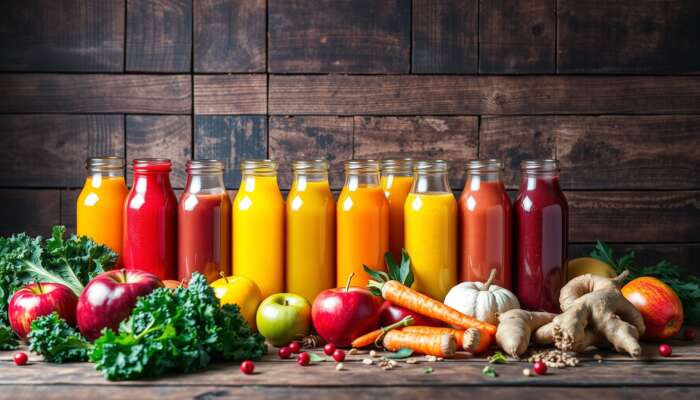
Combining the natural sweetness of apples with the earthy flavor of carrots results in a delicious and nutritious juice. Start by peeling and chopping two or three carrots, pairing them with a couple of apples—Granny Smith apples are particularly great for a tart twist. Juice these ingredients together to create a vibrant orange concoction that is as pleasing to the eye as it is to the palate.
This juice is rich in beta-carotene, which is essential for eye health, and it serves as an excellent source of fiber. To further enhance the nutritional profile, add a small piece of ginger, lending a spicy kick that aids digestion. The apple and carrot delight is a perfect illustration of how to create easy juice recipes for beginners that are both flavorful and beneficial for your health.

Invigorating Green Goodness Juice
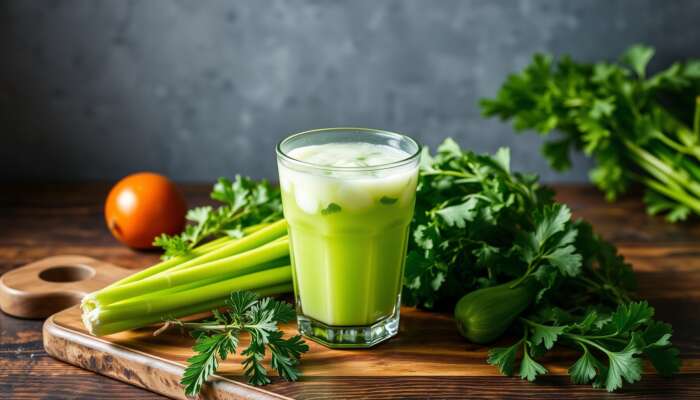
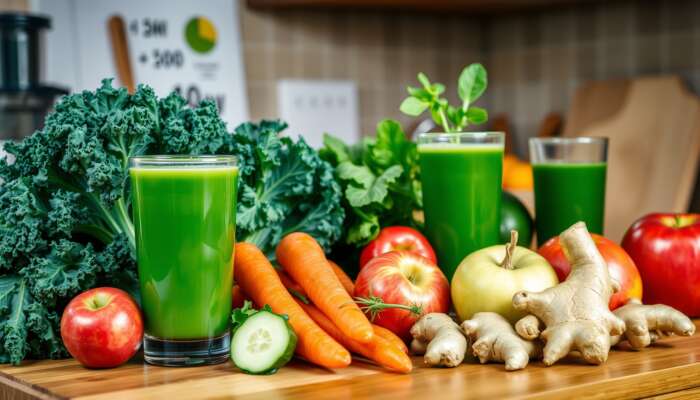
Green juices might appear intimidating, but starting with a simple juice recipe for beginners can make it more accessible. For a beginner-friendly green juice, blend fresh spinach, cucumber, and apple. The mild flavor of spinach pairs wonderfully with sweeter ingredients, while cucumber adds a refreshing element that balances the juice.
Begin by thoroughly washing all your ingredients, ensuring they are clean and free from any residues. Cut the cucumber into chunks and core the apple before juicing. The outcome is a nutrient-packed green juice rich in vitamins and minerals. If you wish to experiment further, try adding a squeeze of lemon or a handful of parsley for an extra burst of flavor and health benefits. This invigorating green goodness juice not only refreshes you but also contributes significantly to your daily vegetable intake.
Health Benefits of Juicing
Enhancing Immunity with Nutrient-Rich Juices
Your immune system acts as your body’s defense mechanism, and certain juices can significantly enhance its function. Juices that are rich in vitamin C, such as those made from citrus fruits—including oranges, grapefruits, and lemons—are particularly beneficial for bolstering immunity. Adding ginger to these juices can amplify their effects, thanks to its anti-inflammatory properties and its ability to support digestion.
To create an immunity-boosting juice, combine oranges, a piece of ginger, and a few carrots. The sweetness of the carrots will harmonize beautifully with the tartness of the citrus, resulting in a well-rounded drink that is both delicious and healthful. This combination of ingredients is packed with antioxidants that can help ward off illness and enhance your overall well-being. Incorporating such juices into your diet is an effortless way to ensure you’re enjoying easy juice recipes for beginners that support your body’s natural defenses.
Boosting Digestive Health through Juicing
A healthy digestive system is crucial for overall well-being, and certain juices can greatly assist in improving digestive health. Pineapples and papayas are packed with digestive enzymes—bromelain in pineapple and papain in papaya—that aid in breaking down proteins and promoting gut health.
To craft a digestion-friendly juice, blend together fresh pineapple, a small piece of ginger, and a handful of spinach. The sweetness of the pineapple provides a refreshing base, while the ginger adds a spicy kick, and the spinach contributes vital nutrients without overpowering the flavor. For those experiencing digestive issues, regularly incorporating these juices can serve as a delicious solution to enhance gut function and overall health.
Improving Skin Health with Nutrient-Dense Juices
Your skin often reflects your internal health, and juices rich in vitamins A and C can play a significant role in enhancing skin health. Carrots, known for their high levels of beta-carotene, combined with antioxidant-rich berries, create a powerful duo for skin nourishment.
For a skin-loving juice, blend carrots, blueberries, and a splash of lemon juice. The sweetness of the carrots offers a delightful base, while the blueberries add a burst of flavor and antioxidants that can improve skin elasticity and promote a radiant complexion. By consistently consuming easy juice recipes for beginners like this, you can foster vibrant skin from within.
Increasing Energy Levels with Energizing Juices
Feeling fatigued? Juicing can be an effective method to boost your energy levels. Incorporate energizing ingredients like beets, which are known for their ability to enhance stamina, along with leafy greens like spinach, rich in iron and essential vitamins.
A revitalizing juice could consist of beets, spinach, and an apple for a touch of natural sweetness. The earthiness of the beets, combined with the refreshing qualities of spinach, creates an energizing drink that fuels your body. This energy-boosting juice is perfect for kickstarting your day or powering through an afternoon slump. Embracing these easy juice recipes for beginners can transform your energy levels and enhance your overall vitality.
Juicing for Enhanced Energy
Nourishing Morning Energy Boost Juice
Start your day on the right foot with a morning energy boost from a nourishing juice blend. Combine ripe bananas, a handful of spinach, and a spoonful of honey for a quick and energizing drink. Bananas provide natural sugars and potassium, both essential for maintaining energy levels throughout the day.
Blend these ingredients with a splash of water or coconut water for added hydration. This juice not only delivers immediate energy but also offers sustained nourishment, making it an ideal choice for those early mornings when you need an uplifting pick-me-up. These easy juice recipes for beginners are perfect for anyone looking to enhance their morning routine and start their day positively.
Revitalizing Midday Pick-Me-Up Juice
As the afternoon rolls in, a refreshing juice can be just what you need to stay energized and focused. For a revitalizing midday pick-me-up, consider mixing beets, apples, and a splash of lemon juice. Beets are known for improving blood flow and oxygen delivery, making them an excellent choice for a quick energy boost.
To prepare, juice the beets and apples together, then add lemon juice for an uplifting zing. The combination of flavors is both satisfying and invigorating, providing a natural lift without the crash associated with sugary snacks. By incorporating such easy juice recipes for beginners into your daily routine, you ensure that you stay energized and focused throughout the day.
Pre-Workout Fuel Juice Recipe
For those gearing up for a workout, juicing can be a fantastic way to fuel your body. A pre-workout juice featuring berries and ginger can provide the essential energy boost you need. Berries are not only delicious but also packed with antioxidants, while ginger can help reduce inflammation and improve performance.
Blend together a cup of mixed berries, a small piece of ginger, and a splash of coconut water for hydration. This invigorating juice will energize you before your workout, helping to enhance performance and recovery. Preparing these easy juice recipes for beginners can significantly impact your exercise routine and overall fitness journey.
Evening Vitality Elixir Juice
After a long day, winding down with a revitalizing juice can refresh both your body and mind. An evening vitality elixir can be created with carrots, oranges, and a hint of turmeric. The sweetness of the carrots and the bright flavor of oranges together create a delightful flavor profile, while turmeric adds warmth and anti-inflammatory benefits.
Juice these ingredients together, and consider adding a pinch of black pepper to enhance the absorption of turmeric’s beneficial properties. This elixir not only replenishes your body but also allows you to enjoy a well-deserved moment of relaxation at the end of the day. Such easy juice recipes for beginners can seamlessly integrate into your evening routine, promoting overall wellness and tranquility.

Post-Workout Recovery Juice Blend
Juicing can also serve as an effective method for recovery after a workout. A nutrient-rich juice featuring pineapple, coconut water, and fresh mint can help replenish the minerals that are lost during exercise. Pineapple contains bromelain, known for its anti-inflammatory properties that aid in muscle recovery.
Blend fresh pineapple with coconut water for hydration and a dash of mint for a refreshing twist. This combination not only restores your energy but also helps soothe sore muscles, making it an excellent choice post-exercise. By including these easy juice recipes for beginners in your post-workout routine, you can enhance recovery while treating yourself to a flavorful beverage.
Seasonal Juice Inspirations
Refreshing Summer Juice Ideas
Summer is the perfect season for refreshing juices that soothe and cool the body. Watermelon, with its high water content, serves as an excellent base for a hydrating juice. Combine watermelon with fresh mint for a delightful summertime treat that is both invigorating and thirst-quenching.
To prepare, blend together chunks of watermelon and strain if desired for a smoother texture. The fresh mint adds a refreshing aroma and flavor that is perfect for hot days. Another delicious option is peach and basil juice, which brings a sweet and aromatic twist to your juice repertoire. These easy juice recipes for beginners celebrate the essence of summer, keeping you cool and hydrated during the warm months.
Comforting Winter Juice Blends
When winter arrives, warming juices can help combat the chill and provide comfort. Consider a juice featuring oranges, apples, and warming spices like cinnamon or nutmeg. The sweetness of apples combined with the bright flavor of oranges creates a cozy drink that can lift your spirits during the colder months.
To prepare, juice the oranges and apples, then sprinkle in your spices for added warmth. This combination not only offers comfort but also provides essential vitamins to help keep your immune system robust throughout the winter season. Embracing these easy juice recipes for beginners during the colder months can bring both nourishment and comfort to your diet.
All-Year-Round Versatile Juice Recipes
Certain juice recipes transcend the seasons, providing delicious and nutritious options year-round. A simple apple and carrot juice is a perfect example, as it’s easy to make and ingredients are typically available all year. The natural sweetness of apples pairs beautifully with the earthy flavors of carrots.
Juicing these ingredients creates a vibrant orange drink that’s chock-full of vitamins. You can easily customize this recipe by adding a splash of lemon or a piece of ginger for an extra zing that heightens the flavor. These easy juice recipes for beginners ensure you have refreshing options no matter the season.
Vibrant Spring Tonic Juice Recipes
Spring is synonymous with renewal and the arrival of fresh produce. Celebrate the season with juices featuring fresh strawberries, spinach, and lemon. Strawberries provide a sweet and tangy flavor that perfectly complements the mild taste of spinach.
To create this vibrant juice, blend fresh strawberries and spinach, adding lemon juice for brightness. This combination not only refreshes but also boosts your immune system as the weather changes. Incorporating these easy juice recipes for beginners into your spring routine revitalizes both your body and spirit.
Harvest Fall Favorite Juice Recipes
As autumn approaches, embrace the season’s flavors with juices featuring pumpkin, pear, and spices like cinnamon. A pumpkin spice juice can be a delightful nod to fall. Start by juicing cooked pumpkin with ripe pears and a sprinkle of cinnamon for a warm, comforting flavor that embodies the season.
This juice is not only delicious but also packed with nutrients. The combination of pumpkin and pear provides fiber, while the spices can boost your metabolism and warmth. These easy juice recipes for beginners celebrate the flavors of fall and provide warmth as the temperatures drop, making them perfect for the season.
Juicing Tips and Strategies
Maximizing Juice Yield for Greater Benefits
To make the most of your juicing experience, maximizing juice yield is essential. Begin by selecting ripe, high-quality produce, as these tend to be juicier and more flavorful. Proper washing and prepping of your ingredients also play a significant role; ensure you remove any parts that may hinder juice extraction, such as tough skins or seeds that could impede the juicing process.
Utilizing the right technique can also greatly increase yield. For instance, alternate between hard and soft ingredients while juicing. This approach helps push the softer items through the juicer, resulting in better extraction and less waste. Lastly, consider using a fine mesh strainer to extract any remaining juice from the pulp, allowing you to enjoy every drop of your easy juice recipes for beginners without missing out on nutrients.
Properly Storing Your Fresh Juice
The proper storage of your freshly made juice is crucial for maintaining its taste and nutritional value. After juicing, transfer the juice into airtight containers to limit oxidation and prevent spoilage. Glass containers are preferred as they keep the juice fresh longer than plastic alternatives.
Refrigeration is key; fresh juice can typically last up to 72 hours in the fridge, but it’s best to consume it as soon as possible for optimal flavor and benefits. If you wish to store juice for a longer duration, consider freezing it in ice cube trays. This method allows you to use it later in smoothies or other recipes without compromising quality. Following these tips ensures that your easy juice recipes for beginners remain delicious and nutritious for longer periods.
Effective Cleaning Techniques for Your Juicer
Cleaning your juicer promptly after use is essential to maintain its longevity and performance. Start by disassembling all removable parts and rinsing them thoroughly under warm water. While most juicer components are dishwasher safe, it’s always wise to check the manufacturer’s instructions before proceeding.
To tackle stubborn pulp and residues, soak the parts in warm water mixed with a splash of vinegar or lemon juice. Using a soft brush can help clean out hard-to-reach areas that may harbor remnants. Regular maintenance will prevent clogs and ensure your juicer operates efficiently. By keeping your juicer clean, you’ll be more inclined to enjoy creating easy juice recipes for beginners without the hassle of cleaning.
Avoiding Common Juicing Pitfalls
Preventing Overloading Your Juicer
One common mistake that beginners often make is overloading the juicer, which can lead to poor extraction and even damage to the machine. Always adhere to your juicer’s specifications regarding the amount of produce to process at once. Start with smaller batches; this not only prevents strain on the machine but also allows for better juice quality and extraction.
Pay attention to the juicing order; feed softer ingredients after harder ones to enhance the extraction process. Taking these precautions will lead to smoother operation, ensuring your experience with easy juice recipes for beginners is enjoyable and efficient.
Creating a Balanced Flavor Profile
Crafting a balanced juice is crucial for an enjoyable flavor experience. Beginners often make the error of using an excess of sweet fruits without balancing them with other flavor profiles. For instance, if you’re using sweet apples, consider incorporating a tart ingredient like lemon or a vegetable such as cucumber to create a harmonious blend.
Experimenting with different combinations can help you uncover your unique flavor preferences. Striving for a balance of sweet, bitter, and tangy will enhance your juicing experience and ensure your easy juice recipes for beginners are both delicious and satisfying to drink.
Selecting the Best Ingredients for Juicing
Choosing the best ingredients for your juice recipes is vital for achieving both flavor and nutritional benefits. Beginners often focus solely on fruits, overlooking the plethora of vegetables that can elevate their juices. Incorporating leafy greens, beets, and ginger can add depth and health advantages that fruits alone might lack.
Additionally, consider using seasonal produce to maximize flavor and freshness. Utilizing local ingredients not only supports your community but also ensures that your juices are packed with nutrients. By selecting the right ingredients, you can create easy juice recipes for beginners that are both delightful and wholesome.
Frequently Asked Questions About Juicing
What are the best fruits for beginners to use in juicing?
Fruits that are beginner-friendly include apples, oranges, and pears, well-known for their sweetness and juiciness. These fruits blend seamlessly and offer essential nutrients, making them perfect for easy juice recipes for beginners.
Can I use frozen fruits for juicing?
Certainly! Frozen fruits can be used for juicing. They are typically frozen at peak ripeness, retaining their nutrients and flavors, which makes them a convenient option for creating refreshing juice blends.
How long does fresh juice last in the refrigerator?
Freshly made juice can last up to 72 hours in the refrigerator when stored in airtight containers. To maintain quality and flavor, it’s best to consume it as soon as possible.
What’s the difference between centrifugal and masticating juicers?
Centrifugal juicers operate at high speeds, providing quick juice extraction but may not preserve nutrients as effectively as masticating juicers, which work at slower speeds to extract juice while retaining more vitamins and enzymes.
How can I make my juice taste better?
To enhance flavor, experiment with balancing sweet and tart ingredients. Adding herbs like mint or spices such as ginger can significantly elevate the taste of your juices, making them more enjoyable.
Is it necessary to peel fruits and vegetables before juicing?
It depends on the fruit or vegetable. Peeling is often recommended for items with tough skins, like oranges or pineapples. However, many fruits and vegetables can be juiced with their skins intact to retain added nutrients.
Can I juice greens like kale or spinach?
Absolutely! Leafy greens like kale and spinach are excellent for juicing, providing a wealth of nutrients and vibrant color to your juice. They blend well with fruits to create delicious flavors.
What should I do with leftover pulp from juicing?
Leftover pulp can be creatively utilized in various recipes, such as smoothies, soups, or baked goods. This approach reduces waste and incorporates additional fiber into your meals, making it a win-win situation.
How do I clean my juicer effectively?
Disassemble the juicer and rinse all components under warm water. Soaking them in a solution of vinegar and water can help remove stubborn pulp and residues. Regular cleaning ensures optimal performance and longevity of your juicer.
Can juicing help with weight loss?
Juicing can be a beneficial part of a weight loss plan when combined with a balanced diet. It allows for increased nutrient intake and can serve as a low-calorie option when made with the right ingredients, supporting your weight management goals.



Your exploration of the various juicers available on the market speaks to a pivotal aspect of the juicing journey—understanding that the right equipment can profoundly impact both the quality of juice and the overall experience. As someone who began their juicing adventure using a basic centrifugal juicer, I can definitely relate to the convenience it offers, especially when you’re just starting out. The rapid juicing process is inviting, particularly for busy lifestyles. However, as I continued my juicing exploration, I quickly realized the drawbacks you mentioned regarding the nutrient retention.
Your guide does an excellent job of highlighting the key differences between centrifugal and masticating juicers. In considering my own juicing journey, I’ve found that the choice of juicer profoundly impacts the experience and results. While I started with a centrifugal juicer for its convenience, I quickly realized that I was missing out on the vibrant flavors and nutritional benefits of leafy greens.
I’ve been diving into juicing lately, and I totally agree that picking the right juicer can make such a difference! I started with a centrifugal juicer because I was drawn to the convenience factor. It’s quick and easy when I’m on the go, which is perfect for my busy mornings. But I did notice that my leafy greens never seemed to yield quite as much juice as I expected.
I really appreciate your thorough breakdown of the different types of juicers. It’s fascinating to see how a simple kitchen appliance can have such a significant impact on our health and lifestyle choices. When I first ventured into juicing, I was overwhelmed by the options available, and I ended up choosing a centrifugal juicer because of its convenience. Initially, I loved the quick prep time it offered, but after a while, I realized that I wasn’t getting the most out of my leafy greens, which is ultimately what I wanted for maximum nutritional benefits.
I’ve been really getting into juicing lately, and your post hits the nail on the head regarding the differences between centrifugal and masticating juicers. I initially started with a centrifugal juicer because it was so quick and easy to use, which I loved for my busy mornings. However, I soon realized I was missing out on the vibrant flavors and nutrients that come from a masticating juicer. The juice from my new machine has such a rich texture and flavor!
I really appreciate how you’ve broken down the different types of juicers and their respective benefits. It’s true that choosing the right juicer can feel overwhelming, especially for beginners who are just dipping their toes into the world of juicing. I remember when I first started, I was torn between getting a centrifugal juicer for its speed and convenience versus a masticating juicer for its health benefits. Ultimately, I made the leap to a masticating juicer, and I’m glad I did! The flavor of the juice has a depth I didn’t expect, especially when using greens like kale and spinach.
I get what you’re saying about the juicer dilemma—it’s like trying to choose between a sports car and a cozy hammock. Speed is tempting, but then you start thinking about the health benefits, like the way a masticating juicer can really coax out those vibrant flavors. It’s kind of like the difference between a fast food burger and a gourmet one—you know which one is better for your taste buds and probably your body, even if the quick fix is calling your name.
Your exploration of juicer types highlights a crucial decision for anyone keen on juicing. I can personally vouch for the benefits of using a masticating juicer, especially when it comes to extracting the most nutrients from those fibrous greens like kale and spinach. Making a delicious green juice has become a morning ritual for me, and I’ve noticed how the slower extraction process really enhances the flavor and nutritional profile of my drinks.
It’s fascinating to consider how the choice of juicer reflects our individual health journeys and priorities. For me, investing in a masticating juicer was a game-changer—I love how it maximizes the nutrients in my leafy green juices. There’s something satisfying about knowing that I’m getting the most out of what I put into my body.
I completely relate to how choosing the right juicer can reflect our individual health journeys. Investing in a masticating juicer does seem like a thoughtful decision for anyone looking to maximize their nutrient intake. I’ve found that the slow juicing process often leads to a richer, more vibrant flavor in the juices too, which makes the whole experience even more enjoyable.
You brought up some great points about masticating juicers and the whole health journey we’re on. It’s interesting how the choice of equipment can play a big role in our day-to-day decisions about nutrition. The slow juicing process really does allow for deeper flavors and richer textures. I’ve noticed that the juices feel more alive, like they’re carrying a bit of the vibe from the fruits and veggies themselves.
This is an insightful overview of the juicer landscape. I find the comparison between centrifugal and masticating juicers particularly useful, as it highlights not just functionality but also the nutritional trade-offs. When I first started juicing, I opted for a centrifugal juicer because of its convenience, but I soon realized I was missing out on the richer flavors and nutrients that masticating juicers preserve, especially with leafy greens and herbs.
I appreciate the detailed breakdown of juicer types! I’ve been on my own juicing journey for a few months now, and I initially opted for a centrifugal juicer due to its speed. While it definitely caters to my busy lifestyle, I found that I was left wanting more nutrient density in my juices, especially when I started experimenting with kale and spinach. Switching to a masticating juicer has really changed my perspective on what fresh juice can be. The taste is richer, and I love knowing I’m getting maximum nutrients.
It sounds like you’ve really found the right fit for your juicing journey with the masticating juicer. The difference in nutrient density can be quite noticeable, especially with greens like kale and spinach. I remember making the switch myself and being surprised by the richness of flavor. It’s fascinating how much the method of extraction can impact not just the health benefits, but also the overall taste experience.
I’ve found that the choice between centrifugal and masticating juicers really speaks to our larger relationship with food and health. When I first started juicing, I gravitated toward the centrifugal juicer for its speed—perfect for my busy mornings. However, it wasn’t long before I noticed the difference in nutrient retention when I switched to a masticating juicer. The flavor and vibrant color of the juice just felt more alive.
It’s interesting how the choice of juicer can really shape our juicing experience. I’ve found that while my centrifugal juicer makes it incredibly quick to whip up a morning juice, I often end up with a lot of leftover pulp that feels like waste. Switching to a masticating juicer, I was surprised at how much more flavorful and nutrient-dense my juices became, particularly with leafy greens like kale and spinach.
I appreciate your insight into the different types of juicers and their respective benefits. As someone who started juicing a few months ago, I initially opted for a centrifugal juicer due to its speed and convenience. I loved how quickly I could whip up a juice, especially when I felt rushed in the mornings. However, I soon noticed that my green juices didn’t taste as vibrant as I had hoped, and I felt like I was missing out on some of the nutritional benefits, particularly from leafy greens.
You make some solid points about the different types of juicers! I have to say, I tried a centrifugal juicer once, and it was like a fruit blender on speed—great for a quick fix but it left me feeling a bit… underwhelmed in terms of nutrient content. I always think of my leafy greens as the “overachievers” of the veggie world; they deserve the masticating treatment. It’s like giving them a cozy spa day instead of a whirlwind tour!
I love the way you’ve broken down the juicer types! It’s like choosing between a speedy sports car and a trusty old SUV: one zips you through the juice-making process, while the other takes its time to deliver those nutrient-rich smoothie vibes. I once had a masticating juicer that seemed to take longer to clean than to actually juice—guess it wanted to ensure I truly committed to my health goals! 🤔🥬
I really appreciate the insights you’ve shared on choosing the right juicer; it’s such an essential first step for anyone looking to get into juicing. A few years ago, I found myself in the same dilemma as beginner juicer trying to decide between a centrifugal and a masticating juicer. I eventually went for a masticating model because I wanted to maximize the nutrition in my juices, especially since I was incorporating a lot of leafy greens into my diet. It’s been a game-changer!
Your insights on the different types of juicers truly lay the groundwork for those new to juicing, and it touches on an increasingly relevant topic in today’s health-conscious culture. As someone who has journeyed through various juicing experiences over the past few years, I’ve found that the choice of juicer can really influence not just the taste but also the overall nutrient profile of the juices we create.
It’s interesting to see the distinctions between centrifugal and masticating juicers highlighted, especially considering how they cater to different juicing goals. Personally, I’ve found that while centrifugal juicers are great for spur-of-the-moment juice cravings, I’ve had better results with a masticating juicer when it comes to leafy greens and nutrient retention.