


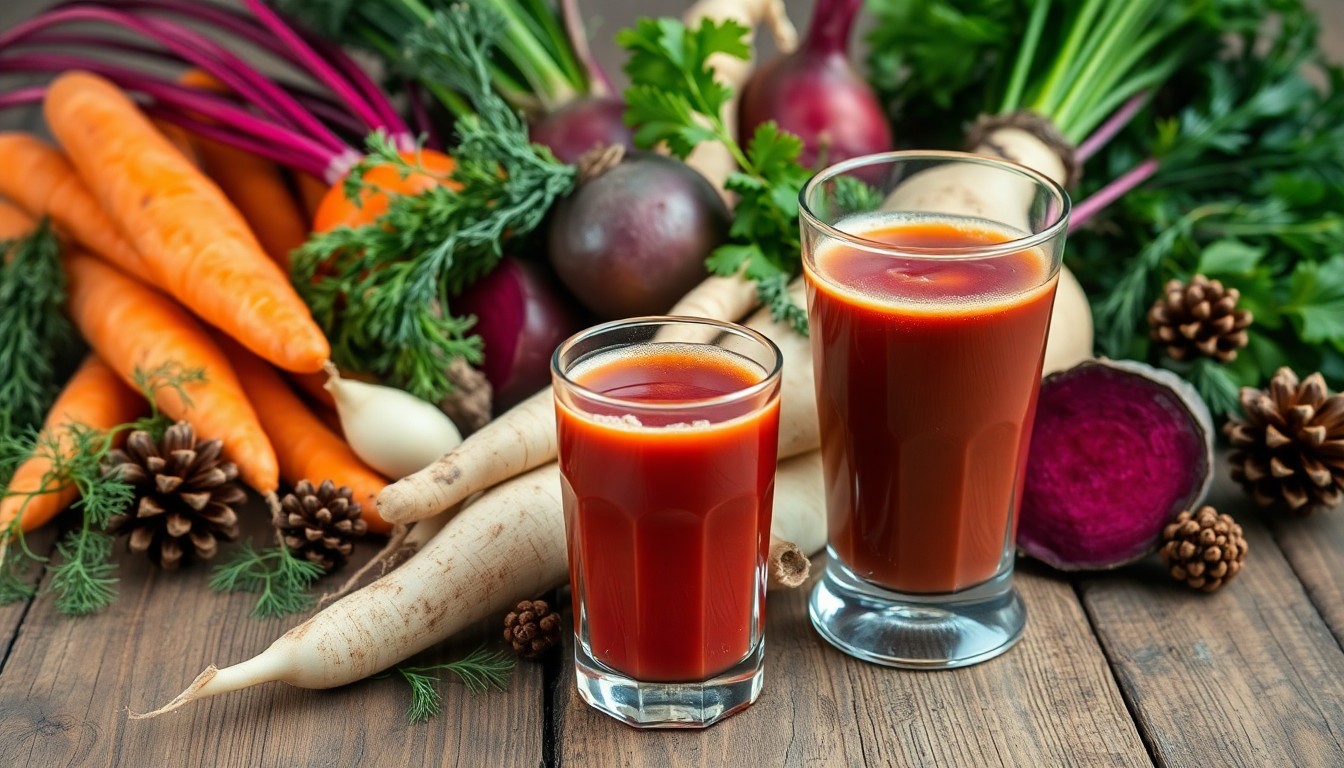
Choosing the Perfect Winter Roots for Juicing
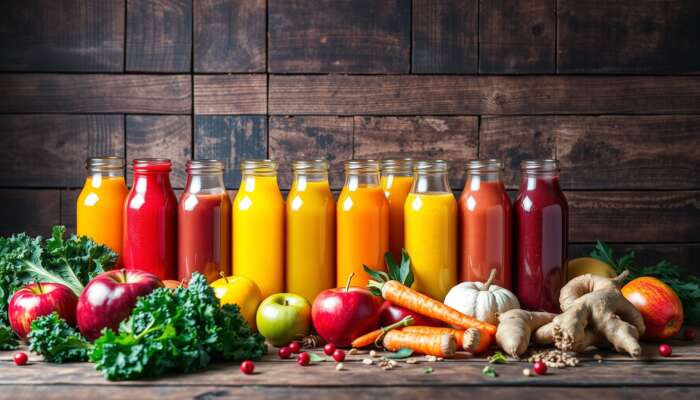
Selecting the optimal winter roots for juicing is much like uncovering precious gems from a treasure trove. The striking colors and resilient texture of these roots are not just signs of freshness; they also promise a rich tapestry of flavors and a plethora of nutrients waiting to be discovered. During the colder months, when many other produce options dwindle, winter roots such as beets, carrots, and parsnips flourish, delivering their robust sweetness and distinctive traits to your juice blends. Grasping the nuances of this bountiful selection will elevate your juicing experience, ensuring that every sip nourishes both body and spirit.
How to Spot Fresh Winter Produce for Juicing
When you embark on a journey to your local farmers’ markets or grocery stores, the first crucial step in juicing with winter roots is identifying the freshest produce available. Seek out roots that feel firm to the touch and are devoid of any blemishes or soft spots. These indicators are often telltale signs of the root’s overall quality and juiciness. Vivid colors are another indicator; for example, a rich crimson beet or a vibrant orange carrot signifies that the vegetable is brimming with nutrients and flavor.
Additionally, the aroma can serve as a strong indicator of freshness. Roots that give off a subtle earthy scent suggest they have been freshly harvested. In contrast, a musty or overly sweet smell may hint at spoilage. Don’t hesitate to engage the vendor in conversation about the harvest date; many are eager to share such insights about their products. This personal interaction enriches your juicing adventure, making it more meaningful as you bring these roots into your kitchen.
Incorporating seasonal and local produce is an excellent strategy for amplifying the flavor and nutritional value of your juices. Every region has its own unique cycle of seasonal roots. From the sweet, earthy flavors of the North American sweet potato to the nutty essence of the Japanese daikon radish, recognizing local varieties will not only deepen your juice’s flavor but also promote local agricultural practices.

Diving Into the Diversity of Root Varieties
The realm of winter roots is as varied as it is scrumptious. Each type brings unique characteristics that can elevate your juices to new culinary heights. Beets are celebrated for their vibrant color and earthy sweetness, known for their high nitrate content, which can enhance blood flow and reduce blood pressure. Meanwhile, carrots offer a sweet, crisp taste and are loaded with beta-carotene, converting to vitamin A in the body, thus supporting vision and skin health.
Parsnips, though less common, are equally valuable, contributing a sweet, nutty flavor that adds depth to your juices. Their unique profile is often blended with more traditional roots to create a flavorful medley. Radishes, especially varieties like the daikon, can impart a spicy, peppery zing that balances the sweetness of other roots. Recognizing these distinctions empowers you to craft juices that are not only tasty but also aligned with your nutritional objectives.
Experimenting with various combinations can yield delightful results. For example, mixing beets with ginger introduces a zesty contrast to the earthiness of beets while amplifying their health benefits. The secret lies in understanding the unique flavor profiles and health advantages of each root, enabling you to design your own distinctive winter root juice blends.
Maximizing Seasonal Availability for Optimal Juicing
Embracing the seasonal availability of winter roots is vital for crafting juices that are bursting with flavor and nutrients. In numerous regions, the harvest season for roots kicks off in late fall and extends through early spring, marking this as the prime time to relish their health benefits. Root vegetables typically have a longer storage life than more delicate produce, ensuring their availability even during the coldest months.
When mapping out your juicing endeavors, consider visiting local farmers’ markets or specialty grocery stores that emphasize seasonal produce. These markets frequently offer a broader selection of roots than standard stores, as vendors stock freshly harvested items. This not only guarantees peak flavor but also supports sustainable farming methodologies.
Furthermore, being aware of when specific roots are at their peak allows you to curate your recipes effectively. For instance, beets are generally in season from late fall to early spring, while carrots can be harvested all year round in many areas. By syncing your juicing projects with seasonal availability, you can tap into the natural sweetness and earthiness of winter roots, creating juices that are both delicious and health-promoting.
Essential Steps for Preparing Winter Roots for Juicing
Preparing your winter roots for juicing is a critical phase that significantly impacts the quality and taste of your final product. Proper preparation not only intensifies flavor but also ensures that you are extracting the maximum nutritional benefits from these resilient vegetables. From washing to chopping, every step in the preparation journey plays a vital role in juicing with winter roots.
Thorough Washing and Cleaning Techniques
Before diving into the juicing process, it is imperative to thoroughly wash your winter roots. Despite their rugged exteriors, these vegetables can harbor dirt, pesticides, and contaminants from the soil. Rinse each root under cool running water and gently scrub with a vegetable brush to eliminate any stubborn soil. This step is essential for roots like beets and carrots, which are notorious for retaining dirt in their nooks and crannies.
Ensuring that your roots are clean is crucial for preserving the purity of your juice. Any lingering dirt can impart an unpleasant taste to your drink. Additionally, washing your roots helps remove any wax coatings often applied to vegetables for aesthetic appeal and preservation. By dedicating time to wash and clean your winter roots, you elevate the quality of your juice, allowing the authentic flavors of the vegetables to shine through.
In various regions, organic produce may be accessible, which can alleviate concerns regarding pesticide residues. Organic roots are often fresher and boast a more robust flavor, adding another layer of richness to your juices. Remember, the cleaner the roots, the superior the juice.
Peeling and Chopping for Optimal Flavor
Once your winter roots are clean, the subsequent step is peeling and chopping. For certain roots like carrots and beets, peeling can enhance flavor by removing the outer skin, which may sometimes carry bitterness. However, many choose to leave the skins on when using organic produce, as they are rich in nutrients. If you are uncertain, consider cutting a small piece from the root to conduct a taste test and gauge the difference.
When chopping, strive for uniform pieces that will fit smoothly into your juicer. This not only expedites the juicing process but also guarantees a more consistent extraction. For denser roots, such as parsnips or beets, consider chopping them into smaller chunks to facilitate your juicer’s efficiency. A well-prepared root will yield more juice and ensure you’re maximizing the nutrition from your produce.
Moreover, effective chopping can influence the flavor balance in your juice. For instance, pairing smaller, sweeter pieces of carrot with larger chunks of earthier roots like beets can create a harmonious blend of flavors. This balancing act is part of what makes crafting winter root juices an artistic endeavor, allowing you to experiment with both flavor and texture.
Removing Inedible Parts for a Cleaner Juice
As you embark on the journey of juicing with winter roots, it is equally crucial to remove any inedible parts of the roots before juicing. This includes trimming any stems, leaves, or tough ends that could introduce bitterness to your juice. For example, the greens of beets, while nutritious, can impart a strong flavor that may not be desirable in every juice blend.
Investing time in properly preparing your roots will pay dividends in the quality of your final product. A clean, well-prepped root will yield a juice that is smooth and flavorful, whereas including undesirable parts can result in a drink that is unpleasant and off-putting.
For roots like parsnips, it’s vital to peel away any dark spots or blemishes that may signal spoilage. This attention to detail might seem
trivial, but it can significantly affect the overall quality of your juice. By treating each winter root with care, you respect the produce and ensure an enjoyable juice experience.
Effective Juicing Techniques for Winter Roots
Mastering the art of juicing winter roots involves understanding the various techniques that can be employed to extract maximum flavor and nutrients. Each method offers distinct advantages, allowing you to tailor your approach based on the equipment available and your personal preferences. Whether you’re an experienced juicer or just starting, learning these techniques will enrich your experience in juicing with winter roots.
Maximizing Efficiency with a Juicer
For those equipped with a juicer, the process can be both efficient and rewarding. Begin by adhering to the manufacturer’s guidelines to ensure you’re using your machine optimally. Each juicer features unique settings and capabilities, so comprehending these can significantly impact juice yield. For instance, masticating juicers are recognized for producing high-quality juice with minimal oxidation, while centrifugal juicers operate more quickly but may introduce extra air into the juice.
When operating your juicer, feed the winter roots in gradually to prevent clogging. Start with softer roots like carrots before transitioning to sturdier ones like beets or parsnips. This method ensures that the juicer functions effectively without straining the machine. Experimenting with different combinations of roots and fruits can unveil new flavors, allowing you to adjust the texture to suit your palate.
Moreover, consider the order of ingredients. Juicing leafy greens before roots can help push through harder vegetables, maximizing juice extraction. The synergy of different roots can result in a juice that is not only rich in flavor but also visually appealing, turning your beverage into a feast for the senses.
Blending and Straining for a Different Approach
If a juicer is not at your disposal, you can still experience the benefits of winter roots by utilizing a blender. Start by chopping the roots into smaller pieces and adding them to the blender with a splash of water. This will facilitate smoother blending and help the blades move more efficiently.
Once blended, employ a fine mesh strainer or cheesecloth to separate the juice from the pulp. Pressing down on the pulp with a spoon can aid in extracting additional juice, ensuring that you don’t lose any valuable nutrients. This technique provides a more hands-on approach, granting you control over the consistency and texture of your juice.
Blending and straining also allows for creative flavor combinations. Consider incorporating fruits like apples or citrus into the blend to enhance sweetness and brightness. This method opens up a world of possibilities, enabling you to create custom juice recipes that align with your taste and health aspirations.
Enhancing Flavor by Combining Ingredients
Merging winter roots with other ingredients is an excellent strategy for elevating your juice experience. Combining roots with fruits can help balance flavors, introducing sweetness and brightness that complements the earthy tones of roots like beets and parsnips. For instance, pairing beets with oranges or apples can yield a refreshing juice that is both revitalizing and nutritious.
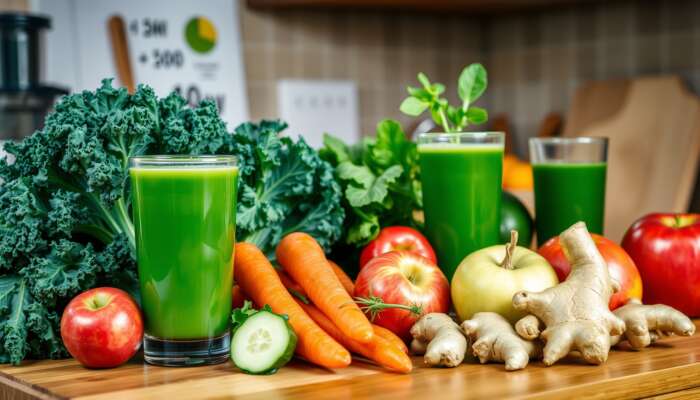
Incorporating leafy greens can further enrich the nutritional profile of your juice, adding vital vitamins and minerals. Spinach, kale, or even Swiss chard can blend seamlessly with winter roots, contributing to a colorful, nutrient-packed juice. Experimentation is crucial; don’t hesitate to explore various combinations to discover what resonates with your taste preferences.
Remember that balancing flavors is key. If your juice leans too heavily towards earthiness, adding a dash of citrus can brighten its profile. Conversely, if the juice is overly sweet, consider introducing a bit of ginger or a squeeze of lemon to create a more nuanced flavor that tantalizes your taste buds.
Thoroughly Preparing Winter Roots for Juicing
As you prepare your winter roots, it is essential to focus on washing, peeling, and chopping meticulously. Ensuring that each root is properly cleaned prevents any residual dirt or grit from impacting the purity of your juice. Take your time during this phase, as it sets the foundation for the quality of the final product.
Peeling roots can enhance their flavor, especially for those with tougher skin. While some opt to retain the skins for added nutrients, peeling can help mitigate any bitterness. When chopping, aim for uniform pieces that facilitate efficient juicing while maintaining the integrity of the juice’s taste.
Paying attention to the inedible portions of the roots is crucial, as these can introduce unwanted flavors. Trimming away any tough stems or blemishes ensures that your juice remains smooth and enjoyable. Each step in preparing your winter roots contributes to a rewarding experience, culminating in a delightful juice you can truly savor.
Properly Storing Fresh Juice for Optimal Freshness
Once you’ve crafted your winter root juice, proper storage is vital for maintaining its freshness and nutritional value. To safeguard the vibrant flavors and health benefits, store your juice in airtight containers. Glass jars with secure lids are ideal, as they minimize air exposure, which can lead to oxidation.
Aim to consume your juice within 24-48 hours for peak freshness. The longer juice sits, the more nutrients can degrade, diminishing its health benefits. If you find yourself with excess juice, consider freezing portions in ice cube trays for later use. This method allows you to enjoy your creations without sacrificing quality.
For those who engage in meal prepping, storing juice in smaller containers can simplify access throughout the week. By planning ahead, you ensure that you always have a nutritious option ready, supporting your health goals even on the busiest days.
Enhancing Flavor and Nutritional Value of Your Juices
Enhancing the flavor and nutritional profile of your winter root juices is an exhilarating aspect of the juicing process. By incorporating a variety of ingredients and techniques, you can create an array of flavors that cater to your personal preferences and health requirements. Each juice can offer a unique experience, nourishing and delighting you with every sip.
Infusing Spices and Herbs for a Flavor Boost
Incorporating spices and herbs into your winter root juices can elevate a simple drink into a complex medley of flavors. For example, adding ginger can introduce a warming spice that pairs exquisitely with the earthiness of beets or carrots. Renowned for its anti-inflammatory properties, ginger not only enhances flavor but also offers health benefits that can improve your overall well-being.
Mint is another fantastic herb to refresh and brighten juices, creating a lively contrast to the deeper flavors of winter roots. Simply muddling a few mint leaves prior to blending your juice can infuse the drink with a delightful aroma and taste. This herb is particularly effective when combined with citrus roots, as it provides a refreshing note that balances sweetness with zest.
Experimenting with other spices like cinnamon or nutmeg can also elevate your winter root juices, bringing warmth and depth. These spices not only enrich flavor but also deliver additional health benefits, such as improved digestion and metabolic support. By thinking creatively and incorporating a variety of spices and herbs, you can craft juices that are not only nourishing but also exciting to consume.
Achieving the Perfect Balance of Sweetness and Tartness
Striking the perfect balance of sweetness and tartness is essential in crafting delicious winter root juices. The inherent sweetness of roots like beets and carrots can occasionally overwhelm the palate, making it important to introduce tart elements to create a harmonious blend. Citrus fruits, such as lemons, limes, or grapefruits, serve as excellent options for adding a zesty kick that counterbalances sweetness.
When experimenting with fruit combinations, consider the order of ingredients. For example, adding citrus to the blender before the sweeter roots can facilitate more effective flavor balance. Similarly, incorporating tart apples or cranberries can enhance the complexity of your juice, adding layers of flavor that tantalize your taste buds.
Finding the right balance is a personal journey, and tasting as you go is crucial. Adjusting the proportions of sweet and tart ingredients allows you to create a juice that resonates with your individual preferences. This mindful approach to juicing can lead to delightful discoveries, ensuring that each glass you pour is both enjoyable and nutritious.
Maximizing Nutrient Retention in Your Juices
To fully harness the benefits of winter root juice, it is essential to maximize nutrient retention throughout the juicing process. One effective strategy is to juice immediately after cutting your roots, as exposure to air and light can lead to nutrient degradation. The longer juice sits, the more vitamins and minerals may diminish, so timing is of the essence.
Employing methods that minimize heat generation can also preserve the nutrients within your roots. Cold-pressed juicing techniques, for example, utilize hydraulic pressure to extract juice without generating heat, resulting in a higher-quality product. This method maintains enzymes and nutrients that may be compromised during conventional juicing processes.
Moreover, proper storage of your juice post-juicing is essential for nutrient preservation. Keeping juice in airtight containers and refrigerating it promptly can help reduce oxidation, maintaining its flavor and health benefits for an extended period. By adopting these practices, you can ensure that every sip of your winter root juice is packed with the nutrients necessary for your vitality.
Incorporating Superfoods for Enhanced Benefits
Integrating superfoods can significantly elevate your winter root juices, adding not only flavor but also a potent nutrient boost. Ingredients like chia seeds, spirulina, or flaxseeds can be effortlessly added to your juice, enriching its health advantages. For example, chia seeds are loaded with omega-3 fatty acids and fiber, which can support digestion and promote heart health.
Spirulina, a blue-green algae, is recognized for its high protein content and an impressive array of vitamins and minerals. When blended into root juices, it introduces a nutrient-dense element without overwhelming the flavor. A modest quantity can transform your juice into a supercharged drink that bolsters energy levels and overall wellness.
When incorporating these superfoods, balancing flavors is crucial. Adding a sweet fruit or a hint of citrus can help mask any strong tastes from the superfoods, ensuring a well-rounded juice that is enjoyable to consume. The versatility of winter roots allows for experimentation, helping you discover ideal combinations that align with your health goals while pleasing your palate.
Utilizing Cold-Pressed Techniques for Superior Quality
Cold-pressed juicing stands out as an optimal method for extracting the maximum nutrients from your winter roots. This technique relies on pressure rather than heat to extract juice, significantly reducing oxidation and preserving the vitamins and enzymes that can be lost in conventional methods. The result is a fresher, nutrient-dense juice that retains its vibrant flavors.
The cold-pressed juicing process involves grinding the roots into a pulp and then applying pressure to extract the juice. This method yields higher juice amounts and richer flavors, making it the preferred choice for those aiming to maximize the health benefits of winter roots.
Furthermore, cold-pressed juices tend to have a longer shelf life, making them ideal for meal prep. However, for the best experience, it is still advisable to consume your cold-pressed juices within a few days. By embracing cold-pressed techniques, you ensure that your winter root juices are not only delicious but also loaded with the nutrients your body craves.
Effective Strategies for Storing and Preserving Winter Root Juice
Proper storage and preservation of your winter root juice are essential for maintaining its freshness and nutritional value. With the right techniques, you can ensure that your juice remains vibrant and delicious, ready to nourish you throughout the week. Here are some critical tips for effectively storing your juices.
Refrigeration Best Practices
Once your winter root juice is prepared, refrigeration plays a pivotal role in preserving its quality. Store your juice in airtight containers, ideally glass jars with tight-fitting lids, to prevent exposure to air and light. This practice minimizes oxidation, which can lead to a decline in flavor and nutrients.
Strive to consume your juice within 72 hours for optimal taste and health benefits. While refrigeration can prolong the life of your juice, it is at its best when enjoyed fresh. For those who prefer to make larger batches, consider dividing the juice into smaller portions to keep the main batch sealed until you’re ready to enjoy it.
When refrigerating, be attentive to the temperature settings in your fridge. Keeping your juice on a middle shelf, where temperatures are more stable, will contribute to its longevity. By adhering to these tips, you can relish the freshness of your winter root juice for several days, bolstering your health and wellness aspirations.
Freezing Your Juice for Extended Storage
Freezing your winter root juice is an excellent alternative for long-term storage without compromising quality. To execute this, pour your juice into ice cube trays, creating convenient, portion-sized cubes that can be utilized later. Once frozen, transfer the cubes to a resealable plastic bag or airtight container for easy access.
Frozen juice cubes can be a fantastic addition to smoothies, soups, or even enjoyed as a refreshing snack on their own. As they thaw, they can also rehydrate dishes or drinks, providing a burst of flavor while ensuring that none of your hard work is wasted.
When it comes time to thaw your juice, avoid using a microwave, as this can introduce heat and compromise nutrient retention. Instead, place the cubes in the refrigerator overnight or allow them to thaw at room temperature for a few hours. This method preserves the integrity of the juice, ensuring that you continue to reap the health benefits from your winter roots.
Preventing Oxidation for Freshness
Oxidation poses a significant threat to the freshness and nutritional quality of your winter root juice. To combat this, minimize air exposure by utilizing vacuum-sealed containers specifically designed for juice storage. These containers create a tight seal that helps prevent oxidation, extending the shelf life of your juice.
Another effective strategy is to fill your containers to the brim before sealing them. This reduces the amount of air in the container, further minimizing oxidation. If you observe that your juice has begun to separate, a gentle shake before consumption is perfectly acceptable; this re-blends the ingredients without compromising quality.
Furthermore, adding a splash of lemon juice to your winter root juice can inhibit the oxidation process. The citric acid in lemon acts as a natural preservative, helping maintain the juice’s vibrant color and nutritional content. By implementing these techniques, you can ensure that your winter root juices remain fresh and flavorful, ready to nourish you whenever needed.

Exploring the Health Benefits of Winter Root Juices
The health benefits of incorporating winter root juices into your diet are both significant and varied. Each root offers its own unique set of advantages, making them essential for supporting overall health and wellness. Understanding these benefits can inspire individuals to include these nutrient-packed drinks in their daily routines.
Strengthening Your Immune System
Winter roots such as beets and carrots are abundant in vitamins and antioxidants that bolster immune health. Beets, for instance, are rich in vitamin C, known for its role in enhancing immune function and protecting against illness. Carrots, with their plentiful beta-carotene, are also critical for immune support by promoting the health of mucous membranes, which are vital in fending off pathogens.
Incorporating a variety of winter root juices into your diet can serve as a powerful boost to your immune system, particularly during the colder months when colds and flu are rampant. By consuming nutrient-dense juices, you equip your body with the tools it needs to combat infections and maintain overall health.
Additionally, antioxidants found in winter roots help mitigate oxidative stress, which can compromise the immune system. Including these juices in your diet serves as a delightful and effective means to fortify your body against illness while promoting long-term health.
Promoting Digestive Health
The fiber content in winter root juices plays a crucial role in enhancing digestive health. Juicing roots like carrots and beets can improve gut function by encouraging regular bowel movements and minimizing constipation. The fiber acts as a natural scrubber, aiding in cleansing the digestive tract and supporting overall gut health.
Moreover, the natural sugars present in winter roots provide a rapid source of energy that can benefit digestion. Juices that combine roots with digestive-supporting ingredients such as ginger or mint can further enhance digestive health by soothing the stomach and encouraging healthy enzyme production.
Regularly consuming winter root juices can lead to improved digestion and nutrient absorption. By incorporating these flavorful drinks into your daily regimen, you can bolster your digestive health while enjoying the wonderful flavors that winter roots provide.
Enhancing Skin Health Through Nutrient-Rich Juices
The antioxidants found in winter roots contribute to clearer, healthier skin. Beets, for example, are rich in betalains, which possess anti-inflammatory properties that can help reduce redness and irritation. Carrots, loaded with beta-carotene, can help enhance skin tone and elasticity while providing a natural glow.
When consumed regularly, winter root juices can promote hydration and nourishment for the skin. The vitamins and minerals present in these roots play a significant role in cellular regeneration, helping to maintain youthful and vibrant skin.
In addition to drinking winter root juices, you might consider applying fresh juice topically for added benefits. Many health enthusiasts advocate using beet juice as a natural dye for cheeks or as a facial treatment for a healthy flush. By recognizing the skin benefits of winter roots, you can adopt a holistic approach to skin health, nourishing from both the inside out and outside in.
Supporting Cardiovascular Wellness
One of the most remarkable health benefits of winter root juices is their potential to support cardiovascular wellness. Beets are particularly renowned for their high nitrate content, which the body converts into nitric oxide. This compound aids in relaxing blood vessels, enhancing blood flow, and potentially lowering blood pressure.
Carrots, rich in potassium, also contribute to heart health by helping to regulate blood pressure and maintain proper heart function. The synergy of these roots in juice form can create a powerful drink that promotes heart health and reduces the risk of cardiovascular disease.
Incorporating winter root juices into your diet regularly can profoundly impact your cardiovascular health. By nurturing your heart with the nutrients found in these roots, you take proactive steps toward a healthier lifestyle.
Aiding in Natural Detoxification
Winter root juices, particularly those made from radishes and turnips, are recognized for their detoxification properties. These roots assist in cleansing the liver and kidneys, promoting the elimination of toxins from the body. Radishes, in particular, are effective in supporting liver function and aiding digestion, helping to flush out harmful substances.
Incorporating detoxifying winter roots into your juices allows you to enjoy a refreshing drink while supporting your body’s natural detoxification processes. The vitamins, minerals, and antioxidants present in these roots work synergistically to promote liver health and enhance the body’s overall cleansing mechanisms.
By making these juices a regular part of your diet, you can support your body’s innate ability to detoxify, ultimately leading to improved health and vitality.
Innovative Winter Root Juice Recipes to Try
Exploring inventive recipes that spotlight winter roots can infuse excitement into your juicing routine. These delicious combinations not only nourish but also ignite a sense of adventure in the kitchen. Here are a few enticing recipes to kickstart your journey in juicing with winter roots.
Vibrant Beet and Carrot Fusion
This colorful juice blend celebrates the sweet earthiness of beets paired with the crispness of carrots. To create this delightful concoction, combine three medium-sized beets, five medium-sized carrots, and two apples for a hint of sweetness. Wash and prepare the roots, then juice them together, allowing the flavors to harmonize.
The result is a richly colored juice that bursts with nutrients. Not only does this juice provide a robust flavor, but it also delivers a host of health benefits, including increased energy and enhanced skin health. For an added twist, garnish with fresh mint or a squeeze of lemon to elevate the flavor.
This recipe can serve as a meal replacement or a post-workout refresher, offering a healthy dose of vitamins and minerals to energize your body. Enjoying this juice can inspire further experimentation with other root combinations, unlocking new flavors and benefits.
Spicy Ginger and Parsnip Zest
For those seeking a unique and spicy kick, the Ginger and Parsnip Zest juice is a perfect option. Begin by combining two medium-sized parsnips, a one-inch piece of fresh ginger, and the juice of one lemon. Wash, peel, and chop the ingredients before juicing them together.
The warmth of ginger complements the nutty sweetness of parsnips, resulting in a refreshing and invigorating drink. This juice is particularly delightful during the chilly months, providing a warming effect that can help fend off colds and boost your immune system.
Feel free to adjust the proportions based on your preferences, perhaps adding a touch of honey for sweetness or a dash of cayenne for extra heat. This recipe not only showcases the versatility of winter roots but also encourages culinary creativity in the kitchen, inspiring you to explore new flavor profiles.
Refreshing Carrot, Celery, and Apple Blend
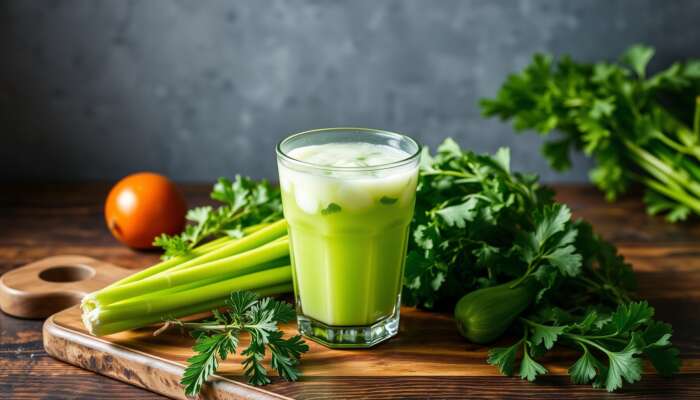
For a light and revitalizing juice, consider the Carrot, Celery, and Apple Fusion. Combine four medium-sized carrots, two celery stalks, and one green apple for a refreshing drink that blends the sweetness of carrots with the crispness of apples and the subtle earthiness of celery.
This fusion offers a delightful balance of flavors while providing a powerful boost of hydration and nutrients. The high water content of celery complements the richness of the carrots, creating a well-rounded juice perfect for any time of the day.
Serve chilled with a sprinkle of fresh lemon juice to enhance the flavors further. This juice not only tastes fantastic but also supports digestion and hydration, making it an ideal choice for those seeking to incorporate healthier beverages into their diet.
Sweet Potato and Citrus Energizer
For an unconventional yet delightful juice, try blending sweet potatoes with citrus fruits. Start by juicing one medium-sized cooked sweet potato, the juice of two oranges, and a handful of spinach for added nutrients. The sweet potato lends creaminess and a unique sweetness, while the citrus brightens the overall flavor profile.
This juice is packed with vitamins A and C, promoting immune health and skin vitality. The flavor combination is rich and satisfying, making it an ideal choice for a mid-morning pick-me-up or an afternoon snack.
You can further enhance this recipe by adding a hint of ginger for warmth or a sprinkle of cinnamon for added complexity. Embrace the creativity that winter roots offer, and let your culinary imagination guide you in crafting unique juice recipes that nourish and inspire.
Turmeric and Beet Power Boost Juice
Integrating turmeric into your winter root juices not only adds vibrant color but also imparts significant health benefits. To create a Turmeric and Beet Power Juice, blend two medium-sized beets, a one-inch piece of fresh turmeric, a squeeze of lemon, and a pinch of black pepper to enhance absorption.
This juice is a powerhouse of antioxidants and anti-inflammatory compounds, making it an ideal choice for those looking to boost their overall health. The earthy sweetness of beets pairs perfectly with the warm, spicy notes of turmeric, creating a harmonious blend that invigorates the senses.
This juice can be enjoyed as a morning boost or an afternoon refresher, and it complements a variety of snacks or meals. The inclusion of black pepper is crucial, as it significantly enhances the absorption of curcumin, the active compound in turmeric, making this juice not only delicious but also highly beneficial.
Frequently Asked Questions About Winter Roots Juicing
What are the top winter roots for juicing?
Some of the best winter roots for juicing include beets, carrots, parsnips, sweet potatoes, and radishes. Each offers unique flavors and health benefits that can enhance your juice blends.
Is peeling winter roots necessary before juicing?
Peeling is not mandatory and can depend on the root. For organic roots, leaving the skin intact can retain more nutrients, but peeling can improve flavor and eliminate bitterness.
How long can winter root juice be stored?
Freshly made winter root juice can be stored in airtight containers in the refrigerator for up to 72 hours. For extended storage, consider freezing in ice cube trays.
Can winter roots be combined with fruits in juices?
Absolutely! Combining winter roots with fruits can yield delicious and balanced juices. For example, pairing beets with apples or carrots with oranges can enhance sweetness and overall flavor.
What health benefits do winter root juices provide?
Winter root juices offer numerous health benefits, including boosting immunity, improving digestion, supporting heart health, enhancing skin health, and aiding in detoxification.
How can I reduce earthy flavors in my juice?
To balance earthy flavors, consider adding sweeter ingredients like apples or citrus fruits. Incorporating herbs and spices can also enhance the overall flavor profile of your juice.
Is cold-pressed juicing superior to traditional juicing?
Cold-pressed juicing is often regarded as superior, as it minimizes oxidation and preserves more nutrients and enzymes compared to traditional juicing methods.
What equipment is necessary for juicing winter roots?
You can use a juicer or a blender for juicing winter roots. If using a blender, you will need a strainer or cheesecloth to separate the juice from the pulp.
Can frozen winter roots be used for juicing?
Yes, frozen winter roots can be utilized for juicing. Ensure they are thawed and prepared appropriately before juicing to achieve optimal flavor and texture.
How can I incorporate winter root juices into my daily routine?
Consider preparing a batch of winter root juice at the beginning of the week for easy access. You can enjoy it as a morning boost, post-workout refreshment, or afternoon snack.


What a colorful exploration into the world of winter roots! It’s true—selecting these earthy gems feels more like a treasure hunt than a trip to the grocery store. I mean, who doesn’t love the idea of turning vibrant, fibrous beets into liquid gold? And let’s be honest, there’s something almost magical about juicing in winter; it’s like creating a warm hug in a glass!
I love that you see it as a treasure hunt! There’s something so rewarding about digging through the earthiness of winter roots. I mean, when you pull up a beet, it’s like unveiling a little piece of hidden treasure. And turning those roots into juice? It’s like capturing all that vibrant energy and coziness in one delicious sip.
You captured the joy of exploring winter roots beautifully. There’s certainly something special about the process—like every root has its own story. When you dig into the vibrant colors of beets or the earthy tones of parsnips, it feels like uncovering hidden gems.
You’ve really captured the essence of what makes exploring winter roots so enchanting. I often find myself reflecting on how every vegetable seems to hold a story; it’s as if they carry with them the memories of the earth and the seasons. I think that’s why I love foraging and cooking this time of year. Just the simple act of harvesting beets, with their deep, earthy colors, can feel so grounding. It’s like connecting with the cycle of life, which reminds us of our own roots, too, in a way.
I truly appreciate your insights on winter roots and their remarkable potential for juicing! There’s something magical about how these hardy vegetables not only sustain us through the chill of winter but also add such vibrant flavors and colors to our diets. My personal favorite is definitely the beet; its deep, earthy sweetness adds a wonderful dimension to any juice blend. I particularly enjoy combining it with carrots and a hint of ginger for a spicy kick—it’s like a warm hug in a glass!
There’s definitely something special about winter roots; they seem to have this ability to transform both our physical and culinary experience of the season. Your mention of beets really resonates with me. Their earthiness is so grounding, and they’ve got that natural sweetness that pairs well with so many other flavors. I love how you combine them with carrots and ginger—that sounds like a wonderfully balanced juice blend.
I completely agree with you about the magic of winter roots. There’s something so comforting about cooking with ingredients that thrive in the colder months. Beets are definitely a star in that lineup; their vibrant color and rich flavor really add a touch of warmth to any dish.
You’re spot on about winter roots and their transformative qualities. It’s like they carry this story of the earth with them, adding a warmth and richness that’s hard to replicate. Beets are such a great example—those earthy notes combined with their sweetness really do open up a world of possibilities.
You’ve really captured the essence of winter roots beautifully. There’s something special about how they embody the earth’s story, isn’t there? With every bite, you can almost feel the care and resilience of nature as it faces the cold months.
I appreciate your insights on selecting winter roots for juicing. It’s fascinating how these vegetables are often overlooked during the colder months when they can bring such vibrant flavors and nutritional benefits. I’ve always found that beets, in particular, not only add a deep, earthy sweetness to my juices but also provide a great source of natural energy. It’s also interesting to consider how the nutrient density of these roots can support our immune systems during winter, a time when we’re more susceptible to illness. Have you tried blending different roots together? I’ve recently experimented with a combination of carrot and ginger, and the spicy kick paired with sweetness is delightful. What are your favorite combinations?
I really appreciate how you highlighted the importance of winter roots in juicing—it often feels like these hardy vegetables get overshadowed by the more glamorous summer produce. I’ve been experimenting with winter roots over the past few seasons, and I have to say, there’s something wonderfully grounding about their flavors, especially when the weather turns cold.
It’s great to hear that you’re exploring winter roots—it’s like finding a hidden treasure in the produce aisle. They do have this unique ability to bring warmth and depth to juices, especially when the chill settles in.
It’s great to hear that you’ve been diving into winter roots. They really do have a unique charm, don’t they? When I think about those earthy flavors, especially when it’s chilly outside, it feels as if they bring a comforting warmth to our meals and drinks.
I love how you’ve likened winter roots to precious gems! It’s so true—each type brings its own character to juicing. I’ve recently started experimenting with adding a bit of ginger to my root blends; it really complements the sweetness of carrots and the earthiness of beets. Plus, I’ve found that pairing them with citrus adds a refreshing kick that brightens the flavors. Have you ever tried using rutabagas or turnips in your juices? They might not be the first roots that come to mind, but they add a unique twist and can enhance the nutritional profile. I can’t wait to explore more about these winter gems! What are some of your go-to combinations?
It’s great to hear about your experimentation with ginger and citrus in your juices. Those flavors really do meld beautifully, creating a symphony of taste that celebrates the season. Carrots and beets have such a natural sweetness, and ginger adds a nice kick without overpowering their earthiness. That refreshing citrus twist not only brightens the juice but also enhances the overall experience, making each sip vibrant and alive.
I totally agree—ginger and citrus really do create a beautiful harmony in juices. I love how the ginger offers that spicy warmth while the citrus elevates everything with its brightness. It’s interesting to think about how flavors can evoke seasonal feelings and memories, isn’t it? I often find myself reaching for carrot and beet juices in the autumn months when the colors and flavors seem to reflect the changing landscape.
I completely resonate with what you’re saying about ginger and citrus; there’s something so uplifting about that combo. It’s like a little burst of joy in a glass. I also find that many flavors can tap into memories and emotions tied to the seasons. When you mention reaching for carrot and beet juices in autumn, it reminds me of how certain tastes can anchor us in time.
I’m glad you resonated with the gem comparison! Ginger really does kick everything up a notch, doesn’t it? And you’re spot on about citrus — that brightness makes all the difference. I haven’t used rutabagas or turnips in juices yet, but I’m curious to give them a shot. They do have that slightly sweet and peppery vibe that could really deepen the flavor profile.
I really appreciate your take on winter roots being like precious gems—it’s such a great way to view them! Ginger is indeed a game changer; it adds that zing that can make a juice come alive. The sweetness of carrots and the earthiness of beets paired with ginger creates a really balanced and exciting flavor profile.
I’m glad to hear you connected with that idea about winter roots. There’s something almost magical about how these humble veggies can brighten up the darker months, isn’t there? Ginger really is such a vibrant addition—it’s amazing how just a small amount can transform a juice from something ordinary to something that feels alive with flavor.
I’m glad you enjoyed the comparison of winter roots to precious gems. It truly captures the essence of how they each contribute unique flavors and nutrients to our diets. Your experimentation with ginger is such a great idea; that spicy warmth really does enhance the sweetness of carrots and the earthiness of beets beautifully.
Ah, the quest for perfect winter roots! It almost feels like embarking on a grand treasure hunt, but instead of pirates and buried gold, we have beets and parsnips ready to bring some joy to our chilly days. I recently ventured into my local farmers’ market, determined to bring home the crème de la crème of root vegetables for juicing. Armed with a list and a slightly ridiculous sense of purpose, I began my search.
Your description of the hunt for exceptional winter roots really captures the charm of visiting a farmers’ market. There’s something unique about that atmosphere, where the anticipation of discovering hidden gems makes the whole experience feel a bit like an adventure. As you wandered, did you find anything unexpected? I’ve had moments where I’ve stumbled upon a vendor offering a variety I’d never even heard of, which definitely adds to the thrill.
Your exploration of winter roots for juicing is inspiring! I’ve always found that winter puts a unique twist on our produce options, with roots like rutabaga and sweet potatoes unexpectedly bringing depth to juice blends. It’s fascinating how these usually underappreciated ingredients can transform a drink, adding not just flavor but also a wealth of nutrients.
You’re spot on about winter roots bringing those delightful surprises to our juice blends. It’s almost like they have a secret club where they whisper, “The colder it gets, the more we shine.” Rutabaga, for instance—who knew this shaggy little guy could add a bit of earthiness while being packed with vitamin C? And sweet potatoes? Who doesn’t love a bit of sweetness during the darker months?
I truly appreciate your insights on selecting winter roots for juicing. There’s something wonderful about how these hardy vegetables not only withstand the cold but also become more flavorful in the process. I’ve found that beets are particularly transformative; their earthy sweetness can really elevate a juice, especially when paired with a citrus like orange or lemon.
You bring up a great point about how winter roots transform in flavor as they thrive in the cold. Beets really do have this incredible ability to retain and even enhance their sweetness, especially when you mix them with bright citrus. I’ve also found that adding a pinch of ginger can add an interesting warmth that contrasts beautifully with the beets’ earthiness. What’s your favorite combination when you’re juicing? There’s something so satisfying about experimenting with these seasonal ingredients and discovering new layers of flavor.
I completely agree with you about how winter roots like beets really shine in colder months. Their transformation in flavor during this time is such a delightful surprise. I love the idea of pairing them with bright citrus, which really elevates that natural sweetness. Ginger is a fantastic addition, too—it’s amazing how just a pinch can balance the earthiness of beets and add that warmth.
What a delightful exploration of winter roots for juicing! Your analogy of unearthing gems truly captures the essence of this seasonal bounty. I’ve always found that these roots not only enhance the nutritional profile of my juices but also serve as a metaphor for finding wholesome goodness in sometimes overlooked places—much like we often have to do in our daily lives, especially during the colder months.
I’m glad you connected with the idea of unearthing those hidden gems in winter roots. It’s interesting how these often-overlooked ingredients can play such a vital role in both our diets and our mindset during the colder months.
I love the imagery you used to describe winter roots – it really does feel like a little treasure hunt in the produce aisle! I’ve been experimenting with juicing beets lately, and their earthy sweetness adds such depth to mixes. I find that pairing them with a bit of ginger brightens everything up.
I’m really glad you connected with the imagery of winter roots! There’s something special about exploring the produce aisle during the colder months, isn’t there? Every trip feels like unearthing little treasures just waiting to be transformed in the kitchen.
I’m so glad you enjoyed the imagery! Winter really does feel like a treasure hunt—we’re all out there digging through those hearty roots, who knew grocery shopping could feel so much like an adventure?
Your insights on winter roots for juicing truly resonate with my experience as I’ve dived into the world of root vegetables in the colder months. There’s something uniquely satisfying about bringing home a bag of fresh beets and parsnips and transforming them into a vibrant, nutrient-rich juice.
Your experience with winter roots truly captures the essence of seasonal juicing. There’s something almost magical about the transition from the vibrant, fresh produce of summer to the earthy sweetness of beets and parsnips in the colder months. When you bring home a bag of those root vegetables, it feels like you’re not just carrying home food, but a little piece of the earth’s resilience.
Your experience with winter roots resonates deeply with many who find joy in local, seasonal produce. The act of bringing home fresh beets and parsnips does offer a tangible connection to the season, doesn’t it? There’s something beautifully grounding about working with ingredients that have been cultivated through colder weather. They seem to carry the essence of the earth in a way that often gets lost in summer’s more flamboyant offerings.
It’s great to hear that you’re exploring root vegetables—there’s something quite rewarding about the whole process. Beets and parsnips are such hearty choices, not just for their flavor but also for their versatility. Have you tried mixing them with some citrus or ginger for a little zing? It really brightens up the earthy taste and adds a refreshing twist. Plus, the colors you get from those roots can really make your juice pop. Winter is the perfect time to experiment with combinations that warm you up from the inside out, turning something simple into a nourishing ritual. What’s your favorite blend so far?
Your exploration of winter roots for juicing really highlights an often-overlooked aspect of seasonal eating. I’ve recently discovered that roasting these roots before juicing can enhance their flavors significantly—caramelizing the natural sugars adds an unexpected depth. Beets, in particular, become wonderfully sweet and earthy.
I’m glad you found the piece on winter roots for juicing thought-provoking! Roasting really is a game changer. The way the heat brings out those sugars makes a huge difference, especially with beets. I also love experimenting with other roots like carrots and sweet potatoes—they can add a nice twist too. Have you tried any spices or herbs after roasting them? A sprinkle of ginger or a bit of rosemary can really elevate that flavor even more. Your approach definitely opens up a whole new world of possibilities for winter juicing. Would love to hear more about what you’ve tried!
Ah, the noble winter root! Nothing quite like coaxing a sweet little carrot or a hearty beet to reveal their inner juice. It’s like discovering hidden talents—I always say, “Embrace the root; it’s got a lot to offer!” The best part? When you juice these beauties, it’s practically like drinking a rainbow (and who wouldn’t want that?).
I love your take on winter roots for juicing! There’s something so satisfying about pulling out seasonal produce, especially when it feels like the rest of the garden is hibernating. I’ve found that roasting beets and then blending them offers a whole different vibe than just juicing them raw. The sweetness intensifies, and it adds a rich depth to the juice that’s hard to resist!
I completely relate to that satisfaction of pulling seasonal produce from the garden! There’s something really special about winter roots; they feel like a hidden treasure waiting to be discovered. Roasting beets first is such a clever idea—it does bring out those sweet, earthy flavors in a way that just juicing doesn’t quite match. I’ve also found that blending roasted beets with some citrus can create a wonderful balance, adding a refreshing zing to all that richness.
Your exploration of winter roots for juicing beautifully highlights their versatility and nutritional benefits. I particularly appreciate the emphasis on freshness, as it can truly make or break the quality of the juice. This season, I’ve been experimenting with blending roasted beets and carrots—this not only intensifies their sweetness but also adds a depth of flavor that I find especially comforting in winter.
Your exploration of winter roots for juicing highlights an often-overlooked aspect of seasonal eating. I’ve found that incorporating roots like beets and parsnips not only adds depth to the flavor but also taps into their nutritional benefits, which can be quite significant during the colder months when our diets tend to skew towards heavier, less vibrant foods.
I’m glad you resonated with the idea of winter roots for juicing! They really do bring a unique character to our drinks, don’t they? Beets and parsnips not only have that earthy sweetness, but they also pack a punch when it comes to nutrients, which can be a game-changer during the colder months.
Your observations about winter roots really resonate. It’s true that beets and parsnips bring a wonderful complexity to juices. I’ve found that their earthiness offers a nice contrast to the more acidic fruits we often reach for. Plus, the nutritional boost these roots provide is crucial when we might be craving comfort in heavier meals.
I really appreciate the way you describe winter roots as treasures waiting to be unearthed! It’s so true that these hardy vegetables offer not just nourishment but a unique blend of flavors that can really be transformational in juices. Beets, for example, are a favorite of mine—they not only add vibrant color but also a depth of sweetness that pairs surprisingly well with citrus fruits.
What a wonderful exploration of winter roots! I’ve recently started experimenting with juicing and have found that the combination of beets and carrots creates such a vibrant, energizing blend. It’s also fascinating how these roots not only add color but also boast a wealth of nutrients, especially during the winter when other fresh options are limited.
Your insights on selecting winter roots for juicing really resonate with me, especially the emphasis on their vibrant colors and textures! I’ve always appreciated how the seasonal availability of ingredients can inspire creativity in the kitchen. I find that beets not only add a beautiful hue to juices but also pack a powerful nutrient punch, offering benefits like improved blood flow and lower blood pressure.
Your insights into selecting winter roots for juicing resonate deeply with those of us looking to maintain nutritious habits in colder months. I’ve found that incorporating various winter roots, like roasted beets or spiced ginger, not only enhances the flavor profile of juices but also offers unique health benefits, especially with the immune support that these roots provide during flu season. It’s fascinating how the vibrant colors of these roots can reflect their nutrient density.
What a beautifully articulated post! Your exploration of winter roots for juicing not only highlights the vibrant hues and textures but also captures the essential connection between food and the changing seasons—a reminder of nature’s resilience during the colder months.
Your insights on winter roots for juicing really resonate with me. I’ve always been drawn to the vibrant colors of vegetables like beets and carrots during the colder months, but I never considered them to be “precious gems” until reading your analogy. It’s fascinating how these roots not only add beautiful hues to our juices but also carry a wealth of nutritional benefits.