


Essential Principles of Juicing for Effective Fat Loss
What Ingredients Are Best for Fat-Burning Juices?
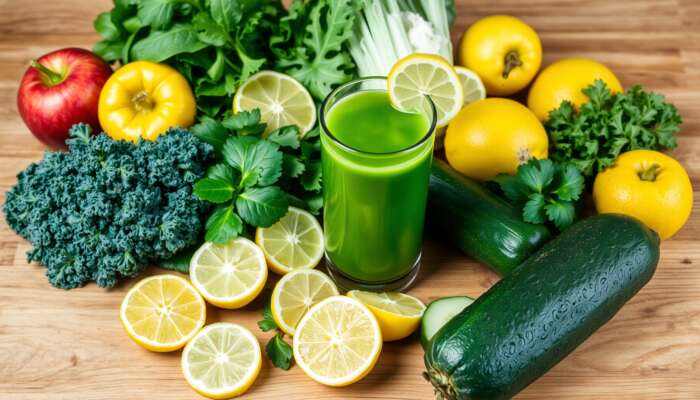
Selecting the optimal ingredients for your juices is crucial for achieving effective fat burning. The best fruits and vegetables should be abundant in vitamins, antioxidants, and fiber. These vital components not only assist in eliminating excess weight but also bolster your overall health. Aim to incorporate items that possess unique properties known to facilitate fat loss, such as those that enhance metabolism and optimize digestion. Below is a curated list of key ingredients that nutrition experts recommend for your juicing journey:
- Leafy Greens: Varieties such as kale, spinach, and Swiss chard are nutrient-packed and low in calories.
- Citrus Fruits: Fruits like oranges, lemons, and grapefruits are known to enhance fat metabolism.
- Beets: Rich in antioxidants and nitrates, they can improve blood flow and boost energy levels.
- Ginger: This powerful spice is celebrated for its ability to enhance metabolism and alleviate inflammation.
- Apples: They offer natural sweetness while supplying fiber, which is beneficial for digestion.
- Carrots: High in beta-carotene, carrots support your immune system and promote overall well-being.
- Green Tea: Although not a fruit or vegetable, adding this can elevate metabolism with its rich antioxidant properties.
- Celery: Low in calories, celery provides hydration and essential nutrients.
By integrating a diverse mix of these ingredients into your juicing practice, you can craft a balanced and potent fat-burning juice that contributes to your health and weight management goals.

How to Effectively Prepare Your Juicer for Optimal Performance?
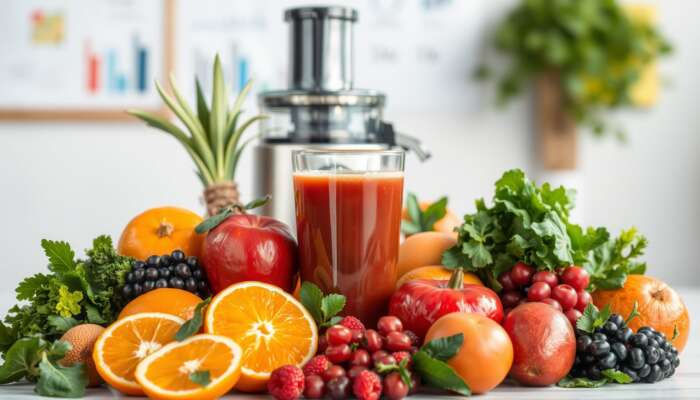
Getting your juicer ready for efficient operation is a pivotal step in your journey toward fat loss through juicing. A thoroughly cleaned juicer not only yields better-tasting juice but also preserves the nutrients present in your chosen ingredients. Different juicer types—such as centrifugal, masticating, or triturating—may have specific requirements for setup and cleaning. Here’s a straightforward preparation checklist to guarantee peak juicing performance:
- Assemble Your Juicer: Ensure that all parts are securely fitted according to the manufacturer’s guidelines.
- Wash Components: Clean the juicing components—including the bowl, lid, and strainer—to avoid contamination.
- Prepare Ingredients: Rinse and chop fruits and vegetables to fit into the juicer’s feed chute.
- Check for Damage: Inspect your juicer for any signs of wear and tear that could impact its performance.
By meticulously preparing your juicer, you can ensure that every juice is both delicious and packed with nutrients, laying a strong foundation for your fat loss journey.
Juicing Techniques to Maximize Nutrient Extraction
To extract the highest levels of nutrients from your fruits and vegetables, mastering specific juicing techniques is essential. Traditional juicing methods sometimes overheat the ingredients, resulting in nutrient loss. Employing slow juicing techniques, commonly associated with masticating juicers, is one approach that preserves a greater amount of vitamins and enzymes. Here are practical tips to enhance your juicing experience:
1. Choose Fresh Produce: Freshness directly affects nutrient content. Whenever possible, opt for organic produce to avoid pesticide residues.
2. Juice Leafy Greens First: Leafy greens are often fibrous; juicing them first can help extract more liquid and nutrients.
3. Mix Ingredients Wisely: Combine high-water content fruits, such as cucumbers and apples, with denser vegetables to create smoother juice.
4. Experiment with Fermentation: Adding fermented ingredients such as kefir or probiotic powders can boost the digestive benefits of your juices.
5. Drink Soon After Juicing: Nutrient levels begin to diminish shortly after extraction. Aim to consume your juice within 20 minutes for maximum benefits.
These techniques not only optimize the nutrient profile of your juices but also enhance your overall juicing experience, making it more enjoyable and effective.
How Frequently Should You Incorporate Juicing for Effective Fat Loss?
Establishing the optimal frequency for juicing can significantly influence your fat loss journey. Daily juicing can yield benefits, but it should be balanced with whole foods to ensure a comprehensive array of nutrients. For most individuals, incorporating fresh juices into your daily routine can aid in weight management and promote healthier eating habits. A practical juicing schedule might look like this:
- Daily Morning Juice: Kick off each day with a nutrient-rich juice to jumpstart your metabolism.
- Post-Workout Juice: Enjoy a juice that contains protein and carbohydrates after exercising to support recovery.
- Mid-Afternoon Snack: A light juice can serve as a refreshing snack that curbs cravings without adding excess calories.
- Limit to 1-2 Juices on Rest Days: On days without exercise, focus on maintaining your intake of whole foods while enjoying 1-2 juices.
By adhering to this balanced approach, you can effectively weave juicing into your lifestyle without compromising your overall dietary needs.

Combining Juicing with Regular Exercise for Optimal Results
Incorporating juicing into a regular exercise regimen can significantly enhance your fat loss efforts. Juicing offers a refreshing and nutrient-dense source of energy that can improve workout performance. Specific juices can elevate your energy levels and accelerate recovery, essential for optimizing your fitness routine. Here are some tips for pre- and post-workout juicing:
1. Pre-Workout Juices: Choose juices that combine carbohydrates and electrolytes. Ingredients like bananas and coconut water provide an energy boost while hydrating your body.
2. Post-Workout Recovery: After exercising, opt for juices that include protein-rich options like spinach or a scoop of protein powder to aid in muscle repair.
3. Hydration Focus: Staying hydrated is crucial; juices with high water content, such as watermelon or cucumber, help maintain electrolyte balance.
4. Timing Matters: Consume your pre-workout juice about 30 minutes before exercising, and aim to have your post-workout juice within an hour of finishing your workout.
By integrating juicing with your exercise routine, you not only boost your fat-burning potential but also promote overall health and energy levels.
Insights from Experts on Effective Juicing for Fat Burning
What Insights Do Nutritionists Provide About Juicing?
Nutritionists regularly endorse juicing as a valuable addition to a balanced diet, highlighting the significance of variety and moderation. Juicing provides a concentrated source of nutrients that can enhance your overall dietary intake. For example, many nutrition experts advocate for a diverse selection of ingredients in juices to ensure a broad spectrum of vitamins and minerals. Here are some insights based on discussions with nutritionists:
- Diversity is Key: Utilizing a wide range of fruits and vegetables in your juices offers a broader array of nutrients, promoting better digestion and overall health.
- Moderation is Essential: Juicing should not entirely replace whole foods; maintaining balance is vital to prevent potential nutrient deficiencies.
- Listen to Your Body: Individual responses to juicing can differ; adjust your juice recipes based on how you feel post-consumption.
- Quality Over Quantity: Prioritize high-quality, organic ingredients whenever possible to ensure optimal nutrient absorption.
By following these insights from nutritionists, you can make informed decisions about incorporating juicing into your weight loss strategy, ensuring it serves as a healthy complement to your diet.
How Can Juicing Be Integrated into a Healthy Lifestyle?
Juicing is not a standalone solution; instead, it serves as a beneficial addition to a holistic, healthy lifestyle. When integrated thoughtfully, it can complement a nutritious diet and regular exercise, supporting your weight management goals. Juicing can enrich your daily nutrient intake while offering a refreshing alternative to snacks. Here are some actionable steps to incorporate juicing into your everyday life:
1. Meal Planning: Include juices as part of your meal prep; this allows for quick access to nutrient-dense options throughout the week.
2. Snack Alternatives: Replace unhealthy snacks with juices to reduce calorie intake while still feeling satisfied.
3. Hydration Strategy: Use juices as part of your hydration routine, especially in warmer climates where hydration needs increase.
4. Mindful Eating: Pair juices with mindfulness practices to savor the flavors and health benefits, enhancing your overall eating experience.
By viewing juicing as a component of a balanced lifestyle, you can create a sustainable approach to weight management while enjoying the process.
What Are the Long-Term Advantages of Regular Juicing?
Incorporating juicing into your diet regularly offers numerous long-term benefits, significantly improving your health and aiding in fat burning. It’s important to recognize that juicing is not a quick-fix solution; rather, it is part of a larger commitment to health. Long-term juicing can lead to sustained outcomes such as improved metabolism, enhanced digestion, and increased energy levels. Here are some key benefits observed over time:
- Improved Digestion: Juicing can enhance gut health by supplying enzymes that support digestion, leading to better nutrient absorption.
- Increased Energy Levels: Nutrient-dense juices fuel the body, reducing fatigue and enhancing overall vitality.
- Weight Management: Consistent juicing can assist in weight management by curbing cravings and providing fewer calories compared to processed snacks.
- Better Skin Health: Antioxidant-rich juices can promote clearer skin, reduce inflammation, and slow the appearance of aging.
By committing to regular juicing, you position yourself for long-term health improvements that extend far beyond mere weight loss, contributing to a vibrant, energetic life.
The Scientific Principles Behind Fat-Burning Juices
How Do Fat-Burning Juices Promote Weight Loss?
Fat-burning juices primarily function by delivering essential nutrients that enhance your body’s metabolic processes. These juices often include ingredients known to stimulate fat oxidation and improve overall metabolic function. For instance, components like ginger and lemon not only add flavor but also contain properties that support weight management. Understanding how these juices work can empower you to make informed decisions.
1. Nutrient-Rich Ingredients: Juices featuring ingredients like leafy greens, citrus fruits, and ginger are packed with vitamins and antioxidants that help the body utilize fat more efficiently.
2. Boosting Metabolism: Ingredients like cayenne pepper can temporarily elevate your metabolism, promoting fat burning even at rest.
3. Reducing Inflammation: Many fruits and vegetables possess anti-inflammatory properties that can aid in weight loss by supporting a healthier metabolism.
4. Hydration Support: Staying hydrated with juices can enhance your energy levels, enabling better exercise performance, which is crucial for burning fat.
Through these mechanisms, fat-burning juices can play a supportive role in achieving your desired weight loss outcomes when integrated with a comprehensive lifestyle approach.
What Nutrients Are Critical for Effective Fat Burning?
Certain nutrients are essential for effective fat burning, and including them in your juices can significantly enhance their efficacy in aiding weight loss. Nutrients such as vitamins and minerals are vital for metabolism, energy production, and fat oxidation. Here’s a closer look at some essential nutrients for fat burning:
- Vitamin C: Found in citrus fruits, this vitamin aids in improving metabolism and supports the synthesis of carnitine, a compound that allows the body to burn fat for energy.
- B Vitamins: B vitamins, particularly B6 and B12, are involved in energy metabolism, ensuring your body effectively converts food into usable energy.
- Magnesium: This mineral is essential for over 300 biochemical reactions in the body, including those related to fat metabolism and energy production.
- Fiber: While not a nutrient in the traditional sense, fiber plays a critical role in digestion and helps keep you feeling full, which can prevent overeating.
By ensuring your juices are abundant in these critical nutrients, you can significantly enhance their effectiveness in supporting fat burning and overall health.

Can Juicing Actually Aid in Weight Loss?
Juicing can support weight loss when integrated into a healthy diet and coupled with regular exercise. However, it should not be perceived as a miraculous solution; rather, it functions as a tool to enhance your fat loss strategy. Juicing encourages a higher intake of fruits and vegetables, which are generally lower in calories and rich in nutrients. Here are some key considerations:
1. Nutrient Density: Juices offer a concentrated source of nutrients that support your metabolism and help regulate appetite, facilitating a caloric deficit.
2. Reduced Caloric Intake: By substituting calorically dense snacks with juices, you can lower your overall calorie consumption while still fulfilling your nutritional needs.
3. Hydration and Satiety: Juicing can enhance hydration, which is often linked to improved weight management. Many juices can also promote a feeling of fullness, which reduces the likelihood of unhealthy snacking.
4. Holistic Approach Required: For sustainable weight loss, juicing should be part of a broader strategy that includes a balanced diet and consistent physical activity.
In summary, while juicing is a valuable asset in your weight loss toolkit, it is most effective when used alongside other healthy lifestyle choices.
Crafting Your Own Effective Fat-Burning Juice Recipes
What Are Some Proven Fat-Burning Juice Recipes?
Creating delicious fat-burning juices can be both simple and enjoyable, especially when you know how to combine the right ingredients for optimal results. Here are several recipes that effectively blend flavors and fat-burning properties, ensuring you remain engaged in your juicing adventure:
- Green Detox Juice: A combination of kale, cucumber, green apple, lemon, and ginger creates a refreshing juice loaded with antioxidants.
- Citrus Burst: A mix of oranges, grapefruit, and lemon offers a vitamin C boost that can elevate metabolism.
- Beet & Berry Juice: A blend of beets, blueberries, and a splash of coconut water promotes energy and hydration.
- Spicy Lemonade: A zesty drink made from water, lemon juice, cayenne pepper, and honey that can invigorate your metabolism.
These recipes focus on combining ingredients known for their fat-burning capabilities, making them enjoyable and effective additions to your daily routine.
How to Personalize Your Juices to Suit Your Preferences?
Customizing your juices allows you to tailor them to meet specific dietary needs or flavor preferences, ensuring that you savor every sip. By adjusting the proportions of fruits and vegetables, you can create delightful combinations that cater to your taste while still providing essential nutrients. Here are several techniques to personalize your juicing experience:
1. Adjust Sweetness Levels: If you enjoy sweeter juices, consider increasing fruits like apples or pears while moderating tart ingredients like lemon or ginger.
2. Add Protein Sources: To create a more filling juice, incorporate protein-rich options such as Greek yogurt, nut butter, or protein powders.
3. Experiment with Herbs and Spices: Adding herbs like mint or spices like cinnamon can enhance flavor and offer additional health benefits.
4. Consider Dietary Restrictions: If you have specific dietary needs—such as low sugar or high fiber—tailor your recipes accordingly by focusing on non-sweet vegetables and fiber-rich ingredients.
With a little experimentation, you can create an array of juices that not only support your health goals but also delight your taste buds.
Essential Tips for Storing and Preserving Your Fresh Juices
Proper storage of your fresh juices is vital for maintaining their freshness and nutritional value. Juice nutrient levels can begin to decline rapidly, so understanding how to store your juices effectively is critical. Here are some practical tips for preserving your juices:
- Use Airtight Containers: Store your juices in airtight glass containers to minimize exposure to air, which can lead to oxidation.
- Refrigerate Promptly: After juicing, refrigerate your juices immediately to slow down nutrient degradation.
- Consume Within 24 Hours: For maximum freshness and nutrient retention, aim to consume your juices within a day of preparation.
- Consider Freezing: If you cannot consume your juices right away, freezing them in portioned containers can help maintain their nutritional quality.
By adhering to these storage tips, you can ensure that your juices remain not only flavorful but also packed with the nutrients your body craves.
The Importance of Juicing in a Balanced Diet
How Does Juicing Enhance a Healthy Diet?
Juicing serves as an exceptional method for adding a variety of nutrients to your diet, promoting overall health and well-being. When approached as a supplement to whole foods rather than a replacement, juicing can contribute to a balanced dietary strategy. Here’s how juicing integrates into a healthy eating pattern:
1. Nutrient Density: Juices are rich in vitamins and minerals, helping you meet your daily nutrient requirements without consuming excessive calories.
2. Variety of Produce: Juicing promotes the intake of diverse fruits and vegetables, enhancing dietary diversity and nutrient intake.
3. Convenience: For those with hectic lifestyles, juices offer a quick and easy way to consume essential nutrients, making healthy eating more accessible.
4. Enhanced Digestive Health: Juicing can aid digestive health by incorporating fiber-rich ingredients, supporting gut health and regularity.
By incorporating juices into your daily routine as a complement to whole foods, you can cultivate a well-rounded diet that supports your health and weight management objectives.
What Are the Risks of Over-Reliance on Juices?
While juicing provides numerous health benefits, over-reliance on juices can lead to potential risks, especially if they replace whole foods in your diet. It’s essential to maintain a balanced approach to nutrition. Here are some critical considerations regarding the potential risks of excessive juicing:
1. Nutrient Deficiencies: Depending solely on juices may result in missing out on vital nutrients found in whole foods, such as dietary fiber and healthy fats.
2. Increased Sugar Intake: Many fruit juices can be high in natural sugars, leading to potential spikes in blood sugar levels if consumed excessively without the balance of whole foods.
3. Weight Gain: Overdoing fruit-based juices can lead to excessive calorie intake, which can undermine your weight loss goals.
4. Lack of Satisfaction: Juices might not provide the same satiety as whole foods, potentially resulting in increased hunger and cravings.
To mitigate these risks, it’s crucial to view juicing as a supportive element in your weight management strategy while ensuring a balanced intake of whole foods to meet all your nutritional requirements.
How to Integrate Juicing with Whole Foods Effectively?
Successfully blending juicing with whole foods can maximize your health benefits and ensure a balanced diet. Juices should complement, rather than replace, whole food intake; this strategy fosters a more holistic approach to nutrition. Here are effective methods to combine juicing with whole foods in your diet:
1. Use Juices as Snacks: Instead of relying on processed snacks, opt for freshly made juices to satisfy hunger between meals.
2. Pre- and Post-Meal Juicing: Consider having a small juice before meals to stimulate appetite or after meals to facilitate digestion.
3. Balanced Meal Planning: Ensure meals contain a combination of protein, healthy fats, and whole grains, while juices add additional nutrient density.
4. Incorporate Fiber: Whenever possible, include the pulp from your juicing process in soups, smoothies, or baked goods to retain fiber content.
By thoughtfully incorporating juicing into your daily routine, you can enhance your nutrient intake while still enjoying the benefits of whole foods, creating a sustainable approach to health and wellness.
How Can Juicing Improve Nutrient Absorption?
Juicing can significantly enhance nutrient absorption by breaking down the cell walls of fruits and vegetables. This process allows the body to access nutrients more readily, providing a quick and efficient method to boost your dietary intake. Here are several ways juicing facilitates nutrient absorption:
1. Cell Wall Breakdown: Juicing mechanically disrupts cell walls, making vitamins and minerals more bioavailable for absorption.
2. Enhanced Digestion: Liquids are generally easier to digest compared to solid foods, allowing the body to prioritize absorption rather than breakdown.
3. Synergistic Effects: Combining various fruits and vegetables in juices can create a synergistic effect, enhancing nutrient bioavailability and overall health benefits.
4. Hydration Benefits: Juices also contribute to your hydration needs, which is essential for optimal metabolic function and nutrient absorption.
By integrating juicing into your health regimen, you can optimize nutrient uptake while enjoying the delicious flavors of fresh fruits and vegetables.
Research-Backed Insights on Juicing for Fat Loss
What Does Current Research Indicate About Juicing and Weight Loss?
Research indicates that juicing can be an effective tool for weight loss by increasing nutrient intake and boosting metabolism. While juicing alone is not a guaranteed weight loss solution, it can contribute positively to a comprehensive health strategy. Studies highlight the following points:
1. Increased Nutrient Intake: Juicing provides a concentrated source of vitamins and minerals, which can enhance metabolic health and support weight loss.
2. Boost in Metabolism: Juices that include ingredients like green tea or cayenne pepper have been shown to temporarily elevate metabolic rates.
3. Appetite Regulation: High-fiber juices can help manage appetite and reduce cravings, facilitating adherence to a caloric deficit.
4. Enhanced Hydration: Proper hydration is linked to improved metabolic function, and juices can serve as a flavorful way to meet hydration needs.
Incorporating juicing into a holistic weight loss strategy—combined with healthy dietary choices and regular exercise—can significantly enhance your results.
How Do Antioxidants in Juices Contribute to Fat Loss?
Antioxidants play a vital role in fat burning by reducing inflammation and supporting metabolic health. Many fruits and vegetables used in juicing are rich in antioxidants, making them ideal for bolstering fat loss efforts. Here’s how antioxidants assist in this context:
1. Reducing Inflammation: Chronic inflammation can impede weight loss; antioxidants help mitigate this, enabling the body to function optimally and burn fat more effectively.
2. Supporting Metabolism: Antioxidants enhance various metabolic processes, allowing the body to convert food into energy more efficiently, which is crucial for weight management.
3. Improving Insulin Sensitivity: Certain antioxidants can enhance insulin sensitivity, which is essential for weight loss, as improved sensitivity can lead to better blood sugar control and fat mobilization.
By selecting juices rich in antioxidants, you can support your weight loss journey and promote overall health.
Are There Proven Health Benefits Associated with Juicing?
Numerous studies suggest that juicing is linked to various health benefits that extend well beyond weight loss. These advantages include improved digestion, enhanced skin health, and increased energy levels. Here’s a closer examination of these proven benefits:
- Improved Digestion: Juicing can promote gut health by providing enzymes and nutrients that facilitate digestive processes.
- Better Skin Health: Antioxidant-rich juices can contribute to clearer skin, reducing the appearance of blemishes and signs of aging.
- Increased Energy Levels: Nutrient-dense juices can deliver a quick energy boost, helping to combat fatigue throughout the day.
- Support for Immune Function: The vitamins and minerals derived from fresh juices can enhance immune function, aiding the body in fending off illness.
By incorporating juices into your daily routine, you can enjoy these proven health benefits while advancing towards your fat loss goals.
Common Pitfalls to Avoid When Juicing for Weight Loss
What Are the Most Common Mistakes Made While Juicing?
When embarking on a juicing journey for fat loss, it’s crucial to avoid common pitfalls that could hinder progress. Several mistakes can result in unsatisfactory outcomes or unhealthy habits. Understanding these can help you maximize the benefits of juicing:
- Overusing Fruits: Relying too heavily on fruits in your juices can lead to excessive sugar intake, negatively impacting weight loss.
- Neglecting Fiber: Many individuals discard the pulp, losing valuable fiber that aids digestion and contributes to a feeling of fullness.
- Ignoring Whole Foods: Juicing should supplement, not replace, whole foods. Over-reliance can lead to nutrient deficiencies.
- Not Cleaning Equipment: Failing to clean your juicer properly can result in bacteria buildup, affecting the quality of your juice.
By being mindful of these common mistakes, you can ensure that your juicing efforts are effective and sustainable for fat loss.
How to Prevent Nutrient Imbalances During Juicing?
To maintain a balanced nutritional profile while juicing, it’s vital to implement strategies that ensure you’re acquiring a wide range of nutrients. Preventing nutrient imbalances is essential for overall health and effective fat loss. Here are some strategies to consider:
1. Vary Your Recipes: Rotate between different fruits and vegetables to ensure a broad spectrum of nutrients in your juices.
2. Include Fiber: Reincorporate pulp into your meals or add fiber-rich foods to your diet to maintain digestive health.
3. Monitor Sugar Intake: Be mindful of the sugar content in your juices by balancing fruits with vegetables to create lower-sugar options.
4. Consume Whole Foods: Complement your juicing with a variety of whole foods to ensure you’re obtaining all essential nutrients.
By following these strategies, you can mitigate the risk of nutrient imbalances associated with juicing for fat loss.
Can Juicing Encourage Unhealthy Habits?
While juicing can be a beneficial addition to your diet, it’s important to recognize that it can also lead to unhealthy habits if not managed properly. Ensuring a balanced approach is key to preventing negative outcomes. Here are some behaviors to be cautious of:
1. Portion Control: Consuming excessive amounts of juice can lead to calorie intake exceeding your needs, resulting in weight gain instead of loss.
2. Neglecting Food Variety: Over-reliance on juices can result in overlooking whole foods, leading to a limited dietary intake.
3. Mindless Juicing: Drinking juices without mindfulness can contribute to overconsumption. Focus on savoring each juice to better recognize fullness cues.
4. Skipping Meals: Consistently using juice as a meal replacement can lead to imbalances in nutrient intake and energy levels.
To avoid falling into these traps, maintain a balanced approach to juicing that emphasizes moderation and integration with whole foods.
Optimizing the Effectiveness of Your Fat-Burning Juices
How to Schedule Your Juice Consumption for Maximum Impact?
Timing your juice consumption can enhance its fat-burning effects and contribute to overall health. Consuming juices at strategic times can help optimize energy levels and metabolic function. Here are some effective timing strategies to consider:
1. Morning Boost: Starting your day with a nutrient-rich juice can kick-start your metabolism and provide energy for the day ahead.
2. Pre-Workout Nutrition: Consuming a juice about 30 minutes before your workout can offer quick energy and hydration, enhancing performance.
3. Post-Workout Recovery: Drinking a well-balanced juice after exercising can replenish nutrients and support muscle recovery.
4. Afternoon Snack: Substitute unhealthy snacks with a fresh juice in the afternoon to sustain energy levels without excess calories.
By implementing these timing strategies, you can maximize the effectiveness of your fat-burning juices and support your overall health and fitness objectives.
What Lifestyle Changes Enhance Juicing for Fat Loss?
To achieve optimal results from juicing in your fat loss journey, combining it with complementary lifestyle changes can significantly enhance your efforts. Here are some lifestyle modifications that can support your juicing practice:
1. Regular Exercise Routine: Engaging in both cardiovascular and strength-training activities can elevate your metabolism and complement the benefits of juicing.
2. Adequate Sleep: Prioritizing quality sleep is crucial for weight management and recovery, enhancing the overall effects of a healthy diet.
3. Stress Management: Implementing practices such as mindfulness or yoga can help reduce stress, which is vital for maintaining healthy weight levels.
4. Hydration Practices: In addition to juices, make sure you drink sufficient water to maintain hydration levels, essential for metabolic function.
By adopting these lifestyle changes alongside juicing, you can create a more comprehensive approach to fat loss and overall health.
How to Monitor Your Progress and Adjust Your Juicing Plan?
Tracking your progress while juicing is crucial for ensuring that your fat loss strategy remains effective. Regular monitoring enables you to evaluate your results and adjust your juicing plan as necessary. Here are some practical steps to consider:
1. Regular Weigh-Ins: Schedule consistent weigh-ins—preferably at the same time each week—to track your weight loss journey.
2. Keep a Food Journal: Document your juice intake and overall dietary habits to identify patterns and areas for improvement.
3. Adjust Recipes as Needed: If you’re not seeing the desired results, consider modifying your juice recipes to incorporate more greens or reduce fruit sugars.
4. Consult Professionals: If uncertain about your progress or direction, consulting with a nutritionist can provide personalized insights and adjustments.
By actively monitoring and adjusting your juicing plan, you can stay aligned with your weight loss goals and ensure a successful journey.
Frequently Asked Questions About Juicing
Can juicing replace meals?
Juicing should complement meals, not replace them entirely. It’s essential to maintain a balanced diet with whole foods to meet all nutritional needs.
How many juices should I drink per day?
Drinking 1-2 juices daily is generally recommended, ideally alongside a diet rich in whole foods to ensure a balanced nutrient intake.
Do I need a special juicer for fat burning?
While any juicer can produce healthy juices, masticating juicers often yield higher nutrient retention compared to centrifugal models.
Can I lose weight just by juicing?
Juicing alone isn’t a guaranteed weight-loss solution; it should be combined with a balanced diet and regular exercise for effective results.
What is the best time to drink juices?
Drinking juices in the morning or before workouts can boost energy levels and metabolism, maximizing their fat-burning effects.
Are store-bought juices as effective as homemade?
Homemade juices generally retain more nutrients than store-bought options, which may contain preservatives and added sugars.
Can I juice for detox purposes?
Juicing can assist with detoxification by providing antioxidants and nutrients, but it’s vital to maintain a balanced approach that includes whole foods.
How long can I store fresh juice?
Fresh juice is ideally consumed within 24 hours. If stored in airtight containers, it may last up to 48 hours, but nutrient levels might decline.
Is juicing suitable for everyone?
Most people can benefit from juicing, but individuals with specific health conditions should consult a healthcare professional before making significant dietary changes.
Can I use frozen fruits and vegetables for juicing?
Yes, frozen fruits and vegetables can be utilized in juicing, although fresh options are typically preferred for maximum nutrient retention.




Looks like it’s time to channel my inner juice guru! I love the idea of packing leafy greens into my morning routine, but let’s be honest: the first time I tried kale juice, I wasn’t sure if I was trying to detox or wrestle a salad. And what’s the deal with ginger? It’s like the taser of the spice world—either you love the kick, or you’re left wondering why you just drank a spicy root.
Channeling your inner juice guru is a fun way to start the day! Kale can be a real adventure, right? It’s a bit like trying to hug a cactus—there’s some serious texture going on, but the payoff can be worth it once you find the right balance. Blending it with fruits like pineapple or apple can really mellow things out and create a delicious blend that feels less like a wrestling match with a salad.
I’ve been experimenting with juicing for a while now, and I totally agree on the importance of leafy greens! I love throwing in some kale with a splash of lemon and a bit of ginger—it’s a game changer for energy. Have you guys tried adding herbs like mint or basil? They can really elevate the flavor and add another layer of health benefits too. Plus, I’ve found that adding a pinch of cayenne pepper can boost metabolism even more! It’s fascinating how combining different ingredients can lead to such a variety of health effects. What are you all mixing in your juices these days?
I love that you’re experimenting with juicing! Kale, lemon, and ginger make such a refreshing combo. Adding mint or basil is a brilliant idea—those herbs can really brighten up the flavor profile. I’ve found that mint adds a cooling effect that’s perfect for summer drinks.
I genuinely appreciate the insights shared on the essential principles of juicing for fat loss. It’s refreshing to see a focus not just on ingredients, but on the overarching health benefits they bring. I wholeheartedly agree that incorporating leafy greens like kale and spinach into our juices can be a game changer—both for fat loss and overall vitality. I’ve personally found that adding a handful of spinach to my morning juice not only boosts its nutritional profile but also enhances the flavor without being overpowering.
It’s great to hear that you’ve found spinach to be such a valuable addition to your morning juice. It really does have this amazing ability to lift the overall taste while packing in nutrients without being too dominant.
Your exploration of the essential principles of juicing for fat loss resonates deeply with me, particularly the emphasis on selecting nutrient-dense ingredients. I’ve experienced firsthand how incorporating leafy greens like spinach and kale into my juices not only provides a vibrant color but also a wealth of vitamins and minerals that seemed to elevate my energy levels and overall well-being. It’s interesting how leafy greens, while low in calories, can significantly contribute to feelings of satiety, often keeping cravings at bay throughout the day.
Your insights into the principles of juicing for fat loss are quite enlightening, especially regarding the importance of selecting nutrient-dense ingredients! The focus on leafy greens and citrus fruits really resonates with me. I’ve found that incorporating spinach and lemon into my morning routine not only gives me a refreshing start but also leaves me feeling energized throughout the day.
It’s fascinating to see the emphasis on ingredient selection in the context of juicing for fat loss. Your mention of leafy greens, citrus fruits, beets, and ginger resonates deeply with my own experiences in exploring healthier dietary options. I’ve found that incorporating a variety of these ingredients not only contributes to weight management but also enhances overall well-being.
It’s great to hear that you’ve had a positive experience with those ingredients. They really do pack a punch when it comes to nutrition. I’ve found that experimenting with different combinations can add so much variety and flavor, making the whole journey more enjoyable.
You bring up a really important point about the role of ingredients in juicing for fat loss and overall health. Your experience with leafy greens, citrus fruits, beets, and ginger aligns perfectly with what many have found – these ingredients pack a punch nutritionally while also offering unique flavors.
Your insights on the importance of selecting the right ingredients for juicing truly resonate with me. I’ve been experimenting with different juice recipes in my own journey towards better health and effective fat loss, and I’ve noticed how transformative certain ingredients can be. Incorporating leafy greens has not only made my juices more vibrant but has also provided a satisfying base that keeps me full longer.
This is such an insightful exploration of juicing for fat loss! I’ve personally experienced the transformative power of incorporating fresh juices into my diet, particularly when I focus on integrating those ingredients that you mentioned. I’ve found that leafy greens, especially kale and spinach, can be quite versatile. Not only do they serve as a fantastic base for juices, but they also add a satisfying texture and depth of flavor that can really enhance the overall taste profile.
Your post brings up some insightful points about the role of juicing in fat loss, and it’s fascinating how these nutritional choices can have broad implications for our health. I’ve always found the emphasis on ingredients like leafy greens and citrus fruits particularly compelling. They not only contribute to weight management but also have a significant impact on our overall well-being.
This overview of key ingredients for fat-burning juices raises some interesting points about the intersection of nutrition and metabolism. I particularly appreciate the emphasis on leafy greens and citrus fruits—both have been staples in my own juicing routine. Not only do they provide a refreshing taste, but they also contribute significantly to my daily vitamin intake.
It’s great to hear that leafy greens and citrus fruits are part of your juicing routine. They really do pack a punch when it comes to nutrition. I’ve found that greens like kale and spinach not only boost the vitamin content but also add some depth to the flavor, especially when balanced with a bit of citrus.
I love how you highlighted the benefits of specific ingredients for fat-burning juices! I’ve recently started incorporating more leafy greens and citrus into my daily routine, and I’ve noticed a real difference in my energy levels throughout the day. It’s fascinating to see how these little changes can have such a big impact on overall health.
Your insights into the essential principles of juicing for fat loss resonate with my experiences! I’ve found that incorporating leafy greens and citrus fruits into my morning routine not only kickstarts my metabolism but also sets a healthy tone for the day. I’ve also started adding ginger to my juices lately—its warmth and zest seem to invigorate both mind and body.
Your post beautifully captures the essence of how juicing can be a powerful ally in our journey toward effective fat loss and improved health. The focus on nutrient-rich ingredients really resonates with me, especially as someone who has experimented with various juicing recipes over the years. I’ve found that incorporating leafy greens like spinach not only helps in weight management but also elevates my energy levels throughout the day.
It’s great to hear that you’ve had success with leafy greens like spinach. They truly pack a punch in terms of nutrients and can really complement a healthy juicing routine. Have you tried mixing different greens, like kale or Swiss chard, into your recipes? Each has its own unique benefits and can keep things interesting.
It’s great to hear how your experience with juicing has been so positive. Leafy greens like spinach really do pack a nutritional punch, don’t they? I’ve found that the versatility of juicing makes it easy to mix and match ingredients based on what I’m in the mood for. For instance, adding a bit of kale or even some cucumber can change the flavor profile entirely while boosting the nutrient content.
I appreciate how this post shines a light on the importance of selecting the right ingredients for juicing, especially in the context of fat loss. I’ve experimented with various combinations in my own juicing journey and have found that incorporating leafy greens like kale alongside fruits like grapefruit creates a refreshing balance of flavors while packing a nutritional punch.
Kale and grapefruit, huh? That’s a combo I can get behind. It’s like a party in a glass where the leafy greens bring the nutrients and the grapefruit brings the sass. Plus, you’re basically winning on all fronts by sneaking in those greens – your body gets a high-five while your taste buds waltz.
I really appreciate your insights on the best ingredients for fat-burning juices! I’ve had some fantastic results incorporating leafy greens and citrus fruits into my morning routine. I find that adding a bit of ginger not only gives my juice a kick but also aids digestion, which is a game-changer.
I really appreciate the focus on nutrient-dense ingredients that promote fat loss while also enhancing overall health. I’ve found that incorporating leafy greens like kale or spinach into my juices not only adds a vibrant color but also helps keep me full longer, which complements my weight loss journey effectively.
What a comprehensive overview of effectively crafting fat-burning juices! It’s fascinating how something as simple as choosing the right ingredients can significantly impact our health and wellness journey. I completely resonate with the emphasis on including leafy greens like kale and spinach. Not only do they provide a rich array of nutrients, but they also add a nice base for any juice, making it feel hearty yet refreshing.
This is a fascinating discussion on juicing for fat loss, particularly regarding the choice of ingredients. I find the emphasis on leafy greens and citrus fruits quite compelling, as they not only support weight management but also enhance overall health with their rich nutrient profiles. However, I wonder if the effectiveness of these juices may also depend on the broader context of one’s diet and lifestyle.
This is such an interesting take on juicing for fat loss! I’ve recently started incorporating more leafy greens into my morning juices, and I can definitely feel the difference in my energy levels throughout the day. I never really thought about how much of an impact ingredients like spinach and kale can have, not just for weight loss but also for overall vitality.