


Effective Strategies for Juicer Cleaning Preparation
Cleaning your juicer may seem intimidating, particularly if you’re inexperienced. However, with proper preparation, the process can become both efficient and manageable. The first step is to prioritize your safety; always make sure to unplug your juicer before beginning the cleaning procedure. This precaution significantly reduces the risk of accidents or electrical hazards. By taking this simple yet vital action, you create a secure environment that allows you to focus entirely on the cleaning task without any concerns about electrical dangers. This foundational step is essential for a smooth and worry-free cleaning experience.
Next, it’s time to assemble your cleaning supplies. Gather a soft brush, mild detergent, a cloth, and warm water. Each of these tools is crucial for ensuring a comprehensive clean for your juicer. The soft brush is especially important for accessing the crevices where pulp and residue tend to accumulate. A gentle detergent is effective for breaking down stubborn bits of food, while warm water plays a key role in loosening dirt and grime. Having these supplies readily available sets you up for a successful cleaning session.
Now, let’s delve into how to disassemble your juicer. Carefully take apart the juicer following the manufacturer’s instructions. This step is crucial for accessing all the components that require cleaning. Familiarizing yourself with the disassembly process for your specific juicer model—which can vary between brands—helps prevent damage to any delicate parts and ensures that you can thoroughly clean every section. Proper disassembly not only facilitates effective cleaning but also contributes to the longevity of your juicer.
Before you jump into cleaning, take a moment to inspect for any debris. Check the juicer parts for any leftover pulp or residues that might not be immediately visible. This thorough inspection is vital for ensuring a complete clean, especially in preventing the growth of bacteria and unpleasant odors over time. Ensuring all remnants are removed will promote a healthier juicing environment and better tasting juices in the future.
Lastly, always consult the manufacturer’s guidelines. Different juicers come with specific cleaning instructions or care recommendations that can save you both time and effort. Some parts may be dishwasher safe, while others require hand washing. Understanding these specifics not only streamlines your cleaning process but also enhances the durability and performance of your juicer over time. Adhering to these guidelines ensures that your appliance remains in optimal condition for years to come.
Prioritize Safety: Unplug Your Juicer Before Cleaning to Prevent Accidents
The foremost rule in cleaning any electrical appliance is to prioritize safety. Unplugging your juicer before initiating the cleaning process is a critical step that cannot be overstressed. This single action significantly reduces the risk of electrical shock or unintended activation while you’re engaged in cleaning. Although it may seem trivial at first glance, neglecting this precaution can lead to severe consequences. Always prioritize safety; your well-being is paramount.
Consider this scenario: you’re in the midst of cleaning, perhaps with soapy water in one hand and a brush in the other, when a notification buzzes or a child calls out. In this moment of distraction, if the juicer were to activate unexpectedly, it could result in serious injury. Thus, make it a habit to unplug your juicer before cleaning. This simple precaution offers peace of mind as you navigate the intricate cleaning process, allowing you to focus on the task without worry.
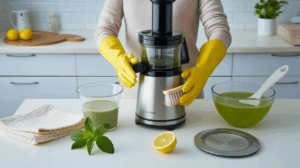
Essential Cleaning Supplies: Gather a Soft Brush, Mild Detergent, Cloth, and Warm Water
To effectively tackle the cleaning process, having the right cleaning supplies readily available is essential. Begin by acquiring a soft brush specifically designed for cleaning delicate appliances. This brush should feature gentle bristles capable of efficiently removing stubborn pulp and residue without causing any damage to the juicer’s components.
Mild detergent is your best ally in this cleaning endeavor. Opt for a natural or biodegradable detergent that is free from harsh chemicals. This choice not only benefits your juicer but is also more environmentally friendly. After all, the juices you create with your juicer are intended to nourish your body, so it’s crucial to maintain a clean and chemical-free environment throughout the juicing process.
Warm water is another critical element in this cleaning equation. It serves to dissolve stubborn residues more effectively than cold water, thereby enhancing the efficiency of your cleaning efforts. When combined with mild detergent, warm water creates a gentle yet effective cleaning solution. Lastly, have a clean cloth on hand for drying and polishing the juicer parts once they’re clean, ensuring that each component is ready for future use.
Careful Disassembly: Follow Manufacturer’s Instructions to Access All Juicer Parts
Disassembling your juicer requires careful attention and adherence to the manufacturer’s guidelines. Every model varies slightly, making it imperative to consult the specific instructions before you begin. Typically, juicers consist of several components, including the juicing screen, blade, and pulp container. Understanding how these parts fit together will enable you to disassemble them without causing any damage.
Start by removing the pulp container and any removable parts. Most juicers feature a straightforward mechanism for disassembly, often involving simple twists or clicks. It’s advisable to lay out the parts in the order they were removed. This organization can save you time and frustration when it comes to reassembling your juicer later on.
If you encounter resistance while attempting to disassemble, avoid forcing any parts apart. Instead, double-check the manufacturer’s instructions to ensure you’re following the correct steps. Forcing components can lead to breakage, resulting in costly repairs. Once disassembled, you will have full access to all the juicer parts, allowing for a thorough and effective cleaning.
Thorough Inspection: Check for Residual Pulp and Debris Before Cleaning
Before diving into the actual cleaning process, it’s essential to conduct a detailed inspection of your juicer parts. Residual pulp, seeds, and bits of fruit can often hide in the crevices and corners of the juicer. Thoroughly inspecting these areas ensures that you identify and remove any leftover debris before washing, which is crucial for maintaining hygiene.
Pay special attention to the juicing screen, where residue tends to accumulate. If not cleaned thoroughly, this debris can lead to unpleasant odors over time and may even impact the overall performance of your juicer. Any remaining pulp can ferment, creating an unhygienic environment that compromises the quality of your juices.
Don’t overlook the blade area, as residues left behind can dull the blade over time, reducing its effectiveness and the quality of your juice. After identifying any debris, prepare to clean each part systematically, ensuring that your juicer is maintained to the highest hygiene standards possible.
Manufacturer’s Guidelines: Consult the Manual for Specific Cleaning Instructions to Avoid Damage
Every appliance has unique characteristics, and your juicer is no exception. The manufacturer’s guidelines are an invaluable resource tailored specifically to your juicer model. Familiarizing yourself with these instructions can help you avoid common pitfalls that many new juicer owners encounter. Some juicers may have parts that are dishwasher safe, while others might require hand washing to prevent damage.
The guidelines often contain specific cleaning techniques for challenging areas. For instance, some manufacturers recommend using particular brushes or tools for cleaning the juicing screen to prevent damage. Ignoring these recommendations could lead to wear and tear that diminishes the lifespan of your juicer.
Moreover, reading the manual prepares you for potential challenges you may face. If your juicer features unique components or functions, understanding these can lead to better maintenance practices. Ultimately, respecting the manufacturer’s instructions helps you maintain the integrity and performance of your juicer, ensuring that it serves you well for many years to come.
Comprehensive Techniques for Cleaning Juicer Parts
Having prepared your workspace and gathered the necessary supplies, it’s now time to engage in the actual cleaning process. Each component of your juicer plays a critical role in its overall functionality, and keeping these parts clean is crucial for optimal performance. This section will guide you through effective methods for washing the juicing screen, cleaning the blade, and rinsing and drying the various components.
Effective Washing of the Juicing Screen: Gently Scrub with a Soft Brush and Warm Soapy Water to Remove Residue
The juicing screen is arguably the most vital component of your juicer, as it is responsible for separating juice from pulp. Therefore, maintaining its cleanliness is essential for the quality of the juice you produce. Begin by rinsing the screen under warm water to eliminate any loose particles. Following this, employ a soft brush to gently scrub the screen using warm soapy water.
When cleaning the juicing screen, adopt a circular motion with the brush, applying just enough pressure to dislodge any stubborn pulp without damaging the fine mesh that makes the screen effective. This technique is critical; excessive force risks compromising the screen’s functionality. Take your time during this cleaning process, as a thorough clean will ensure that your juicer continues to operate optimally, producing great-tasting juices.
Once you’ve finished scrubbing, rinse the screen thoroughly under warm water to wash away any soap residue. Leaving soap on the screen can adversely affect the taste of your juice. After rinsing, closely inspect the screen to ensure no pulp remains lodged in the mesh. If you identify any stubborn spots, repeat the brushing process. Your diligence at this stage will pay off by ensuring fresher, cleaner juice in future uses.
Blade Cleaning Essentials: Carefully Clean the Blade Using a Brush and Soapy Water to Ensure No Residue Remains
The blade in your juicer is designed to chop and blend fruits and vegetables, making its clean-up essential. Start by removing the blade component according to your juicer’s manual. Exercise caution when handling the blade, as it is typically sharp and poses a risk of injury.
Rinse the blade under warm water to help loosen any juice residue. Then, take your soft brush and apply mild soapy water to it. Gently scrub the blade, ensuring you reach all areas, particularly near the base where debris tends to linger. Your goal is to remove all juice residue, as neglecting this can lead to bacteria growth or compromise the flavor of future juices.
Once you’re satisfied that the blade is clean, rinse it thoroughly under warm water, double-checking for any soap residue. It’s crucial not to leave soap on the blade, as this can mix with your juice and impact flavor and hygiene.
After rinsing, place the blade on a clean cloth to dry. Ensure it is completely dry before reassembling your juicer, as moisture can lead to rust or mold if left unattended.

Rinsing and Proper Drying: Thoroughly Rinse All Parts with Clean Water and Dry to Prevent Mold Growth
After cleaning individual components, rinsing them is the next vital step. Each part should be rinsed thoroughly to eliminate any soap or residue that may have clung during the cleaning process. Warm water is ideal for rinsing, as it effectively removes soap remnants and any lingering pulp.
Once rinsed, it’s essential to dry each part carefully. A clean, lint-free cloth will help absorb moisture effectively. Drying thoroughly is crucial for preventing mold and bacterial growth, which can develop in damp environments. Be diligent about drying the components completely before reassembling your juicer, as this attention to detail ensures both hygiene and prolongs the lifespan of your appliance.
If you don’t plan to use the juicer immediately, consider allowing the components to air dry for extra assurance that all moisture is evaporated. Storing damp parts can result in unwanted odors and potential health risks. By following these steps, you are setting yourself up for a cleaner, more efficient juicing experience in the future.
Advanced Deep Cleaning Techniques for Your Juicer
While regular cleaning is vital, there will be times when you need to enhance your efforts to tackle stubborn residues or lingering odors. In this section, we will explore various deep cleaning techniques that can help restore your juicer to a pristine condition.
Soaking for Stubborn Residue: Submerge Parts in Warm Soapy Water for 10-15 Minutes to Loosen Tough Pulp and Stains
When conventional cleaning methods fail to eliminate stubborn residue, soaking can be a transformative solution. Fill a basin or sink with warm soapy water and submerge the juicer parts that exhibit heavy buildup. Allow them to soak for approximately 10-15 minutes; this soaking duration will loosen tough pulp and stains, making them significantly easier to clean.
While soaking, gently stir the parts in the water at intervals to help dislodge any remaining debris. After the soaking period, take your soft brush and begin scrubbing each part. You will find that residues that once seemed obstinate come off with ease.
Once you’ve scrubbed all the parts, rinse them thoroughly under warm water to remove any soap. Then, inspect them for any lingering stains or pulp. If necessary, repeat the soaking process for particularly stubborn areas. This deep cleaning method ensures a comprehensive clean, allowing you to maintain the quality and hygiene of your juicer.
Using Vinegar to Eliminate Odors: Mix Equal Parts Vinegar and Water to Soak Parts and Remove Lingering Smells
Vinegar is a powerful, natural deodorizer that can effectively combat lingering odors in your juicer. If you detect unpleasant smells even after regular cleaning, it’s time to leverage the power of vinegar. Create a solution by mixing equal parts vinegar and water in a basin or sink, and soak the problematic parts for about 10-15 minutes.
The acidity in vinegar works wonders in neutralizing odors and dissolving any stubborn residues. After the soaking period, scrub the parts with a soft brush to ensure thorough cleaning. Rinse them under warm water to wash away the vinegar solution.
Not only does this method eliminate odors, but it also leaves your juicer smelling fresh for your next use. This technique is particularly effective for juicers that may have been used for pungent fruits or vegetables like beets or kale, which can leave behind strong smells.
Scrubbing Hard-to-Reach Areas: Utilize a Small Brush to Access Crevices and Remove Buildup
Many juicer designs feature intricate components and small crevices where pulp and residue can hide. Regular cleaning may not adequately reach these areas, potentially leading to hygiene concerns. To tackle this challenge, invest in a small brush or an old toothbrush dedicated solely to cleaning your juicer.
This small brush can reach even the most challenging spots. As you meticulously scrub these areas, pay close attention to the corners and joints of your juicer parts. A thorough cleaning here will help prevent bacteria buildup and ensure that your juicer remains in excellent working condition.
You might also consider using a damp cloth or sponge to wipe down surfaces after scrubbing. This two-step process will help remove any loosened debris and keep your juicer spotless. Remember, these details matter significantly in maintaining the effectiveness and longevity of your juicer.
Steam Cleaning for Effective Sanitization: Harness a Steam Cleaner to Sanitize Surfaces and Remove Grease and Grime
For those looking to elevate their cleaning routine, steam cleaning is an excellent option. A steam cleaner can efficiently sanitize all surfaces of your juicer, eliminating both grime and bacteria with minimal effort. Since steam cleaning utilizes high-temperature steam, it also helps dissolve stubborn residues that traditional cleaning methods might miss.
Before utilizing a steam cleaner, ensure that all parts are disassembled and, if necessary, wiped down to remove larger debris. Once ready, direct the steam towards the surfaces, focusing especially on areas like the juicing screen and blade. The heat from the steam will dissolve residues while killing any lingering germs or bacteria.
After steam cleaning, allow the parts to cool down and air dry before reassembling. This method guarantees a hygienic environment for your next juicing session. The result is not just a clean juicer, but one that is free from harmful microorganisms—essential for maintaining health and safety while enjoying your nutritious juices.
Long-term Maintenance of Your Juicer
Cleaning is just one facet of the overall care and maintenance of your juicer. Regular maintenance plays a vital role in ensuring that your appliance operates smoothly and lasts for many years. Here, we will cover essential practices that will keep your juicer in optimal condition.
Establish a Regular Cleaning Schedule: Clean Your Juicer After Each Use to Prevent Build-Up and Maintain Efficiency
Creating a regular cleaning schedule is crucial for sustaining your juicer’s performance. Aim to clean your juicer immediately after every use. This practice prevents pulp and residues from drying out and sticking to the components, which can make future cleaning significantly more challenging.
Set aside a few minutes after juicing to disassemble and meticulously clean each part. This short commitment to cleaning can save you time and trouble down the road, ensuring that your juicer continues to work efficiently. Remember, a clean juicer not only performs better but also produces higher quality juice.
Incorporating this routine into your juicing process will soon feel like a natural extension of your activities. Over time, it will become second nature, and you’ll appreciate the ease of maintaining your appliance without the stress of accumulated grime.
Regular Inspections for Wear and Tear: Check Parts for Signs of Damage or Wear That Might Impact Performance
Routine inspections are just as important as regular cleaning. Periodically examine your juicer parts for any signs of wear and tear. Look out for frayed edges on the juicing screen, dull blades, or cracks in any component. Addressing these issues promptly can prevent more significant problems from arising later on.
If you notice any components that require replacement, refer to your juicer’s manual or consult the manufacturer for suitable replacements. Using the correct parts is crucial for maintaining both the performance and safety of your juicer. Ignoring signs of wear can lead to inconsistent juicing results and may even render the juicer inoperable.
Making inspections a part of your cleaning routine allows you to catch any issues early. This proactive approach not only helps maintain the quality of your juices but also prolongs the lifespan of your juicer, ultimately providing value for your investment.
Lubrication of Moving Parts: Apply Food-Grade Lubricant to Moving Components as Recommended for Smooth Operation
Maintaining the moving parts of your juicer is essential for ensuring it operates smoothly. Over time, these components can wear down and may require lubrication. Always opt for food-grade lubricant specifically designed for kitchen appliances to avoid any contamination risks.
Refer to the manufacturer’s guidelines for specific recommendations on how often to lubricate and which parts to focus on. Typically, the areas where the blades and the juicing mechanism connect will benefit the most from lubrication.
Applying the appropriate amount of lubricant will help minimize friction, allowing your juicer to function efficiently. This step not only enhances performance but also helps prevent damage to the motor or other components due to excessive wear.
Resolving Common Juicer Issues
Despite diligent care and maintenance, you may encounter issues with your juicer. This section addresses some common problems along with their solutions, empowering you to resolve them confidently.
Dealing with Clogs: Disassemble the Juicer and Remove Blockages with a Brush or Tool
Clogs can be one of the more frustrating challenges juicer owners face, especially for beginners. If your juicer stops functioning correctly or begins producing unusual noises, it may be time to address a clog. Start by unplugging your juicer and disassembling it according to the manufacturer’s instructions.
Once disassembled, carefully inspect each part, particularly the juicing screen and the chute. Utilize a small brush or tool to remove any blockages you find. Often, these clogs are caused by fibrous fruits or vegetables, so being mindful of your ingredient selections can help prevent future clogs.
After clearing the blockage, reassemble the juicer and conduct a quick test with less fibrous ingredients to ensure everything is functioning smoothly again. This approach will help restore your confidence in your juicing routine.
Addressing Unusual Noises: Inspect for Loose Parts or Debris Causing Noise and Tighten or Clean as Needed
If your juicer starts making unusual noises, it’s crucial to investigate the cause. Noises often signal that something is wrong, whether due to loose parts or debris caught within the mechanism. Begin by unplugging the juicer and carefully disassembling it.
Inspect each part for tightness; if you notice any loose screws or components, tighten them. Additionally, check for debris that might be obstructing the moving parts. A quick clean can often resolve these noise concerns, restoring your juicer to its quiet operation.
After addressing the issue, reassemble the juicer and run a test to ensure that the noise has been eliminated. If the problem persists, consider consulting the manufacturer for further guidance, as they may have specific solutions based on your model.
Resolving Leaks: Inspect Seals and Gaskets for Damage or Improper Fitting and Replace If Necessary
Leaking juicers can create a mess and lead to confusion about the source of the issue. If you notice juice pooling or leaking, it’s time to investigate. Begin by inspecting the seals and gaskets, designed to prevent leaks. Look for any signs of damage or wear, as these components can deteriorate over time.
If you identify any damaged seals, replacing them is crucial to halt leaks. Manufacturers often provide replacement parts that can be easily installed. If the seals appear intact, ensure that they’re fitted correctly, as misalignment can lead to leaks where there previously were none.
After addressing any seal issues, perform a test run with a small amount of juice to check for leaks. Regularly checking these components can save you from larger messes down the line.

Managing Overheating: If Your Juicer Overheats, Turn It Off and Let It Cool Down, Checking for Blockages or Excessive Use
Overheating is a safety concern that should never be ignored. If you notice your juicer becoming excessively hot during operation, it’s imperative to turn it off immediately and allow it to cool down. Frequent overheating can damage both the motor and the appliance’s components, making it essential to address this issue.
Once your juicer has cooled, disassemble it and check for blockages that may be hindering its performance. A blockage can force the motor to work harder than necessary, resulting in overheating. Additionally, ensure that the juicer is placed in a well-ventilated area, as poor airflow can contribute to overheating issues.
Frequent use without adequate breaks can also lead to overheating. Consider limiting your juicing sessions or allowing the juicer to rest between uses. Taking these precautions will help maintain your juicer’s longevity and efficiency.
Optimal Storage Techniques for Your Juicer
Properly storing your juicer is just as crucial as its cleaning and maintenance. In this section, we’ll discuss techniques for storing your juicer in a way that maximizes its longevity and efficiency.
Drying Components Before Storage: Ensure All Parts are Completely Dry to Prevent Mold and Mildew
Before placing your juicer into storage, ensure that all parts are completely dry. Any moisture left on the components can lead to the growth of mold and mildew, which not only compromises the hygiene of your juicer but can also negatively impact the quality of your juices.
After cleaning, allow the components to air dry thoroughly. You may also use a clean towel to wipe down any remaining moisture, paying particular attention to areas that tend to retain water, such as the juicing screen and blade.
Storing a damp juicer is a recipe for disaster, so take the time to double-check that every part is free of moisture before packing it away. This diligence will pay off by maintaining the freshness and quality of your juices.
Effective Storage Techniques: Keep Your Juicer in a Dry, Cool Place and Consider Using a Storage Bag for Smaller Components
When it comes to storing your juicer, selecting the right location is paramount. Find a dry, cool area away from direct sunlight and heat sources. Excessive heat can warp plastic components and degrade seals over time, making it vital to keep your juicer in a stable environment for its longevity.
For smaller components like the juicing screen or brushes, consider using a storage bag to keep them organized. This method prevents them from getting lost or damaged during storage. Labeling the storage bag can also help you quickly find the necessary parts when you need them.
By adopting these measures, you ensure that your juicer remains in excellent condition, ready for use whenever you decide to whip up a delicious juice.
Organizing Components for Accessibility: Keep All Parts Together and Organized for Easy Reassembly
Organizing your juicer components is essential for hassle-free access during your next juicing session. By keeping all parts together in one designated location, you can eliminate the frustration of searching for missing components when you’re ready to use the juicer again.
Consider using a drawer or storage container to keep everything in one place. If space allows, a designated juicer storage caddy can be a charming addition to your kitchen and serve as a reminder to juice regularly.
When it’s time to use your juicer again, you’ll appreciate the easy access to all parts, enabling a smoother experience. This organization will make juicing feel less like a chore and more like an enjoyable, health-focused activity.
Final Cleaning Before Storage: Thoroughly Clean All Juicer Parts with Warm Soapy Water or According to Manufacturer’s Instructions
Before placing your juicer into storage, it’s essential to conduct one final cleaning. This step ensures that all parts are free from any residues or odors that could develop during the storage period. Utilizing warm soapy water, clean each component thoroughly, adhering to the guidelines you’ve learned.
Time spent cleaning before storage is time well invested. It not only preserves your juicer’s performance but also keeps it hygienic for your next use. After cleaning, allow the parts to dry completely, as previously discussed.
A clean juicer is a joy to use, and knowing that you’ve taken steps to ensure its hygiene will encourage more frequent juicing. By following these practices, you set yourself up for a healthier lifestyle and a more enjoyable juicing experience.
Routine Maintenance Checks: Regularly Inspect and Maintain Your Juicer, Checking for Wear and Tear, and Lubricating Moving Parts as Necessary
To ensure that your juicer continues to function optimally, incorporate routine maintenance checks into your schedule. Regularly inspect all parts, looking for signs of wear and tear that may affect performance. These checks are particularly important for moving parts, which can wear down over time and may require lubrication to keep operating smoothly.
If you identify any components that show signs of damage, address these issues promptly. Timely replacement of worn-out parts can save you from bigger headaches later on. By staying ahead of potential problems, you help preserve the quality of your juicing experience.
Additionally, lubricate moving parts as per the manufacturer’s recommendations. Regular lubrication helps maintain the efficiency of your juicer, ensuring it operates smoothly for years to come. By prioritizing periodic maintenance checks, you establish a proactive approach to your juicer care, setting the stage for long-term success.
Frequently Asked Questions About Juicer Care
How often should I clean my juicer?
You should clean your juicer after every use to prevent residue build-up and maintain hygiene, ensuring better-tasting juice.
Can I put my juicer parts in the dishwasher?
It depends on the manufacturer’s guidelines. Some juicer parts are dishwasher safe, while others should be washed by hand to avoid damage.
What is the best way to remove stubborn stains from my juicer?
Soaking the parts in warm, soapy water can help loosen stubborn stains. For persistent issues, consider using vinegar or a specialized cleaner.
How can I prevent my juicer from clogging?
To prevent clogs, choose softer fruits and vegetables and cut them into smaller pieces before juicing. Regular cleaning also helps maintain flow.
What should I do if my juicer is leaking?
Inspect seals and gaskets for damage. If you find any worn parts, replace them, and ensure everything is correctly fitted to prevent leaks.
Is it necessary to lubricate my juicer?
Yes, lubricating moving parts as recommended by the manufacturer is essential for ensuring smooth operation and longevity.
How do I know if my juicer needs a deep clean?
If you notice unpleasant odors, stubborn residue, or decreased performance, it’s time for a deep clean. Regular deep cleaning helps maintain hygiene.
Can I use bleach to clean my juicer?
It is not recommended to use bleach, as it can leave harmful residues. Stick to mild detergents or natural cleaners like vinegar.
What are some common issues with juicers?
Common issues include clogging, leaks, unusual noises, and overheating. Regular maintenance and proper cleaning can help prevent these problems.
Where should I store my juicer?
Store your juicer in a dry, cool place away from direct sunlight. Make sure all parts are dry and organized for easy access when needed.


Oh, the juicer cleaning saga! It’s like preparing for battle, isn’t it? I’ve learned the hard way that the soft brush is truly a warrior in this scenario. Just the other day, I found a piece of kale from a smoothie I made, oh, let’s say, three weeks ago? The horror!
Cleaning a juicer really can feel like gearing up for an epic showdown, can’t it? I sympathize with your kale ordeal; those little leafy bits have a way of turning up at the most unexpected times. Kale can be persistent, almost like it’s trying to make a comeback in your kitchen long after the smoothie has been consumed. It’s funny how a piece of forgotten produce can haunt our juicing experience, reminding us of our culinary misadventures.
Totally get where you’re coming from with the juicer cleanup. It can feel like you’re gearing up for a mini-excavation! That soft brush really is indispensable; it gets into the crevices where those sneaky bits of kale decide to hide. Three weeks? That’s impressive, but also a little terrifying. I once found remnants of some forgotten ginger that had turned into something questionable. It’s like you think you’re conquering the healthy life, but your juicer has other plans. Have you ever tried soaking the parts in warm, soapy water before diving in? Makes the cleanup a bit less of a battle and more of a strategic approach.
The juicer cleaning saga really is its own adventure, right? That soft brush is definitely an unsung hero in this whole process. It’s almost funny how a tiny piece of kale can remind us of our busy lives. It’s one of those moments that hits you with a mix of horror and a bit of humor, especially when you discover something that’s been in there for weeks.
I really appreciate how you’ve broken down the steps for cleaning a juicer. It’s true that it can seem a little daunting at first, especially after whipping up a mean green juice or some citrus concoction. I remember the first time I used my juicer, I was so excited about the fresh juice that I kind of forgot about the mess it would leave behind. Once I got to cleaning, I was standing there with a perplexed look on my face, trying to figure out how to tackle all those little parts. So your emphasis on safety and preparation really resonates with me!
It’s interesting to hear how your first experience with a juicer turned into a mini puzzle. That excitement about fresh juice can definitely overshadow the reality of cleanup, can’t it? Many of us dive straight into the joys of juicing without thinking ahead to the aftermath. When you step away from that green goodness, you suddenly find yourself staring at a mountain of parts, some of which look like they belong in a science lab rather than your kitchen.
I really appreciate the focus on safety in your post. It’s such a simple step, but so easily overlooked, especially when you’re in a rush to clean up after making a fresh juice. I’ve definitely made the mistake of not unplugging my juicer before diving into cleaning, and I can imagine how easily accidents can happen.
I completely agree with you on the importance of safety, especially in the kitchen where things can get hectic. It’s easy to get caught up in the excitement of creating something delicious, like fresh juice, and overlook those crucial little steps that keep us safe. I think it’s a common experience for many people, and your comment highlights a significant point: we often rush through tasks without fully considering the potential risks.
I completely relate to your experience. It’s one of those moments where you’re just caught up in the task, wanting to get everything clean and back in order. I think many of us have been there—lost in the hustle and forget the basics.
I totally relate to that feeling of juicer dread! It’s easy to let the cleaning process intimidate you, especially after you’ve made a delicious green juice. I’ve found that keeping a cleaning routine right after juicing helps a lot—like, I often rinse the parts with warm water immediately before they dry out and get all sticky. Also, a quick soak in soapy water makes a huge difference.
I really appreciate your focus on safety as the first step in cleaning a juicer. It’s something that often gets overlooked, but it sets a solid foundation for the whole process. I remember the first time I attempted to clean mine; I was so eager to get it done that I almost forgot to unplug it! That little reminder is a game changer for anyone who’s a bit too enthusiastic.
It’s so true that safety can easily slip our minds when we’re eager to dive into a task. I’ve had my share of close calls in the kitchen, especially when I’m excited about making a fresh juice. It’s funny how we sometimes overlook those simple steps because we get caught up in the moment.
I completely resonate with your point about safety being the first step in juicer cleaning! I learned that the hard way when I accidentally left mine plugged in once while cleaning. Keeping a secure environment makes such a difference.
I really appreciate the emphasis on safety as the first step—it’s something often overlooked but so crucial. I’ve found that having a cleaning routine not only keeps my juicer in great shape but also encourages me to juice more frequently! Incorporating more fruits and veggies into my diet has become a fun challenge, and knowing that cleanup will be easy makes a big difference.
Your emphasis on safety when cleaning our juicers truly resonates with me. I’ve had my fair share of mishaps in the kitchen, so ensuring the juicer is unplugged is now a rule I strictly follow. It’s such a simple step, but it makes such a difference in how confident I feel tackling that cleanup.
I really appreciate your emphasis on safety as the first step in cleaning a juicer. It’s often the small details that can make a big difference in our kitchen routines, and unplugging the appliance is definitely one of those key steps that shouldn’t be overlooked. I can recall my early days of juicing when I was sometimes a bit careless in this regard, thinking that I was just taking a quick step between juicing and cleaning. It’s a good reminder that prioritizing safety not only protects us physically but also allows us to approach cleaning with a clearer mind, free from distraction or worry.
Your experience highlights a crucial point that many of us can relate to. The hustle of juicing can sometimes make us forget about the basics, like safety. It’s easy to think we’re just taking a quick break when, in reality, it only takes a moment for something to go wrong.
I appreciate your insights on the importance of safety when cleaning a juicer. I’ve had my fair share of mishaps before realizing that the first step is indeed to unplug the device – a lesson learned the hard way! It’s interesting how something as simple as cleaning can reflect our broader relationship with technology and health. Taking care of our appliances allows us to nurture our health better through fresh juices.
It’s interesting how often we overlook the importance of preparation in tasks that seem straightforward, like cleaning a juicer. I remember when I first started juicing, I found myself dreading the cleanup process. But once I learned to approach it methodically—like you mentioned, starting with safety and gathering the right tools—it really transformed my experience.
I really appreciate the emphasis on safety when it comes to juicer cleaning! It’s fascinating how often we overlook that first step, which can be so easily neglected. I’ve learned the hard way that taking those extra few seconds to unplug appliances can spare us from potential mishaps. Your point reminds me of how safety in the kitchen should always be a priority—just like when we’re cooking, we need to ensure we’re setting ourselves up for success with the right precautions.