


Unlocking the Metabolic Boost: How Juice Enhances Your Body’s Caloric Burn
Integrating juice into your daily routine presents a vibrant and enjoyable method to amplify your metabolic processes. The diverse nutritional components present in various juices are essential for promoting overall health and improving your body’s capacity to efficiently burn calories. By incorporating different juices into your lifestyle, you can benefit from their unique properties while indulging in refreshing flavors sourced from various regions worldwide, thus supporting your journey toward a healthier life.
Essential Vitamins and Minerals: Fueling Your Metabolism
Juices are often loaded with crucial vitamins and minerals that work in harmony to boost metabolic processes and elevate energy levels significantly. For example, vitamin C, abundant in citrus juices, is vital for synthesizing carnitine, a compound that aids in transporting fatty acids into the mitochondria for energy production. Juices derived from oranges, grapefruits, and lemons can substantially increase your vitamin intake. Likewise, juices made from leafy greens like kale and spinach are rich in iron, calcium, and magnesium, all of which are essential for sustaining metabolic health.
Additionally, B vitamins found in many fruit juices play a pivotal role in energy metabolism. They facilitate the conversion of carbohydrates into glucose, the primary fuel for your body to operate effectively. By enjoying nutrient-rich juices, you not only enhance your metabolism but also bolster overall health and vitality, providing your body with a strong foundation for daily activities and challenges.

Powerful Enzymes and Phytonutrients: Optimizing Digestion and Metabolism
The enzymes and phytonutrients present in juice are crucial for digestion and metabolic function. Enzymes facilitate vital biochemical reactions in your body, breaking down food components into nutrients that can be absorbed efficiently. For instance, pineapple juice contains bromelain, an enzyme that assists with digestion and can alleviate bloating, enabling your body to utilize nutrients more effectively.
Conversely, phytonutrients are naturally occurring compounds in plants that provide extensive health benefits. Compounds such as flavonoids and carotenoids found in various juices have been shown to enhance metabolic function and support cellular health. For example, beet juice is rich in nitrates, which can enhance blood flow and oxygen delivery to muscles, optimizing performance during physical activities and ultimately boosting metabolism.
Moreover, the vibrant pigments in fruit and vegetable juices signify their rich phytonutrient content. A colorful juice not only appeals visually but also indicates a wealth of health benefits that can significantly enhance your metabolism. By incorporating a diverse range of juices into your diet, you can ensure that you receive a comprehensive array of these essential compounds.
Hydration and Optimal Cellular Function: The Metabolic Connection
Juice serves as an exceptional source of hydration, which is vital for cellular function and metabolism. Adequate hydration allows your body to efficiently process nutrients, eliminate waste, and maintain optimal bodily functions. When dehydrated, metabolic rates can slow down significantly, making it crucial to incorporate hydrating juices into your daily regimen to support metabolic efficiency.
For instance, watermelon juice, celebrated for its high water content, is not only refreshing but also assists in maintaining hydration levels. This hydration, in turn, supports metabolic processes by facilitating nutrient transport and energy production across cells. When your cells are well-hydrated, they function more effectively, leading to a more vigorous metabolic response.
Furthermore, hydration through juice consumption can regulate body temperature and promote cardiovascular health. During physical activities, replenishing lost fluids is essential, and hydrating juices can serve as an excellent means to achieve this while providing vital nutrients that bolster metabolism.
Antioxidants for Immune Support: Strengthening Your Metabolism
Juice is a rich source of antioxidants that combat oxidative stress, a significant factor influencing metabolic function. Antioxidants neutralize free radicals in the body, which can otherwise lead to cellular damage and disrupt metabolic pathways. For instance, berry juices, such as those made from blueberries and raspberries, are abundant in anthocyanins, powerful antioxidants that safeguard cells and promote metabolic health.
Consuming juice that is fortified with antioxidants can also enhance your immune system, making you more resilient against illnesses that could hinder your metabolic rate. A robust immune system ensures your body can efficiently manage energy and resources, further boosting overall metabolic activity. Juices like pomegranate, recognized for their high antioxidant content, help reduce inflammation and support metabolic efficiency.
Incorporating a variety of antioxidant-rich juices into your diet can provide a formidable defense against oxidative damage, ensuring that your metabolism operates smoothly and efficiently.
Fiber and Gut Health: The Metabolic Advantage
While many juices are traditionally viewed as low in fiber, certain varieties do contain beneficial fiber that can significantly support digestive health and, in turn, enhance metabolism. For example, juices made from whole fruits like apple or pear juice retain some of their fiber content, which aids in digestion and promotes a healthy gut microbiome.
fiber plays a fundamental role in regulating bowel movements and maintaining healthy digestion, both of which are vital for optimal metabolic function. A well-functioning digestive system ensures that nutrients are effectively absorbed and utilized, preventing metabolic slowdowns associated with digestive issues. Furthermore, fiber contributes to feelings of fullness, which can help regulate appetite and prevent overeating.
In terms of metabolism, fiber-rich juices may also aid in better blood sugar regulation, enhance insulin sensitivity, and support weight management efforts. By including fiber-rich juices in your diet, you establish a solid foundation for digestive health, which further supports your body’s metabolic capabilities.

Exploring the Varied Types of Juices and Their Metabolic Effects
The wide array of juices available today offers distinct benefits, particularly concerning metabolic enhancement. With numerous flavors and nutritional profiles, understanding how different types of juices impact metabolism can empower you to make informed choices that align with your health objectives.
The Nutrient Powerhouse: Benefits of Green Juices
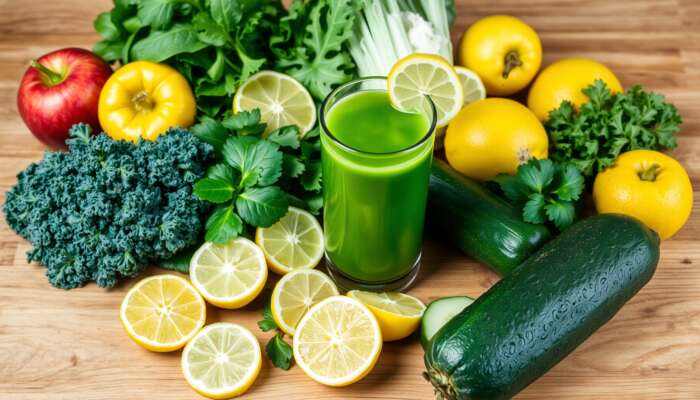
Green juices, often acclaimed for their nutrient density, can significantly accelerate metabolism by facilitating detoxification and enhancing nutrient absorption. These juices typically feature a blend of leafy greens like spinach, kale, and parsley, mixed with fruits for added sweetness. The chlorophyll in these greens is not only responsible for their vibrant color but also plays a crucial role in detoxifying the body and improving liver function, which is essential for sustaining metabolic health.
Moreover, green juices are low in calories yet packed with vitamins, minerals, and antioxidants, making them an ideal choice for those aiming to boost metabolism without excess caloric intake. Their high nutrient density ensures that your body receives essential nutrients while simultaneously promoting metabolic efficiency.
Research indicates that the phytochemicals in green juices can enhance fat oxidation during exercise, leading to improved metabolic rates. Whether consumed as a refreshing morning drink or a revitalizing afternoon pick-me-up, green juices can serve as a powerful ally in your quest for optimal metabolic health.
Revitalizing Citrus Juices: A Metabolic Game Changer
Citrus juices, including orange, grapefruit, and lemon, are renowned for their high vitamin C content, offering a significant metabolic boost. Vitamin C plays a crucial role in fat oxidation, helping your body utilize stored fat for energy. Studies have shown that grapefruit juice may lower insulin levels and enhance fat burning, making it a favored option in weight management strategies.
In addition to their fat-burning capabilities, citrus juices are hydrating and refreshing, making them an excellent choice for warm climates or post-exercise recovery. The acidity of these juices can also aid in digestion, promoting a healthier gut and enhancing nutrient absorption, thereby supporting metabolic function.
By incorporating citrus juices into your diet, you can enjoy the metabolic benefits while indulging in a burst of refreshing flavor. Consider blending citrus juices into smoothies or using them in salad dressings to enrich both taste and health benefits.
Exploring Root Vegetable Juices: Unique Metabolic Benefits
Root vegetable juices, such as those made from beets, carrots, and ginger, provide unique metabolic advantages due to their complex carbohydrates and fiber content. These juices offer sustained energy and can help stabilize blood sugar levels, preventing energy crashes that may hinder metabolic function.
Beet juice, in particular, has gained popularity for its high nitrate content, which has been shown to enhance athletic performance and improve blood flow. This boost in circulation can lead to better oxygen delivery to muscles during physical activities, ultimately increasing metabolism and aiding recovery.
Carrot juice, rich in beta-carotene and other essential nutrients, also contributes to metabolic health by supporting eye health and immune function. By integrating a variety of root vegetable juices into your diet, you can savor their unique flavors while reaping the rewards for your metabolism.
The Impact of Juice Fasting on Metabolic Health
Juice fasting has emerged as a popular method for individuals seeking to enhance their metabolic health. By consuming only juice for a designated period, individuals may experience a variety of metabolic benefits, provided this practice is approached with caution and informed understanding.
Short-Term Fasting: Unlocking Immediate Metabolic Benefits
Engaging in short-term juice fasting can deliver a robust metabolic boost by creating a nutrient-rich, low-calorie diet. This approach allows your body to detoxify while supplying an abundance of vitamins, minerals, and antioxidants. During a brief juice fast, your body can shift its energy source from solid foods to the easily digestible nutrients present in juice, potentially increasing metabolic rate as it processes these liquids.
Research indicates that short juice fasts may improve insulin sensitivity, lower markers of inflammation, and promote fat loss, creating an optimal environment for metabolic health. However, the key to realizing these benefits lies in ensuring that the juices consumed are diverse and nutrient-dense, offering a range of vitamins and minerals essential for supporting metabolic functions.
Moreover, short-term juice fasting can foster mindfulness regarding food choices, encouraging a more conscious approach to nutrition even after the fast has ended. By gaining insight into how different juices affect your body, you can make informed decisions that promote long-term metabolic health.
Long-Term Fasting: Important Considerations for Metabolic Health
While the short-term benefits of juice fasting are attractive, long-term fasting necessitates careful consideration and monitoring. Prolonged juice fasting can lead to nutrient deficiencies if not planned appropriately, as it may lack certain essential nutrients found in solid foods, such as protein and healthy fats.
Extended juice fasting may also alter metabolic rate due to the body adapting to lower calorie intake. As a result, individuals may experience a slowdown in metabolism, which can counteract the initial benefits derived from the fast. It is crucial to consult with a healthcare professional or registered dietitian before embarking on long juice fasts to ensure your nutritional needs are being met.
Additionally, balancing juice fasting with a gradual return to solid foods is essential for maintaining metabolic health. Transitioning back to a balanced diet should be done gradually to prevent overwhelming the digestive system and help the body readjust to solid food consumption.
Seamless Transitioning Back to Solid Foods for Optimal Metabolic Health
Smoothly transitioning back to solid foods after a juice fast is critical for sustaining metabolic health. Abruptly reintroducing solid foods can lead to digestive discomfort and potential overeating. Instead, focus on gradually integrating whole foods that are nutrient-dense and easy to digest, such as cooked vegetables, whole grains, and lean proteins.
This gradual approach enables your digestive system to adjust appropriately, ensuring that nutrient absorption is optimized. Engaging in mindful eating practices during this transition can also help maintain awareness of hunger cues and prevent excessive caloric intake.
By carefully navigating the transition from juice fasting back to solid foods, you can maximize the metabolic benefits experienced during the fast while promoting sustained energy levels and overall health.
Understanding the Impact of Juice Fasting on Metabolic Rate
The effects of juice fasting on metabolic rate can vary significantly among individuals. While some may experience an initial increase in metabolic activity due to the body’s heightened need to process nutrients from juices, others may find their metabolic rate declines with prolonged fasting.
Individual factors such as age, body composition, and activity level significantly influence how juice fasting affects metabolism. Regular monitoring and adjustments to juice intake can help optimize metabolic function. It’s essential to listen to your body and ensure that your caloric and nutrient needs are being met throughout the fasting process.
Understanding the varying effects of juice fasting on metabolic rate can empower individuals to utilize this practice in a safe and effective manner. By aligning juice fasting with personal health goals, you can harness its potential benefits while maintaining a balanced approach to nutrition.

Maximizing the Benefits of Juice through Exercise
Incorporating juice into your fitness regimen can amplify the advantages of exercise, enhancing energy levels, recovery, and overall metabolic performance. The synergy between juice consumption and physical activity creates a powerful combination that can support a healthy lifestyle.
Pre-Workout Juice: Energizing Your Exercise Routine
Consuming juice before workouts can provide a rapid source of energy and improve metabolic performance. Juices rich in carbohydrates, such as orange or apple juice, offer readily available sugars that can fuel your body during exercise. This energy boost can enhance endurance and overall workout performance, empowering you to exert more effort and achieve superior results.
Moreover, juices that contain electrolytes, such as coconut water or sports drinks infused with juice, can help maintain hydration levels, preventing fatigue during workouts. Staying adequately hydrated before exercise is crucial for optimal performance, as even mild dehydration can impair physical capabilities.
Selecting pre-workout juices that align with your fitness goals can set the stage for a successful workout, enhancing both energy levels and metabolic response.
Post-Workout Juice: Essential for Recovery
Post-workout recovery is vital for replenishing nutrients and supporting metabolic function. Consuming juice after exercise can facilitate recovery by restoring lost fluids and nutrients, especially if the juice contains a balance of carbohydrates and electrolytes. For instance, drinking beet juice after a workout can accelerate muscle recovery due to its nitrate content, which enhances blood flow and reduces muscle soreness.
Additionally, juices rich in vitamin C, like citrus juices, can bolster immune function and reduce inflammation, further supporting recovery. The antioxidants in these juices can combat oxidative stress induced by exercise, helping maintain metabolic efficiency and overall health.
Regularly incorporating juice into your post-workout routine can foster sustained metabolic improvements, ensuring that your body is well-nourished and primed for the next workout.
Regular Exercise Coupled with Juice Intake: A Holistic Approach
The synergy of regular exercise and juice consumption can lead to sustained enhancements in metabolic health. Engaging in physical activity not only aids in burning calories but also influences hormones that regulate metabolism, such as insulin and cortisol. Juices can complement this process by providing essential nutrients that support energy levels and recovery.
Research suggests that individuals who engage in consistent physical activity while consuming nutrient-dense juices may experience improved fat oxidation and better metabolic rates. This synergy is particularly advantageous for weight management and overall health.
Incorporating a variety of juices into your diet while maintaining an active lifestyle can create a holistic approach to health, facilitating improved metabolic function and overall wellness.
Optimal Timing for Juice Consumption: Enhancing Energy and Recovery
Strategically timing juice intake around exercise can maximize energy levels and recovery, thereby enhancing workout effectiveness. Consuming juice before exercise provides quick energy, while post-workout juices assist in recovery. Additionally, timing juice consumption throughout the day can help maintain steady energy levels and support metabolic function.
For example, enjoying a nutrient-dense juice in the morning can kickstart your metabolism, providing essential vitamins and minerals to fuel your day. Alternatively, a refreshing juice in the afternoon can help stave off cravings, reducing the likelihood of snacking on less nutritious options.
By understanding the optimal timing for juice consumption, individuals can leverage the benefits of juice to enhance their metabolic health and overall well-being.
Juice as a Tool for Effective Weight Management
Incorporating juice into your dietary regimen can be an effective strategy for managing weight and enhancing metabolic health. By understanding the caloric content and satiety effects of juice, individuals can make informed choices that align with their weight management goals.
Caloric Content: A Key Factor in Metabolism
Low-calorie juices can aid in weight management by boosting metabolism without excessive caloric intake. For example, vegetable juices, such as cucumber or celery juice, are low in calories yet rich in nutrients, making them excellent options for those looking to enhance metabolic function while controlling caloric intake.
Research indicates that consuming low-calorie juices can create a caloric deficit, leading to weight loss while ensuring that the body receives vital nutrients. By substituting high-calorie snacks with nutrient-dense juices, individuals can support their metabolic health without sacrificing their dietary objectives.
Understanding the caloric content of various juices can empower individuals to make healthier choices while still enjoying the refreshing flavors and health benefits that juice offers.
Enhancing Satiety and Appetite Control through Juice
Juice can contribute to increased satiety, effectively reducing overall calorie consumption and aiding in weight management. Juices that contain fiber or are paired with whole fruits can promote feelings of fullness, helping to curb cravings for unhealthy snacks. For instance, smoothies made with whole fruits and vegetables can provide both hydration and fiber, making them more satisfying than juices alone.
Furthermore, consuming juice before meals can help regulate appetite, potentially leading to reduced calorie intake during main meals. By strategically incorporating juice into your diet, you can enhance satiety and foster healthier eating habits.
Understanding the role of juice in appetite control can support your weight management journey by encouraging a balanced approach to nutrition.
Long-Term Weight Maintenance: The Role of Juice in Your Diet
Incorporating juice into a balanced diet can support long-term weight maintenance and metabolic health. Juices rich in nutrients provide essential vitamins and minerals that the body requires to function optimally, which is crucial for maintaining a healthy weight.
Moreover, the refreshing nature of juice can serve as a satisfying alternative to high-calorie beverages, helping to reduce overall caloric intake. For instance, replacing sugary drinks with fresh fruit juices can significantly cut down on empty calories while providing a wealth of nutrients.
By making juice a regular part of your dietary routine, you can cultivate a sustainable approach to weight management, ensuring that your body receives the nutrients it needs to thrive while keeping your metabolism functioning efficiently.
Nutrient Density: A Catalyst for Weight Loss
Juices that are rich in nutrients can enhance weight loss by supplying essential vitamins and minerals while maintaining low calorie intake. For instance, green juices, filled with leafy greens and other nutrient-dense ingredients, can provide numerous health benefits without added sugars or excess calories.
Research demonstrates that nutrient-dense foods, including juices, can improve satiety and support weight loss efforts. By focusing on juices that are low in sugars yet high in vitamins, minerals, and antioxidants, you can create a powerful addition to your weight loss strategy.
Understanding the significance of nutrient density in juice can empower individuals to make informed choices that not only support weight loss but also promote overall health and well-being.
Hydration and Weight Control: The Juice Connection
Proper hydration through juice consumption can aid in weight management by facilitating metabolism and reducing unnecessary snacking. Drinking hydrating juices can help maintain fluid balance, which is essential for optimal metabolic function.
For example, juices with high water content, such as watermelon or cucumber juice, can keep you hydrated while providing essential nutrients. Staying adequately hydrated can also help suppress hunger, preventing overeating and encouraging healthier eating habits.
By prioritizing hydration through juice consumption, you can support your weight management efforts and enhance your overall metabolic health.
Juice and Digestive Wellness: Essential for Metabolic Efficiency
The relationship between juice consumption and digestive health is critical for fostering efficient metabolism. Understanding how various components of juice affect digestion can help you make informed choices that optimize metabolic function.
Fiber Content: A Key Player in Digestive Health
Juices that contain fiber can significantly support digestive health, which is essential for efficient metabolism. While many juices may lack fiber, those made from whole fruits and vegetables, such as apple or carrot juice, retain some of their fiber content and promote healthy digestion.
Fiber aids in regulating bowel movements and maintaining gut health, which is vital for nutrient absorption and metabolic efficiency. Additionally, fiber can help prevent constipation and encourage a healthy gut microbiome, further enhancing digestive health.
By selecting fiber-rich juices, you can improve your digestive health and ensure that your metabolism operates optimally, leading to enhanced overall health and well-being.
Probiotics: Boosting Gut Health and Metabolism
Juices that contain probiotics can enhance gut health, indirectly boosting metabolism. Probiotics are beneficial bacteria that support a healthy gut microbiome, which plays a critical role in digestion and nutrient absorption.
Fermented juices, such as those made from kombucha or kefir, provide a source of probiotics that can help balance gut flora, supporting comprehensive digestive health. A healthy gut microbiome can improve metabolic processes and influence body weight regulation, making probiotic-rich juices a valuable addition to your diet.
Incorporating juices containing probiotics can create a synergistic effect on metabolism, supporting digestive health while promoting overall well-being.
Digestive Enzymes: Enhancing Nutrient Absorption
The presence of digestive enzymes in juice can enhance nutrient absorption, thereby supporting metabolic processes. Juices made from fruits like pineapple and papaya contain natural enzymes that aid in breaking down food components, enabling your body to absorb nutrients more efficiently.
Enhanced nutrient absorption can elevate metabolic function, ensuring that your body has the necessary building blocks to maintain energy levels and promote overall health. By consuming juices rich in digestive enzymes, you can support effective digestion and bolster your metabolism.
Understanding the role of digestive enzymes in juice can empower individuals to make choices that support both digestive health and metabolic efficiency.
Juice and Detoxification: Supporting Liver Function and Metabolic Health
Juice plays a vital role in detoxification, supporting liver function and enhancing metabolic health. The detoxifying properties of juice provide numerous benefits, aiding the body in maintaining optimal function and metabolic efficiency.
Liver Function: The Heart of Metabolism
Juice can support liver function, which is essential for detoxification and overall metabolic health. The liver is pivotal in metabolizing nutrients, filtering toxins, and producing enzymes that facilitate metabolic processes. Juices rich in antioxidants, such as beet and carrot juice, can bolster liver function, promoting effective detoxification.
Research indicates that certain compounds found in juices, like betaine in beet juice, can enhance liver health and improve metabolic function. By integrating liver-supportive juices into your diet, you can boost your body’s ability to detoxify and maintain metabolic efficiency.
Understanding the link between liver function and metabolism can empower individuals to make dietary choices that support overall health and well-being.
Antioxidant Properties: Protecting Metabolic Function
Antioxidants present in juice help combat oxidative stress, aiding in detoxification and improving metabolic efficiency. The oxidative stress caused by free radicals can disrupt metabolic processes, making it essential to incorporate antioxidant-rich juices into your diet.
Juices derived from berries, pomegranates, and dark leafy greens are particularly abundant in antioxidants, helping neutralize free radicals and protect cells from damage. By consuming a variety of antioxidant-rich juices, you can enhance your body’s ability to detoxify and maintain optimal metabolic function.
The protective qualities of antioxidants create a more favorable environment for metabolism, ensuring that your body operates efficiently while promoting overall health.
Cleansing: A Metabolic Reset through Juice
Juice cleansing has become a popular method for detoxification, promoting metabolic efficiency and overall health. Consuming juices for a specific duration can assist the body in eliminating toxins, providing a reset for metabolic processes.
While juice cleanses can yield short-term benefits, it is crucial to approach them with balance and awareness. Selecting nutrient-dense juices and maintaining proper hydration throughout the cleanse can support metabolic health and enhance detoxification processes.
Understanding the cleansing properties of juice can guide individuals in utilizing this approach effectively, fostering metabolic efficiency and overall well-being.
Frequently Asked Questions About Juice and Metabolic Health
Which types of juice are most effective for enhancing metabolism?
Juices abundant in vitamins, minerals, and antioxidants, such as green juices, citrus juices, and root vegetable juices, are particularly effective for boosting metabolism due to their nutrient density and associated health benefits.
Can juice fasting contribute to weight loss?
Absolutely, juice fasting can promote weight loss by offering a low-calorie, nutrient-rich diet that may encourage fat loss while ensuring proper hydration and detoxification.
How frequently should I include juice in my diet?
Incorporating juice into your diet two to three times a week can provide significant health benefits without excessive calorie intake. Pair it with whole fruits and vegetables for optimal nutrition.
Is it better to consume juice before or after a workout?
Drinking juice prior to a workout can offer quick energy, whereas post-workout juice aids in recovery. Both timings can be beneficial, depending on your fitness objectives.
Does drinking juice support digestion?
Juices containing fiber, as well as those enriched with digestive enzymes and probiotics, can effectively promote digestion and enhance nutrient absorption, fostering overall digestive health.
Are there any potential downsides to juice fasting?
Possible downsides of juice fasting include nutrient deficiencies, digestive discomfort, and metabolic slowdown if not approached carefully. Consulting a healthcare professional is advisable.
Can juice enhance immune function?
Yes, juices abundant in antioxidants and vitamins, such as vitamin C found in citrus juices, can strengthen the immune system and support overall health.
What is the role of hydration in metabolism?
Appropriate hydration is vital for optimal metabolic function. Hydrating juices help maintain your body’s hydration, supporting energy production and nutrient transport.
How can I optimize the nutrient density of my juices?
Incorporate a variety of fruits and vegetables, especially leafy greens and root vegetables, to enhance the nutrient density of your juices. Adding healthy fats like avocado can also improve nutrient absorption.
Is juice a suitable meal replacement?
While juice can be a healthy component of your diet, it should not completely replace meals. Balancing juice consumption with whole foods is crucial for ensuring adequate nutrition.





This is such an interesting perspective on how juices can influence our metabolism! I’ve been experimenting with different juices myself, particularly incorporating beet juice and green juices with kale and spinach. I find that not only do they provide a refreshing boost, but the energy I get from them feels more sustained compared to processed energy drinks. It’s fascinating how the nutrient profiles of these juices can affect our bodies differently. I wonder if anyone else has noticed particular juices that work best for them. It would be great to hear about your experiences! Plus, with the rise of cold-pressed juices, it seems like there are endless possibilities to explore. What about the potential impact of blending versus juicing?
It’s great to hear about your experience with juices, particularly the beet and green blends. The sustained energy you’re noticing is one of the benefits many people find when transitioning from processed energy drinks to more natural options. Juices made from whole fruits and vegetables can provide a more balanced nutrient profile, which often translates to better energy levels and overall well-being.
It’s great to hear you’re diving into the world of juices! Beet juice is definitely a standout with its vibrant color and those potential benefits for stamina and circulation. And combining it with greens like kale and spinach is a smart move for added nutrients.
It’s great to hear about your journey with beet juice and green juices! I’ve always found that blending and juicing both have their unique benefits. Juices can be so refreshing and light, and they definitely allow you to pack in a ton of nutrients quickly. Beet juice, for instance, is known for its potential to boost stamina and improve blood flow, which I think speaks to your experience of sustained energy.
I find the topic of how juice can enhance metabolic processes truly fascinating, especially as we delve into the vibrant world of nutrition. It’s interesting to reflect on how something as simple as a glass of juice can serve as a powerhouse of essential vitamins and minerals that support not just our metabolic health but our overall well-being.
It’s great to hear you find the connection between juice and metabolic processes so intriguing. It’s easy to underestimate something that seems so straightforward, but as you pointed out, a glass of juice can indeed be packed with vital nutrients.
I completely agree with your perspective on juice and its role in enhancing metabolic processes. It’s interesting to think about how something so simple can have a profound impact on our overall health. I’ve personally experienced a noticeable difference in my energy levels and digestion when incorporating fresh juices into my diet, especially ones rich in greens or citrus.
I love the focus on how juice can amplify our metabolism – it’s such a fun and delicious way to enhance our health! I’ve recently started adding green juices into my morning routine, and I’ve noticed a real shift in my energy levels. It’s interesting how something as simple as a refreshing drink can play a significant role in how our bodies process food and burn calories.
This is a fascinating exploration of how juices can enhance metabolic processes and overall health. I particularly appreciate the emphasis on the role of specific vitamins, like vitamin C, in metabolic functions. It reminds me of the broader conversation surrounding food synergies, where the combination of different nutrients can create effects beyond what we might expect from individual components alone.
I’m glad to hear that you found the exploration of juices and their metabolic benefits interesting. The role of vitamins, especially vitamin C, in our metabolism is often understated. We tend to think about them in the context of disease prevention, but they play a crucial part in processes like energy production and recovery too.
It’s great to hear you found the article intriguing. The connection between juices and metabolic health is definitely a rich topic. Your point about food synergies is so important; it’s interesting how nutrients can work together in ways we might not fully understand yet.
I really appreciate how you’ve highlighted the role of juices in boosting metabolism and overall health. Incorporating juices into my daily routine has not only been a way to enjoy delicious flavors but also a means to increase my nutrient intake. I’ve noticed that when I make a point to include a variety of juices, especially those rich in antioxidants like beet or pomegranate juice, I feel more energized throughout the day.
Your exploration of how juice can enhance metabolic function is thought-provoking, particularly as it underlines the importance of nutrients that often get overshadowed in discussions about weight management and energy levels. However, while I appreciate the focus on vitamins like vitamin C and their roles in metabolic processes, I wonder if we might also delve deeper into the potential downsides of juicing.
I appreciate your interest in the nuances of juicing, especially regarding how it fits into our overall understanding of nutrition. Juicing can definitely serve as a powerful tool for enhancing metabolic function and providing a concentrated burst of essential vitamins and minerals. However, you’re spot on in suggesting that we should also discuss the potential downsides.
You bring up an interesting point about the potential downsides of juicing that definitely deserve more attention. While juicing can offer a concentrated dose of vitamins and minerals, it can also come with drawbacks that aren’t always front and center in discussions. For instance, when fruits and vegetables are juiced, they often lose valuable fiber, which is crucial for digestive health and helps to maintain a feeling of fullness.
You make a great point about the fiber loss in juicing. I think many people get caught up in the idea that juicing is a quick and easy way to pack in the nutrients, but they often overlook the essential role that fiber plays in our diets. Fiber isn’t just about digestion, though. It does so much more, like helping to stabilize blood sugar and keeping our cholesterol levels in check.
I really resonate with the idea of incorporating juice into our daily routines for a metabolic boost! Recently, I’ve been experimenting with green juices packed with spinach and kale, and I’ve noticed a significant energy lift throughout the day. It’s fascinating how the vibrant colors of fruits and veggies not only please the eye but also provide a wealth of nutrients.
It’s great to hear how you’ve incorporated green juices into your daily routine and the positive effects you’ve felt. Spinach and kale are powerhouses, no doubt. But while those vibrant greens are filling your glass with color and nutrients, it’s worth pondering how we look at juice in the broader context of our diets.
Your exploration of how juice can enhance metabolic processes is truly eye-opening and resonates deeply with my journey toward a healthier lifestyle. I’ve personally found that incorporating freshly squeezed juices into my daily routine not only adds a burst of flavor to my mornings but also sets a positive tone for the day ahead. Each juice can be a unique experience, allowing us to enjoy different flavors while reaping their health benefits.
I really appreciate your thoughts on the role of freshly squeezed juices in your journey toward a healthier lifestyle. It’s great to hear how they not only bring flavor but also positively set the tone for your day. Juices can definitely feel like little gifts to ourselves, especially when we experiment with different combinations of fruits and veggies.
I really appreciate your insights on how juice can enhance metabolic functions! It’s interesting to think about how something as simple as a glass of juice can play such a role in our health. I’ve tried to incorporate fresh juices into my routine for a while now, and I’ve noticed a genuine difference in my energy levels and overall mood. There’s something refreshing about a morning juice that just energizes me for the day ahead.
What an enlightening dive into the benefits of juice for metabolic health! I’ve personally started incorporating fresh vegetable and fruit juices into my routine, and I can attest to feeling more energized throughout the day. It’s fascinating how such simple changes can have profound effects on our bodies.
I’m really glad you brought this topic up because I’ve recently been diving into the world of juices and their effects on metabolism. It’s interesting how something as straightforward as drinking juice can have such a notable impact on our metabolic health. I’ve personally started incorporating more fresh juices into my daily routine, especially green juices with spinach, kale, and a splash of lemon. The energy boost I feel is definitely noticeable, particularly in the afternoons when I usually hit that slump.
Juice as a metabolic powerhouse? Who knew my favorite fruit punch could be a secret ally in my calorie burn battle! 🍊 I’ve been trying to squeeze more vitamin C into my life, and while I love a good orange juice, I have to admit that my blender has been getting a workout, trying to turn random fridge items into “health elixirs.”
Your exploration of how juice can potentially enhance metabolic processes is an intriguing take, and it raises some thoughtful points about nutrition. However, it’s worth considering the broader context of juice consumption. While juices can indeed offer essential vitamins and minerals, we must be cautious about their sugar content, especially in store-bought varieties.
You raise a valid point about the sugar content, particularly in store-bought juices. It’s too easy to overlook how even “healthy” drinks can pack a hefty dose of sugar that might negate some of their benefits. When exploring juice’s role in nutrition, it’s crucial to keep in mind the source and processing involved. Freshly squeezed options often provide a different profile compared to those filled with preservatives and added sugars.
You bring up a crucial point about the sugar content in juices, especially when it comes to the more commercial options we see on the shelves. It’s true—many store-bought juices can be loaded with added sugars and lack the fiber found in whole fruits, which can lead to spikes in blood sugar levels. That said, there’s a balance to strike here. Freshly squeezed or 100% juice can still pack a nutritional punch, offering a quick way to take in those vital vitamins and antioxidants.
It’s great to see your thoughtful perspective on juice consumption. You’re spot on about the need to be cautious with sugar content, especially with those store-bought options that often sneak in added sugars or preservatives.
It’s true, there’s so much more to juice than just what meets the eye. I find it interesting how the health conversation has shifted recently. People are becoming more aware of what’s behind the labels, whether it’s juices, snacks, or even other beverages. The added sugars in store-bought juices can really undermine their health benefits.
Your exploration of how juice can enhance metabolic function sparks a significant conversation about how we perceive nutrition in our daily lives. I’ve personally found that incorporating fresh juices into my routine not only makes me feel more energized but also motivates me to choose healthier food options throughout the day.
It’s great to hear how fresh juices have impacted your energy levels and food choices. The connection between what we consume and how we feel is fascinating. Juices are not just a quick refreshment; they can provide an array of vitamins and nutrients that the body readily absorbs. This ease of absorption might be one reason you find yourself reaching for healthier options later in the day.
I completely agree with you about the connection between what we consume and how we feel. It’s intriguing how something as simple as juice can serve as a catalyst for healthier choices throughout the day. I’ve noticed that when I start my morning with a fresh juice, I not only feel more energized but also more motivated to make mindful decisions about food later. It’s almost like my body responds better when I give it those vitamins and nutrients upfront.
It’s great to hear how fresh juices have impacted your daily routine. It really is interesting how something as simple as a drink can shift our mindset about nutrition. When you start your day with a vibrant juice, it seems to set a tone, doesn’t it?
Your insights into how juice can enhance metabolic function offer a refreshing perspective on health and nutrition. The role of vitamins and minerals in boosting our metabolism is often overlooked, and it’s fascinating to consider how something as simple as juice can play a pivotal role in our overall well-being.
It’s great to hear your thoughts on the connection between juice and metabolic health. You touch on something really important—the often underestimated role of vitamins and minerals. Many people don’t realize that these nutrients, which we sometimes think of as just supplementary, can actually have a profound impact on how our bodies operate on a daily basis.
Your discussion on the metabolic benefits of juice raises intriguing points, particularly regarding the role of vitamins like C in energy production. However, it seems important to consider the overall balance of one’s diet when emphasizing juice consumption. While juices can enhance flavor and provide certain nutrients, they often lack fiber, which plays a crucial role in metabolic health and satiety.
You make a solid point about the balance in our diets—juices can be like that one friend who brings a great dip to a party but somehow leaves a mess everywhere else. They add some zing to our meals and provide a burst of vitamins, but you’re right: if there’s no fiber in the mix, it’s like having a flashy car without wheels. Pretty to look at, but good luck getting anywhere!
I appreciate your insights on the metabolic benefits of juice! I’ve found that incorporating juices rich in antioxidants, like beet juice, not only adds a vibrant touch to my meals but also seems to enhance my energy levels during workouts. It’s fascinating how something as simple as a fresh juice can support metabolic processes while also offering diverse flavors from around the world.
It’s great to hear you’re enjoying the benefits of juices! Beet juice really is a powerhouse. Those antioxidants can be a game-changer, not just for your workouts but your overall health too. I’ve noticed that the natural sugars and nitrates in beets can really give that energy boost without the crash you get from processed options.
It’s great to hear how beet juice has become a vibrant part of your meals and workout routine! Those antioxidants really do bring a lot to the table, don’t they? Beyond energy, they can help with blood flow, which might be why you feel that boost during your workouts. If you’re enjoying the diverse flavors, have you tried mixing in other fruits or veggies? Combining beets with a little ginger or citrus can not only enhance the taste but also pack even more nutritional benefits. It’s interesting how experimenting with different ingredients can keep things fresh and exciting while supporting our health in simple ways. What combinations have you found you enjoy the most?
I really appreciate your take on the benefits of incorporating juice into our daily routines. I’ve been trying to add more fresh juices to my diet, especially after I learned how vitamin C boosts our metabolism through carnitine synthesis. It’s fascinating how these nutrients work together in our bodies.
I really appreciate how you’ve highlighted the role of juices not just in hydration but also in boosting our metabolism. It’s fascinating to think about how something so simple can have such a significant impact on our health. I’ve been experimenting with homemade juices lately, particularly green juices with kale, spinach, and a splash of citrus. The energy boost I feel after having one is noticeable, and it’s a great way to incorporate more veggies into my diet.
I appreciate the insights on how juices can effectively boost metabolism! I’ve personally experienced the benefits of incorporating fresh juice into my daily routine. For instance, starting my day with a juice blend of kale, apple, and lemon has not only made mornings a bit more vibrant but also seems to provide a nice energy lift.
Your exploration of how juices can enhance metabolic processes is quite intriguing, particularly when you delve into the specific vitamins and minerals they provide. I appreciate your mention of vitamin C in citrus juices and its role in carnitine synthesis—it’s fascinating how our bodies utilize these nutrients at such a fundamental level.
It’s interesting to see how juices can play a significant role in metabolic health, particularly through their vitamin content. I’ve recently started incorporating green juices into my morning routine, focusing on leafy greens and a bit of ginger. I’ve noticed not just an energy boost but also improved digestion.
Your exploration of how juice can enhance metabolic processes is both enlightening and timely, especially as many individuals seek accessible solutions to improve their overall health and wellness. I have found that integrating fresh juices into my daily routine has not only been enjoyable but has also brought noticeable improvements in my energy levels and overall vitality.
It’s great to hear about your positive experience with fresh juices. Many people underestimate how something as simple as a daily juice can impact energy levels and overall vitality. The beauty of incorporating fresh juice is that it allows for such a diverse range of flavors and nutrients, making it easy to tailor your choices to what your body needs each day.
I love the idea of juicing for a metabolism boost! It’s like giving your body a little flavor-packed pep talk. Personally, I’ve embraced the “juice-a-day” philosophy but might have gone a bit overboard with beet juice—I looked like a character from a horror movie for a day! But hey, at least I was feeling vibrant!
It sounds like you’ve really dived into the world of juicing with enthusiasm, which is fantastic! I can totally relate to that feeling of trying a new ingredient and having it turn into an unexpected adventure—beet juice definitely has a way of making its presence known, both in flavor and, let’s say, aesthetic. It’s wild how something that’s so healthy can also lead to moments like that.
Your exploration of how juice can enhance metabolic processes really highlights an often-overlooked aspect of our diets. I appreciate the focus on vitamins and minerals, particularly how vitamin C plays a role in energy production through carnitine synthesis. However, I’m curious about the potential downsides of juicing, especially in terms of sugar content and fiber loss.
You bring up a really important point about the potential downsides of juicing. While it can be a great source of vitamins and minerals, the sugar content and fiber loss are definitely things to consider. I’ve found that while juicing can enhance nutrient intake, it’s easy to overlook how quickly those sugars can add up, especially with fruits that are naturally higher in sugar like apples or oranges.
It’s fascinating to see how something as simple as juice can play such a significant role in our metabolic health. I recently started incorporating a variety of juices into my mornings, and I’ve noticed a boost in both my energy levels and my overall mood. The synergy of nutrients in fresh juices is remarkable, especially with those like beet juice, which has been shown to improve circulation and enhance physical performance.
This article highlights a crucial point about the role of nutrition in supporting metabolic health. I’ve personally noticed a difference in my energy levels and overall well-being since introducing fresh juices into my daily routine. For instance, I’ve been making a morning blend of carrot and ginger juice, which not only provides a refreshing start to my day but also seems to help with digestion—possibly due to the antioxidants in the carrots.
Your insights on the role of juice in enhancing our metabolic processes truly resonate with me. In a world where we are constantly bombarded with dietary trends and quick fixes, it can sometimes be refreshing to reconnect with the natural sources of nourishment we have available to us. I remember when I first began incorporating fresh juices into my daily life; it felt like unlocking a new level of vitality.
Your insights on the benefits of juice for enhancing metabolic processes really resonate with me! I’ve recently started integrating fresh juices into my daily routine, and I’ve noticed a boost in my energy levels. It’s fascinating to think about how something as simple as a glass of juice can support complex processes like fat metabolism through nutrients like vitamin C.