


Essential Guide to Selecting Juicing Tools for Optimal Results
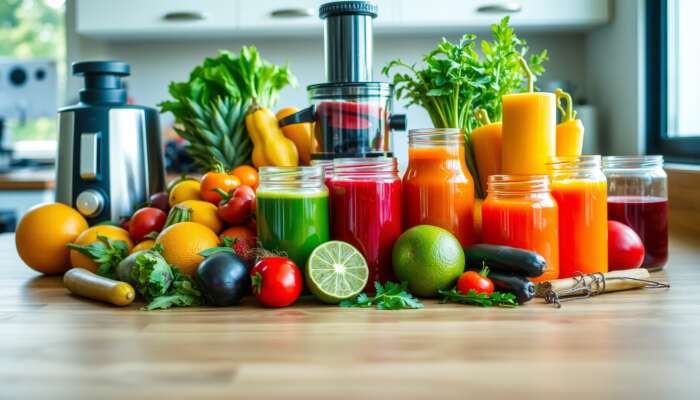
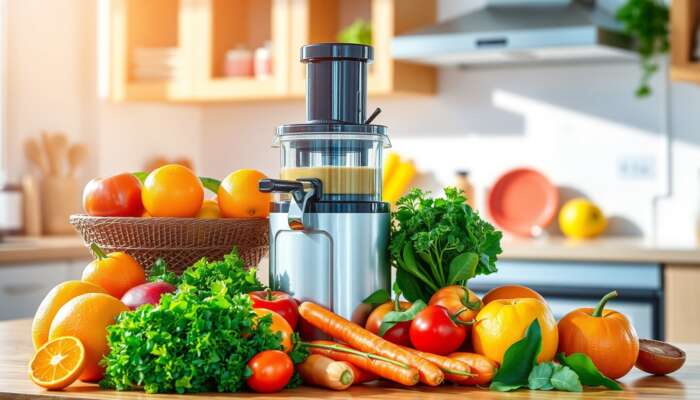
Choosing the right tools is vital when mastering how to juice with simple tools. The right selection can greatly influence your juicing experience and the quality of the juice produced. Globally, various tools are favored for their efficiency, ease of use, and cultural significance. In this guide, we will delve into some of the most popular manual juicing tools that simplify the juicing process while making it enjoyable and engaging.
Exploring the Benefits of Manual Juicers

Manual juicers are widely used in numerous countries, especially in India, where they are valued for their straightforward design and effectiveness. These devices typically feature a lever mechanism that allows users to effortlessly extract juice from fruits and vegetables. They are available in a variety of designs, ranging from small handheld devices to larger, more durable units suitable for frequent use.
In India, you can discover the traditional stone or wooden juicer, locally referred to as a “squeezer,” which excels at extracting juice from citrus fruits such as oranges and lemons. These manual juicers operate without electricity, making them ideal for rural regions where power supply may be inconsistent. The hands-on experience of using manual juicers provides users with complete control over the juicing process, ensuring that every drop of juice is extracted efficiently and effectively.
Moreover, many Indian households incorporate simple tools like the “chakla” and “belan” (rolling board and pin) to crush fruits and vegetables prior to juicing. This method not only aids in juice extraction but also amplifies the flavor through the mechanical breakdown of the produce. By embracing these traditional methods, you can immerse yourself in the rich cultural heritage of juicing in India, blending age-old practices with modern health benefits.
Maximizing Juice Extraction with Citrus Reamers
Citrus reamers are essential tools in Mediterranean countries, where citrus fruits are abundant. These simple yet effective handheld devices simplify the juicing of lemons, limes, and oranges. Their ergonomic design enables users to easily press and twist the fruit, maximizing juice extraction.
In Mediterranean regions, fresh lemon juice is a common ingredient in a variety of dishes and beverages, embodying the vibrant and robust flavors of the locale. The reamer’s design caters to those who appreciate the zest and freshness of citrus juice in their cooking and drinks. This direct connection to food allows users to savor the fresh flavors of their produce, enhancing culinary experiences.
Additionally, using a citrus reamer is an eco-friendly choice, as it helps minimize waste associated with packaged juices. Embracing this tool not only promotes a healthier lifestyle but also aligns with environmentally conscious practices, embodying the Mediterranean ethos of sustainability and respect for nature. Incorporating citrus reamers into your juicing toolkit can elevate both flavor and environmental responsibility.
Unleashing Creativity with Handheld Blenders
In Brazil, handheld blenders are a kitchen staple for crafting smoothies and juices from an array of tropical fruits. This versatile tool not only serves to juice but also blends, making it an indispensable kitchen gadget for those who enjoy experimenting with diverse flavors and textures.
Brazilian cuisine boasts a wealth of exotic ingredients such as açai, guava, and passion fruit, which are perfect for juicing or blending. The handheld blender allows users to combine these fruits into delicious and nutritious drinks that are both refreshing and energizing. Its ease of use and quick cleanup make handheld blenders an attractive choice for busy individuals or families eager to integrate healthy juices into their daily routines.
Additionally, the portability of the handheld blender means you can make fresh juices anywhere—whether at home, during a picnic, or even at the office. This flexibility reflects the Brazilian lifestyle, which values the enjoyment of life and the sharing of delicious food and beverages with friends and family.
Elevating Your Juicing Experience with Fresh Produce Selection

The foundation of any exceptional juice lies in the quality of the produce utilized. Understanding the significance of seasonal and local fruits and vegetables can significantly enhance your juicing endeavors. Utilizing fresh produce is essential not only for flavor but also for maximizing nutritional benefits.
Harnessing the Power of Seasonal Fruits for Flavorful Juices
Seasonal fruits are more than just a trend; they form the backbone of flavorful and nutritious juices. In Southeast Asia, for instance, mangoes are at their peak during the summer months. Renowned for their sweetness and vibrant hue, mangoes are ideal for juicing. By using fruits that are in season, you ensure that you are getting the best flavor and nutritional value from your produce.
During mango season, local markets overflow with ripe, juicy mangoes, making it easy to find high-quality options for your juicing needs. Juicing with fresh mangoes results in a rich, creamy texture that is difficult to replicate with out-of-season fruits. The unique flavors and health benefits of seasonal fruits can elevate your juice creations and make them more enjoyable.
Furthermore, seasonal fruits typically have a lower carbon footprint due to reduced transportation requirements. By opting to juice with local, in-season fruits, you are not only making healthier choices for yourself but also supporting your local economy while minimizing environmental impact. This conscious decision contributes to sustainable practices and a more holistic approach to nutrition.
Utilizing Local Vegetables for Nutrient-Rich Juices
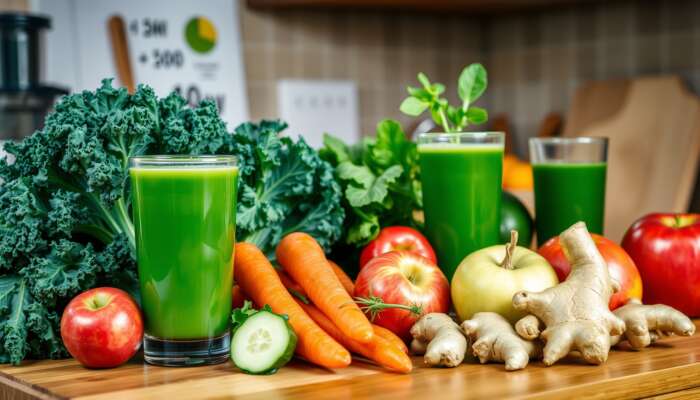
In Europe, the use of local vegetables, particularly carrots, has surged in popularity for crafting versatile juices. Carrots are rich in beta-carotene and various vitamins, making them a nutritious base for numerous juice recipes. Their natural sweetness adds a delightful flavor profile, making them a favored ingredient among juicers.
In many European nations, particularly those with a strong agricultural heritage, farmers’ markets offer an extensive array of freshly harvested local produce, including carrots. Juicing with these locally sourced vegetables not only ensures exceptional freshness but also supports sustainable farming practices that contribute to the health of the environment.
The versatility of carrots allows them to be paired with a diverse range of other local ingredients, such as apples or beets, resulting in delicious, nutrient-dense juices that cater to varied palates. European kitchens increasingly embrace the farm-to-table philosophy, highlighting the importance of utilizing what is locally available to create flavorful and healthy juices.
Exploring Exotic Ingredients for Unique Juice Flavors

Venturing into the realm of exotic ingredients can introduce distinctive flavors to your juices. In Africa, for instance, the baobab fruit is gaining traction for its high vitamin C content and unique tart flavor profile. Baobab juice provides a refreshing twist that can elevate traditional juices into extraordinary creations.
The baobab tree, often referred to as the “Tree of Life,” produces fruit that is harvested for its nutrient-rich pulp. Incorporating this exotic ingredient into your juicing repertoire allows you to explore flavors that are both unique and varied. The nutritional benefits of baobab juice not only enhance your beverages but also provide a host of health advantages, including improved digestion and enhanced immune support.
Juicing with exotic ingredients invites you to explore a world of flavors, encouraging you to step outside your usual produce selections and experiment with vibrant, nutrient-rich options. This adventurous approach to juicing can transform your kitchen into a hub of culinary experimentation and enjoyment, where you can discover new favorites and expand your palate.
Essential Preparation Techniques for Juicing Success
Preparation is a crucial aspect of the juicing process. Properly preparing your fruits and vegetables not only enhances the juice’s flavor but also ensures that you reap the full nutritional benefits of your ingredients.
Thorough Washing and Peeling for Clean Juices
In Japan, a strong emphasis is placed on cleanliness and hygiene in food preparation. The practice of thoroughly washing and peeling fruits before juicing is deeply ingrained in the culture. This meticulous attention to detail guarantees that the juice produced is not only delicious but also safe for consumption.
Japanese households often employ natural cleansing methods, such as soaking fruits in vinegar or using saltwater, to effectively remove pesticides and dirt. This careful approach results in juice that is pure and free from contaminants, allowing for a healthy and enjoyable drinking experience.
In addition, peeling fruits like apples or pears can enhance the taste of the juice by removing any bitter skin flavors while retaining the sweetness of the flesh. The Japanese philosophy of “mottainai,” which expresses regret over waste, encourages utilizing every part of the fruit whenever possible, maximizing the nutritional benefits and promoting sustainability.
Mastering Chopping Techniques for Flavor Enhancement
In Mexico, traditional chopping techniques are vital for preparing ingredients for juicing. The skill of finely chopping fruits and vegetables not only enhances flavors but also ensures that the juice blends smoothly, resulting in a more enjoyable beverage.
Mexican cuisine often incorporates vibrant fruits such as papaya, guava, and citrus, all of which greatly benefit from careful preparation. The art of chopping can involve using a “molcajete” (a stone mortar and pestle), which aids in releasing essential oils and flavors from herbs and spices that can be added to juices, enriching their taste.
This chopping practice is not merely functional; it serves as a cultural expression. The vibrant colors and textures of freshly prepared ingredients reflect the richness of Mexican culinary traditions, creating an inviting atmosphere for both the juicer and the consumer.
Importance of Seed and Pit Removal for Smooth Juices
In the Middle East, the significance of removing seeds and pits from fruits before juicing is paramount. This practice is essential for crafting smooth, palatable juices devoid of the bitter or unpleasant flavors that seeds can impart.
Fruits like pomegranates and cherries are commonly used in Middle Eastern juices, and the careful removal of seeds is a standard practice. The resulting juices are not only flavorful but also visually appealing, showcasing the rich colors of the fruits used, which enhances the overall drinking experience.
Moreover, removing seeds contributes to a more enjoyable juicing experience, as the texture of the juice becomes much smoother. This practice reflects a broader cultural appreciation for high-quality food and drink, highlighting the meticulous attention to detail that characterizes Middle Eastern culinary traditions.
Innovative Juicing Techniques to Explore
Understanding various juicing techniques can significantly enhance your ability to create delicious and nutritious beverages. Each method offers unique benefits that contribute to the overall quality and experience of your juice.
The Timeless Art of Hand Squeezing
Hand squeezing remains a beloved method in South America for crafting fresh citrus juices. This straightforward technique allows anyone to produce delicious juice without the need for costly equipment or elaborate setups.
In numerous South American households, families often gather to hand-squeeze fresh oranges or limes, especially during the summer months. This communal approach to juicing transforms a simple task into a social event, fostering connections among family and friends while enjoying the fruits of their labor.
Hand-squeezed juices preserve the natural flavors of the fruit and often taste far superior to store-bought alternatives. Additionally, this technique allows the juicer to control the sweetness and acidity levels, creating a beverage tailored to individual preferences. Hand squeezing embodies the essence of fresh, homemade juice, celebrating the vibrant flavors of the region.
Traditional Mashing and Straining Techniques
In West Africa, the technique of mashing and straining fruits is a popular method for creating refreshing juices. This traditional approach involves crushing fruits with a mortar and pestle or a similar tool, followed by straining the mixture to extract the juice.
This method connects consumers to their cultural roots, as many West African communities take pride in their juicing techniques, often passing down practices through generations. Utilizing local fruits like mangoes, pineapples, and hibiscus allows for a variety of flavors and health benefits, showcasing the diversity of the region’s produce.
Mashing fruits effectively releases their natural juices, intensifying flavors and creating a refreshing beverage that is both satisfying and hydrating. The process of juicing in this manner becomes an enjoyable experience, often shared with family or friends on hot days, embodying the communal spirit of West African culture.
Blending and Filtering for Smooth, Nutrient-Rich Juices
In Australia, blending and filtering is a widely embraced technique for producing smooth, pulp-free juices. The use of high-quality blenders enables users to create vibrant juices that retain the essential nutrients and flavors of the ingredients.
This method is particularly favored among health-conscious Australians who aim to enjoy fresh juice without the fiber. Blending quickly breaks down fruits and vegetables, while filtering ensures that the final product is smooth and easy to consume, making it a convenient option for busy lifestyles.
The Australian approach to juicing emphasizes health and convenience. With a wealth of fresh produce available year-round, the blending and filtering technique empowers individuals to experiment with flavors and create customized juice blends that cater to their specific tastes and dietary requirements.
Cold Pressing: The Nutrient-Preserving Technique
Cold pressing is an advanced technique popular in Europe for extracting juice while preserving nutrients and flavors without applying heat. This method involves slowly crushing fruits and vegetables, followed by pressing them to extract juice.
Cold pressing has gained popularity due to its ability to retain enzymes, vitamins, and minerals that are often lost during traditional juicing methods. As a result, consumers enjoy richer, more nutritious juices that support overall health and wellness.
In Europe, cold-pressed juices are often celebrated for their vibrant colors and intense flavors. Health-conscious consumers are increasingly drawn to these products, recognizing the value of high-quality juices in their diets. Cold pressing promotes a holistic approach to health, aligning with the growing trend of prioritizing fresh, nutrient-dense foods in daily diets.
Enhancing Juice Flavor with Natural Ingredients
Once you have mastered the fundamentals of juicing, the next step is to enhance the flavor of your creations. Various natural ingredients can elevate your juices, transforming them from simple beverages into complex, flavorful drinks that tantalize the palate.
Incorporating Natural Sweeteners for Added Flavor
In Eastern Europe, the use of natural sweeteners like honey is common for enhancing juice flavors. Honey not only adds sweetness but also infuses unique floral notes that complement various fruits beautifully. For instance, adding honey to apple juice can create a delightful blend that highlights the apple’s natural sweetness.
Utilizing honey as a sweetener serves as a wonderful alternative to processed sugars, often offering additional health benefits such as antibacterial properties and antioxidants. Many Eastern European cultures have traditional juice recipes that incorporate honey, showcasing the region’s rich culinary heritage and deep appreciation for wholesome ingredients.
Furthermore, honey can be adjusted to taste, allowing for personalized sweetness levels. This versatility makes it a popular choice for those aiming to create flavorful, healthy juices that everyone can enjoy, fostering a sense of community and shared culinary experiences.
Using Spices and Herbs to Elevate Flavor Profiles
In North Africa, spices and herbs play a significant role in enhancing juice flavors. Ingredients such as mint, ginger, and cinnamon can be incorporated into fruit juices to create unique flavor profiles that are both refreshing and invigorating.
For example, a traditional Moroccan juice might combine fresh orange juice with a hint of cinnamon and a sprig of mint, resulting in a beverage that tantalizes the senses. The addition of spices not only enhances flavor but also introduces various health benefits, making these juices nutritious and enjoyable.
The cultural significance of spices in North African cuisine adds depth to the juicing experience, allowing for a connection between food and tradition. Incorporating spices and herbs into your juices invites a global perspective, encouraging you to explore diverse flavor combinations and celebrate culinary diversity across cultures.
Adding Citrus Zest for a Burst of Freshness
In the Caribbean, the practice of using citrus zest adds a vibrant burst of flavor to juices, enhancing their overall appeal. Zesting fruits like limes, lemons, and oranges releases essential oils that contribute to the fragrance and taste of the juice.
Citrus zest elevates standard juice recipes, transforming them into lively creations. The vibrant flavors of Caribbean fruits such as passion fruit and guava can be further enhanced with a hint of lime zest, resulting in a refreshing drink that embodies the spirit of the region.
In addition to flavor enhancement, citrus zest is rich in nutrients and antioxidants, providing additional health benefits. Embracing the practice of using zest in your juicing routine reflects a creative approach to flavor exploration and celebrates the richness and diversity of Caribbean cuisine.
Effective Storage and Preservation Techniques for Fresh Juices
Proper storage and preservation methods are essential for maintaining the freshness and quality of your juices. Understanding how to store your creations effectively ensures that you can enjoy them for longer periods while retaining their nutritional benefits.
Refrigeration Tips for Maximum Freshness
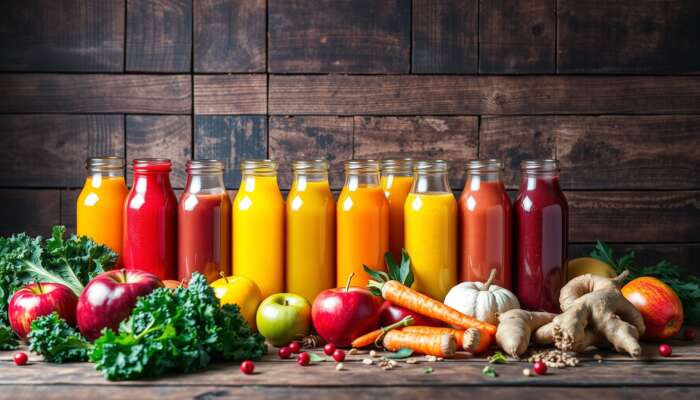
In North America, refrigeration techniques are crucial for keeping juices fresh for extended periods. It is advisable to store juices in airtight containers to prevent oxidation, which can lead to spoilage and flavor loss.
Using glass containers is particularly beneficial, as they do not impart any undesirable flavors to the juice. When properly sealed, these containers can keep juices fresh for up to three days, allowing you to prepare larger batches for quick and easy access throughout the week.
Additionally, refrigeration slows down the degradation process, preserving the vitamins and minerals present in fresh juices. By following these refrigeration tips, you can enjoy the full benefits of your homemade juices while minimizing waste and maximizing flavor retention.
Utilizing Freezing Methods for Seasonal Juices
In Scandinavia, freezing methods are widely adopted for preserving seasonal juices. This technique allows individuals to savor the fresh flavors of summer fruits even during the cold winter months.
Freezing juices in ice cube trays is an efficient way to store small portions, making it easy to add a quick burst of flavor to smoothies or other beverages. When properly frozen, juices can retain their nutritional benefits while providing a refreshing option during colder seasons.
Moreover, the practice of freezing enables batch preparation, allowing you to take advantage of seasonal produce when it is at its peak. This approach not only reduces waste but also ensures that you have access to healthy, flavorful juices year-round, promoting a sustainable lifestyle.
Employing Natural Preservatives for Extended Shelf Life
In Southeast Asia, natural preservatives such as lemon juice are frequently used to extend the shelf life of freshly squeezed juices. The acidity of lemon juice serves as a natural barrier against bacteria and oxidation, helping to maintain juice quality for a more extended period.
Incorporating lemon juice into your juice recipes not only enhances flavor but also promotes food safety. This practice is especially beneficial for tropical fruits that may spoil quickly, ensuring that you can enjoy your juices without concern.
Additionally, using natural preservatives aligns with a growing trend toward clean eating and sustainability. By relying on natural alternatives, you can create delicious juices that are not only flavorful but also safe for consumption, reflecting a commitment to health and well-being.
Mastering Canning Techniques for Long-Term Juice Preservation
Canning techniques are commonly practiced in Europe to preserve juices, ensuring they remain safe and flavorful for extended periods. The process involves sealing juices in jars and heating them to eliminate bacteria, allowing for long-term storage.
Canning offers numerous benefits, including the ability to enjoy seasonal flavors year-round. In many European countries, home canning is a cherished tradition that promotes self-sufficiency and sustainability, allowing individuals to enjoy the fruits of their labor throughout the year.
The art of canning allows individuals to experiment with unique flavor combinations, creating signature juice blends that reflect their personal tastes and preferences. By mastering canning techniques, you can confidently preserve your homemade juices and share them with friends and family, enriching communal connections through food.
Exploring Dehydration Processes for Flavor Concentration
In Australia, dehydration processes are favored for preserving juices, concentrating flavors while extending shelf life. This technique involves removing moisture from juices to create powders or concentrated forms that can be reconstituted later.
Dehydrated juice powders can serve as versatile ingredients for smoothies or enhance various dishes that require a burst of flavor. The dehydration process allows for long-term storage, making it a practical choice for those seeking to maintain the benefits of fresh juices while maximizing convenience and culinary creativity.
Moreover, this method of preservation aligns with the Australian lifestyle, which emphasizes enjoying the great outdoors. Dehydrated juices can be easily packed and enjoyed during hiking adventures or camping trips, reflecting the Australian spirit of exploration and appreciation for nature.
Discovering the Health Benefits of Juicing
Juicing not only provides a refreshing beverage option but also offers numerous health benefits. Understanding these advantages can inspire you to incorporate fresh juices into your daily routine, enhancing your overall well-being.
Maximizing Nutrient Retention in Juices
Juicing in East Asia is celebrated for its ability to retain essential nutrients from fresh produce. Techniques that minimize oxidation and heat exposure help preserve the vitamins, minerals, and enzymes that contribute to overall health and vitality.
Many East Asian cultures emphasize the importance of consuming fresh, unprocessed foods, a philosophy that aligns perfectly with juicing. This practice allows individuals to enjoy the full spectrum of nutrients available in fruits and vegetables, supporting immunity and enhancing vitality.
Moreover, the focus on nutrient retention reflects a broader cultural appreciation for health and wellness. By prioritizing fresh juices, individuals in East Asia can easily integrate a variety of vitamins and minerals into their diets, promoting long-term health benefits and vitality.
Hydration and Detoxification through Fresh Juices
In the Middle East, the hydration and detox benefits of juices are widely acknowledged. Fresh juices made from fruits like watermelon, cucumber, and citrus are popular choices for staying hydrated in hot climates.
These refreshing beverages not only quench thirst but also aid in detoxifying the body by flushing out toxins. The natural hydration provided by these juices supports overall well-being and can enhance physical performance, making them ideal for individuals with active lifestyles.
Furthermore, the culture of consuming fresh juices reflects a deep understanding of the connection between food and health. In the Middle East, the practice of juicing is often intertwined with traditional wellness rituals, emphasizing the importance of nourishing the body with wholesome ingredients for optimal health.
Boosting Immunity with Local Ingredients
In South Africa, juices made from local ingredients are renowned for their immunity-boosting properties. Ingredients such as baobab, ginger, and citrus fruits are often incorporated into juices to enhance flavor while providing powerful health benefits.
Baobab, in particular, is gaining recognition for its high vitamin C content, which supports immune function. Juices featuring this superfood can help ward off illness, making them a popular choice during cold and flu seasons, as consumers seek to bolster their immunity.
The emphasis on local ingredients in South African juicing practices not only promotes health but also highlights the importance of sustainable sourcing. By utilizing homegrown produce, individuals can support their health while contributing to local economies and fostering a sense of community.
Frequently Asked Questions About Juicing
Which fruits are best for juicing?
Fruits such as oranges, apples, pineapples, and berries rank among the best options for juicing due to their inherent sweetness and high juice yield, providing delicious and nutritious beverages.
Is it possible to juice vegetables?
Absolutely! Many vegetables, including carrots, cucumbers, and leafy greens, can be juiced, offering a nutritious boost to your beverages and diversifying your juice options.
Should I use fresh or frozen produce for juicing?
Fresh produce is generally preferred for juicing, as it retains more nutrients and flavor. However, frozen fruits can serve as a convenient option when fresh selections are unavailable, ensuring you can still create delicious juices.
How long can I store fresh juice for optimal freshness?
Fresh juice can typically be stored in the refrigerator for up to 72 hours, but for maximum freshness and nutritional benefits, it’s best consumed immediately after preparation.
What can I do with the pulp left over from juicing?
Absolutely! The pulp can be repurposed in smoothies, soups, or baked goods, effectively reducing waste while providing additional fiber and nutrients to your meals.
Is a specialized juicer necessary for making juice?
No, you can utilize simple tools like manual juicers or blenders to create juice without needing a specialized juicer, making fresh juice accessible to everyone.
Are juices as healthy as whole fruits?
While juices offer concentrated vitamins and minerals, they typically lack fiber. Consuming whole fruits remains beneficial for digestion and promoting satiety.
What are some effective ways to enhance the flavor of my juice?
You can enhance flavors by incorporating natural sweeteners such as honey, spices, herbs, or citrus zest into your juice, creating delicious and unique flavor profiles.
Can I juice exotic fruits?
Yes! Exotic fruits like dragon fruit, passion fruit, and baobab can introduce unique flavors and nutrients to your juices, making your creations even more exciting and nutritious.
Is juicing an effective way to detox?
Juicing can support detoxification by providing hydration and essential vitamins, but it should be part of a balanced diet rather than the sole approach to detoxification for optimal health.

The emphasis on manual juicers in your guide really highlights an interesting part of the juicing culture, especially in places like India. It brings to mind how traditional methods of food preparation often reflect deeper cultural values and practices. For instance, the simplicity and effectiveness of a lever-style juicer are comparable to other traditional kitchen tools, like the mortar and pestle, which are cherished for their ability to enhance flavors without the need for modern appliances.
You’ve touched on a really compelling aspect of the juicing culture, especially when you consider how deeply intertwined food preparation methods are with cultural identity. The manual juicer does embody a certain artistry that modern appliances often overlook. It’s fascinating how the simplicity and tactile nature of using a lever-style juicer can make the process of extracting juice feel almost meditative.
You’ve brought up a really significant point about the connection between food preparation methods and cultural identity. It’s interesting to think about how these manual processes not only reflect personal artistry but also resonate with a sense of heritage. Using a lever-style juicer can definitely create a richer experience, almost like a ritual that connects us to the past.
You might also find this article useful: ‘Juice Prep Strategies for Multi-Day Storage: A Guide’.
Read more here: https://juicingpower.com/juice-prep-strategies-for-multi-day-storage-a-guide/
‘Juice Prep Strategies for Multi-Day Storage: A Guide’
https://juicingpower.com/juice-prep-strategies-for-multi-day-storage-a-guide/.
You’re spot on about how the methods we choose for food preparation tie deeply into our cultural identity. It’s that blend of technique and tradition that makes cooking feel like a bridge to our roots. Using a lever-style juicer can feel like more than just making juice; it’s a tactile experience that draws on generations of practices. The rhythmic motion can almost be meditative, grounding us in something larger than ourselves.
You’ve touched on a nuanced perspective that resonates with many people who appreciate both the cultural significance and practical benefits of traditional tools. The connection between manual juicers and other age-old kitchen staples like the mortar and pestle really highlights how these methods are often steeped in history and community.
I really appreciate your take on this. The cultural significance of traditional tools like manual juicers and the mortar and pestle is something that often gets overlooked in today’s fast-paced world. There’s a certain intention that comes with using these items that you just don’t get with modern gadgets.
You raise such a compelling point about the cultural significance of traditional tools. It’s fascinating to think about how using something like a manual juicer or a mortar and pestle connects us to generations of people who’ve used those same motions in their kitchens. There’s a sort of rhythm to it—grinding, mashing, extracting—that feels intentional and personal.
You’ve really nailed it with that observation. There’s something special about traditional tools like manual juicers and mortars and pestles that goes beyond just their functionality. It’s like they carry stories. When I think about using a manual juicer, I can’t help but picture gatherings in kitchens where friends and family come together, chatting and laughing as someone squeezes citrus for fresh drinks. It’s intimate and personal in a way that makes the experience of cooking feel more connected.
You’ve really hit on something special with that observation. There’s a certain charm in using traditional tools like manual juicers and mortar and pestles. It’s not just about the end product—there’s a meditative quality to the process itself, almost a ritual that connects you to the food you’re preparing. I think it’s fascinating how these tools tell stories of generations past.
You’ve raised some really intriguing points about the role of manual juicers in the broader context of food culture, especially in places like India. There’s an undeniable charm and practicality in using traditional methods that many modern appliances can’t quite replicate. The simplicity of a lever-style juicer certainly has a way of connecting us to our roots, doesn’t it? There’s something quite special about the tactile experience of preparing food with our hands, and that often gets lost in the whirlwind of technology and convenience.
You hit the nail on the head with that observation about manual juicers and the cultural tapestry surrounding food preparation methods. It’s fascinating how something as simple as squeezing juice can connect us to deeper traditions and practices. In many cultures, including India, food isn’t just about sustenance; it’s woven into the fabric of everyday life, celebrations, and even rituals.
It’s interesting how food can serve as a bridge between generations, isn’t it? In India, for example, the act of juicing can be a communal experience, often involving family gatherings where stories are exchanged alongside the preparation. Each method of food preparation holds memories and practices unique to various regions, from the rhythmic motion of a manual juicer to the spices hand-ground in a mortar and pestle. These rituals highlight a respect for the ingredients and the process itself, turning what we often think of as mundane tasks into moments of reflection and celebration. It’s a beautiful reminder that food is much more than fuel; it carries stories, history, and identity, enriching our daily lives. What traditions or experiences around food preparation resonate with you personally?
I appreciate your thoughts on this. It’s so true that food preparation connects us to our heritage in profound ways. In places like India, each method of cooking and preparation carries stories and memories that shape communal identities. Take the manual juicer, for instance. It’s not just about getting juice; it’s about the conversations that happen around it, the rituals of sharing, and the flavors that resonate with our childhoods. Each squeeze might remind someone of a family gathering or a festival. It’s amazing how those small, tangible acts—like making juice—take on a life of their own, bridging generations and fostering a sense of belonging. What other food practices do you think serve a similar purpose in our lives?
You make such an interesting observation about the cultural significance of manual juicers, especially in places like India. It’s fascinating how these tools serve not just a functional purpose but also play a role in connecting people with their culinary heritage. Traditional methods like using a lever-style juicer resonate deeply, don’t they? They embody a sense of mindfulness in food preparation that modern appliances often overlook.
You’ve highlighted such a rich aspect of this conversation! The way manual juicers are woven into the fabric of daily life in places like India really opens up a dialogue about how food can connect us to our roots. Lever-style juicers, for instance, aren’t just about squeezing out juice; they’re a little glimpse into a simpler, more intentional way of living.
You’ve raised an interesting point about the significance of manual juicers in the broader context of traditional food preparation. In many cultures, including India, these tools represent more than just a means to extract juice; they embody a connection to heritage and a respect for the ingredients.
You make a great point about how traditional methods of food preparation resonate with cultural values, especially in a place like India. The picture of a lever-style juicer sitting proudly next to a mortar and pestle really captures that harmony between simplicity and effectiveness. It’s like they are best friends at the culinary playground—each one bringing their unique skills to the table while keeping things real and grounded.
You’ve touched on something that goes beyond juicing—it’s about how our tools and methods reflect our ways of life. In India, using a manual juicer isn’t just about making fresh juice; it’s about connecting with the ingredients and honoring the traditions. Those simple, effective tools, like the lever-style juicer, really encapsulate a philosophy of cooking that embraces the tactile experience of food prep.
You’ve brought up a really interesting perspective that resonates with a lot of cultural practices surrounding food. The connection between our tools and our culinary traditions is profound. In many ways, using a manual juicer goes beyond simply extracting juice; it becomes a ritual that connects us with our ingredients and the rich history behind them.
You bring up a great point about the significance of traditional kitchen tools in food preparation. In many cultures, including India, these methods are not just about making food; they connect us to our roots. Using a lever-style juicer, for example, creates a sense of authenticity that modern gadgets often lack.
I found your guide on selecting juicing tools to be incredibly insightful, especially the emphasis on manual juicers often favored in Indian culture. It’s fascinating how the tools we use can be deeply rooted in cultural practices and traditions. Manual juicers not only embody a certain simplicity and authenticity in the juicing process, but they also offer a tactile experience that electric juicers cannot replicate.
You’ve touched on something really special. Manual juicers reflect not just a preference for simplicity but also a connection to the roots of food culture. The tactile experience you mentioned does add a unique dimension to the process—there’s something satisfying about physically pressing the fruit and feeling its transformation into juice.
You’re spot on about the charm of manual juicers, especially within Indian culture. There’s something really special about how these tools connect us to our roots and make the process feel more hands-on and engaging. When you’re juicing with your own two hands, it’s almost like a little ritual, allowing you to slow down and really appreciate the ingredients.
You’re so right about that special charm! There’s something about manually juicing that transforms a simple task into an enjoyable experience. In many ways, it feels like a homage to our traditions. Each squeeze seems to carry the stories of our grandmothers and their meticulous methods.
Your exploration of manual juicers highlights an important intersection of culture and health that often gets overlooked. It’s fascinating how these tools, like the traditional Indian juicer, carry not just functionality but also a rich history and community connection. Personally, I’ve noticed that using manual juicers encourages a more mindful approach to juicing; there’s something rewarding about the effort involved in extracting juice by hand.
Your observations about manual juicers and their cultural significance open up a rich conversation. It’s true that these simple tools—like the traditional Indian juicer—are not just about squeezing out juice; they encapsulate stories, traditions, and connections to our culinary history that often get lost in our fast-paced modern lives. When we think of kitchen gadgets today, many of them are designed for convenience and speed, sometimes at the expense of the experience itself. Manual juicers remind us that the act of preparing food can be a more mindful practice, turning it into a ritual that connects us to our roots and perhaps even to the people we cook for.
You’ve hit the nail on the head! Manual juicers really do blend (pun intended) culture and health in a way that many modern appliances just can’t touch. There’s something special about reaching for that handmade juicer, especially if it has a few battle scars from years of fruit combat. It’s like your dad’s old tool set—full of character and stories. You almost expect it to whisper “use me” every time you pull it off the shelf, right?
You get it! There’s something about those manual juicers that just connects us to our roots. Each scar and chip tells a story, almost like a badge of honor from all those mornings. And the tactile nature of it—gripping the handle, feeling the resistance as you press—just can’t be replicated by a flashy electric gadget. It’s that connection to the process, the satisfaction of extracting juice with your own two hands. Plus, there’s a certain ritual to it, much like a family recipe passed down over generations. It makes each glass of juice feel more personal, like you’re not just sipping a drink, but partaking in a tradition. Have you found any particular juicing techniques or recipes that evoke those feelings for you?
It’s great to hear your perspective on manual juicers and how they connect us to both our culture and our health. The mindful approach you mentioned resonates with many who enjoy the ritual of making juice by hand. There’s something grounding about physically engaging with the ingredients; it transforms a simple task into a meditative experience. Plus, each technique carries stories from the past, like the traditional Indian juicer that you pointed out. It’s fascinating to think about how these tools were once central to daily life and community gatherings. Have you found particular recipes or fruits that make your manual juicing experience even more rewarding?
It’s wonderful to hear your thoughts on manual juicers and their deeper significance. You’ve touched on something really special—the way these rituals can center us in the moment. When I juice by hand, I often lose track of time as I engage with each ingredient, almost like a form of meditation. The rhythm of cutting, squeezing, and tasting turns a simple act into a sensory experience that feels more alive.
I found your exploration of manual juicers really enlightening, especially considering how integral these tools are to so many cultures, particularly in India. It’s fascinating to think about how something as simple as a juicer can weave into the fabric of everyday life, allowing people to enjoy fresh juice while preserving traditional practices.
Your exploration of manual juicing tools resonates with me, especially considering the cultural significance these devices hold in different countries. I’ve always been fascinated by how simple tools can revolutionize everyday practices. For instance, I remember my grandmother using a traditional juicer to make fresh orange juice every Sunday morning—her method not only produced delicious juice but also brought the family together for breakfast.
I really appreciate this guide on manual juicers! It’s interesting to see how cultural practices shape our approach to something as simple yet impactful as juicing. I remember my grandmother always using a traditional juicer to make fresh orange juice every morning—it was such a part of our family routine. The smell of fresh citrus filled the kitchen, turning the mundane task of juice-making into something special.
Your exploration of manual juicing tools highlights an important aspect of cultural practice in food preparation. I’ve always appreciated how traditional methods, like those used in Indian kitchens, emphasize not just the functionality of a tool but also a connection to heritage and community.
You bring up a compelling point about the role of traditional methods in food preparation, especially within Indian kitchens. It’s fascinating how these manual tools not only serve a practical purpose but also weave a narrative about cultural identity and familial connections.
You’ve touched on something really significant with your mention of traditional methods in food preparation, especially in Indian kitchens. There’s an intimacy and a sense of history that comes with using manual juicing tools that can often get lost in the hustle of modern kitchen gadgets.
You’ve really captured the essence of what makes traditional methods special. There’s something about the rhythm and ritual of manual food preparation that can be incredibly grounding. I often think about how in many Indian households, cooking isn’t just about making a meal; it’s an act that connects generations. Each time I use the stone grinder or a traditional juicer, it feels almost like I’m participating in a legacy that’s been passed down through time.
You’ve touched on a fascinating point, and I couldn’t agree more. The way traditional techniques are woven into the fabric of community life is truly remarkable. Take the Indian kitchen, for instance; the process of making juice often becomes a shared ritual, where family members gather to help. It’s not just about extracting liquid—it’s about the conversations that flow and the stories that bubble up during that time spent together.
You raise a great point about the relationship between food preparation methods, especially in the context of cultural practices. It’s fascinating how something as simple as a juicer can serve as a gateway into understanding a community’s values and traditions. In Indian kitchens, these tools often carry generational stories and practices, deeply entwined with family gatherings, festivals, and everyday life.
I found your insights on manual juicers particularly interesting, especially considering how the choice of tools reflects cultural practices around the world. In many ways, juicing transcends mere functionality; it’s about the experience and connection to the ingredients we use. For instance, in my family, we’ve always favored a traditional hand juicer for making fresh lemonade on summer days. The process of squeezing the lemons ourselves brings a sense of satisfaction and nostalgia that an electric juicer simply can’t replicate.
You know, I can’t help but smile as I read your take on manual juicers. It’s like hitting a nostalgic jackpot every time summer rolls around and the lemons come out to play. That connection you mentioned? It’s spot on. There’s something about squeezing those lemons by hand that just feels right. It’s like a little workout, too. Who needs a gym membership when you can flex your muscles while making a refreshing drink? And the best part? You can wear that “I crushed it” look as you hand over that fresh lemonade to your family.
You’ve hit the nail on the head! It’s fascinating how something as simple as juicing can weave its way into the fabric of our family traditions, turning a basic task into a moment of connection. I mean, there’s something very human about the whole ritual, right? As you mentioned with your hand juicer for lemonade on summer days, it transforms the act from a chore into an experience. Who knew squeezing lemons could be a rite of passage?
I really enjoyed your exploration of manual juicers and their significance, especially the nod to India’s rich traditions around juicing! It’s fascinating how something as simple as a juicer can connect so deeply with culture and daily life. Growing up, I remember my grandmother using a traditional hand juicer for fresh orange juice every morning. She always said that the process of juicing was as important as the juice itself; the tactile experience of squeezing, hearing the fruit yield its essence, felt almost meditative.
It’s lovely to hear how your grandmother’s juicing ritual stayed with you. That tactile experience you mentioned is often overlooked in today’s fast-paced world, where convenience can overshadow the joys of a simple process. The way she described juicing as being important as the juice itself really resonates. It’s fascinating how these moments can become meditative, a kind of mindful practice that allows us to connect with our food, traditions, and even our memories.
Your guide to selecting juicing tools really resonates with me, especially when you highlight the cultural significance of manual juicers. I’ve often thought about how the tools we choose—whether for juicing or cooking—can reflect our values and traditions.
I appreciate your thoughts on how the tools we select—like manual juicers—can reflect our values and traditions. It’s fascinating how these choices often connect us to our cultural roots. For many, a manual juicer isn’t just about practicality; it serves as a link to family recipes and cherished memories in the kitchen.
I appreciate how you’ve highlighted the cultural significance of manual juicers, especially in countries like India. It’s fascinating to think about how these tools not only serve a practical purpose but also connect us to our culinary traditions. I’ve recently started using a small lemon squeezer, and it’s incredible how something so simple can elevate a dish or drink just by adding fresh juice.
I really appreciate your take on manual juicers and their cultural significance, especially in India. It’s fascinating how simple tools can embody such rich traditions. I’ve always found manual juicing to be a more personal experience compared to electric juicers. There’s something almost meditative about squeezing the juice out slowly, allowing you to connect with the ingredients—feel their textures and appreciate their aromas.
I really appreciate how you’ve highlighted the significance of manual juicers, especially in the context of Indian culture. It’s fascinating to see how something as simple as a juicer can carry so much history and practicality! I’ve had the joy of using a traditional manual juicer during a trip to India, and it was such a rewarding experience—there’s something satisfying about the whole process, from selecting fresh fruits to that final pour.
It’s great to hear about your experience with a traditional manual juicer in India. There’s something truly special about the tactile nature of the process, right? Picking out the freshest fruits and the satisfying rhythm of juicing is a world away from the push-button convenience we often rely on today.
This guide beautifully highlights the important role manual juicers play in both personal health and cultural practices. I’ve experienced the joy of using a simple hand-cranked juicer, and it truly transforms the experience of preparing fresh juice. There’s something deeply rewarding about extracting juice yourself, connecting you with the ingredients in a way that electric juicers often don’t achieve.
This post resonates with me on so many levels. The emphasis on the importance of selecting the right juicing tools brings to mind the broader implications of our daily choices regarding kitchen appliances and how they affect our health and lifestyle. As someone who has experimented with various juicers over the years, I can attest to the significant difference that the right tool can make—not just in terms of efficiency but also in the overall experience of juicing.
This guide on selecting juicing tools resonates with me, especially in the context of how our choices can shape our health and culinary experiences. I appreciate your emphasis on manual juicers, as they not only bring a level of craftsmanship to the juicing process but also connect us to traditions and cultures that prioritize quality and simple living.
I really appreciate your emphasis on manual juicers and their significance in various cultures, especially in India. There’s something so gratifying about using tools that have stood the test of time and connect us to traditional practices. For me, it’s not just about extracting juice; it’s also a mindful experience that reminds me of time spent with family in the kitchen, watching loved ones prepare fresh juices for summer gatherings.
I really appreciate your insights into manual juicers! It’s fascinating how these tools carry cultural significance, especially in places like India. I remember visiting a market there and being drawn to the vibrant stalls filled with fresh fruits, where I saw street vendors effortlessly squeezing juice from fresh sugarcane and other seasonal fruits using simple contraptions. There’s something special about the whole process, right? It not only highlights the connection between food and culture but also makes juicing feel more personal and engaging.
Your experience at the market sounds like a vivid exploration of how food can weave through our lives and cultures. The scene you describe—vendors skillfully operating manual juicers against a backdrop of vibrant fruit stalls—captures a dynamic interaction between tradition and everyday life. Each squeeze of the juicer seems to convey not just the pursuit of fresh juice but also a deep-rooted connection to the community and its agricultural practices.
This guide to selecting juicing tools resonates deeply with me, particularly regarding the emphasis on manual juicers and their cultural significance. Growing up, I watched my grandmother prepare fresh juice using a simple manual juicer, and it was always a fascinating process. She had this incredible ability to extract every drop of juice while sharing stories about the health benefits of various fruits and vegetables. It made the act of juicing feel like an art form, rooted in tradition and personal connection.
I really enjoyed reading your guide on selecting juicing tools. It’s fascinating how something as simple as juicing can have such a rich cultural context, especially with manual juicers being central to many traditional practices. I’ve always found that using a manual juicer adds a personal touch to the process—it almost feels like a ritual where you’re engaging not just with the ingredients but with the act of making juice itself.