


Exploring the Impact of Hormonal Imbalances on Health
Defining Hormonal Imbalances and Their Effects
Hormonal imbalances can significantly disrupt our body’s normal functions, impacting various aspects of our health, including energy levels, emotional well-being, and overall stability. These imbalances occur when there is either an excess or a deficiency of hormones circulating in the bloodstream. Hormones serve as chemical messengers, regulating critical processes such as metabolism, growth, and reproductive health. The origins of these imbalances can be multifaceted, encompassing lifestyle choices, environmental influences, and underlying health conditions. For example, insulin imbalances can trigger diabetes, while fluctuations in thyroid hormones can disrupt metabolism and energy levels. A comprehensive understanding of hormonal interactions and the ramifications of imbalances is essential for achieving and maintaining optimal health and wellness.
The human body strives for a state of delicate homeostasis, where any disruption can initiate a series of physiological changes. For instance, elevated levels of cortisol—commonly known as the stress hormone—can lead to weight gain and heightened anxiety, while decreased estrogen levels may result in osteoporosis and emotional swings. Recognizing these imbalances is the first step towards effective management, empowering individuals to pursue solutions such as dietary modifications, including mastering how to juice for hormone balance.

Identifying Common Symptoms of Hormonal Imbalances
Awareness of the signs indicating hormonal imbalances is crucial for addressing potential underlying health issues. Symptoms can manifest in various forms, affecting both physical and emotional well-being. Common indicators include unexplained weight gain, persistent fatigue, emotional fluctuations, and irregular menstrual cycles. For instance, women suffering from premenstrual syndrome (PMS) might experience increased irritability and discomfort due to hormonal fluctuations. Likewise, individuals with insulin resistance may encounter fatigue and unexplained weight gain as their bodies become less efficient at managing blood sugar levels.
In addition to these well-recognized symptoms, hormonal imbalances can also lead to less overt issues, such as difficulties in sleep quality or changes in skin condition. Conditions such as acne, hair thinning, or excessive hair growth can all link back to fluctuations in hormones. In males, low levels of testosterone can contribute to reduced libido and diminished energy levels, underscoring the extensive impact of hormonal health. Understanding these symptoms can guide individuals toward seeking appropriate tests and remedies, including dietary changes that involve juicing nutrient-rich ingredients targeted at restoring hormonal balance.
How Diet Influences Hormone Regulation
Diet plays a vital role in maintaining hormone regulation, acting both as a contributing factor to and a potential remedy for imbalances. Specific foods have unique properties that can aid in restoring hormonal equilibrium. For instance, whole foods that are high in fiber assist in detoxification and promote healthy digestion, which is essential for effective hormone metabolism. Foods such as cruciferous vegetables—including broccoli and kale—are rich in compounds that support liver function, which is critical for processing and eliminating excess hormones.
Additionally, healthy fats are indispensable for hormone production. Omega-3 fatty acids, found in sources like fish and flaxseeds, can help reduce inflammation and support hormone synthesis. Conversely, processed foods and excessive sugar intake can aggravate hormonal issues by causing spikes in insulin and cortisol levels. Embracing a balanced diet that prioritizes whole, nutrient-dense foods can have a profound impact on hormonal health. Incorporating juicing as a method for enhancing nutrient intake offers an effective way to deliver these essential elements to the body, emphasizing the significance of learning how to juice for hormone balance.
Understanding the Factors Leading to Hormonal Imbalances
Hormonal imbalances can arise from numerous interconnected factors, often presenting in intricate ways. A primary contributor is stress; chronic stress elevates cortisol levels, initiating a ripple effect that can disrupt other hormones like insulin and estrogen. Additionally, age plays a pivotal role, as hormonal changes naturally occur during significant life stages such as puberty, pregnancy, and menopause. These transitions can result in substantial fluctuations that may require dietary adjustments, such as juicing, to maintain hormonal balance.
Lifestyle choices are also crucial in influencing hormonal health. A lack of physical activity can lead to obesity, closely linked to hormonal imbalances, especially concerning insulin sensitivity. Nutritional deficiencies, particularly in vital vitamins and minerals like vitamin D, B vitamins, and magnesium, can hinder hormone synthesis and regulation. By understanding these contributing factors, individuals can adopt proactive strategies to mitigate risks through informed dietary choices, including juices specifically designed to support hormonal balance.
Essential Diagnostic Tests for Hormonal Imbalances
The process of diagnosing hormonal imbalances typically commences with a thorough evaluation of symptoms and health history. Medical professionals may suggest a variety of tests to accurately assess hormone levels. Blood tests are the most prevalent method, measuring levels of hormones such as estrogen, testosterone, and cortisol at specific times throughout the day. Saliva testing can also provide valuable insights, particularly for hormones that fluctuate significantly, allowing for a comprehensive view of hormonal balance over time.
Urine tests are another method for evaluating hormonal health, particularly useful in assessing adrenal function and metabolite levels. These tests can help determine the root causes of symptoms and inform treatment options. Being aware of testing methodologies is crucial for those seeking to gain a deeper understanding of their hormonal health. Pairing diagnostic findings with lifestyle changes, including learning how to juice for hormone balance, can lead to more effective management of hormonal well-being.
Advantages of Juicing for Hormonal Health
Maximizing Nutrient Absorption and Bioavailability
Juicing presents a distinctive pathway to enhance nutrient absorption, making it a beneficial strategy for those aiming to balance their hormones. Whole fruits and vegetables are loaded with essential vitamins, minerals, and phytonutrients; however, the juicing process breaks down plant cell walls, facilitating quicker absorption into the bloodstream. This rapid influx of nutrients can directly influence hormone production and overall balance.
For instance, juices high in vitamin C, such as orange or kiwi juice, can bolster adrenal function, supporting the synthesis of stress hormones like cortisol. Leafy greens, including spinach and kale, are excellent sources of magnesium, which plays a vital role in hormone regulation. Consuming these nutrients in juice form allows them to bypass certain digestive processes that may hinder absorption, delivering a swift boost to the body. This efficiency underscores the importance of integrating juicing into one’s lifestyle as a method of enhancing health and promoting hormonal balance.
Moreover, the bioavailability of nutrients found in juices can be especially advantageous for those with digestive issues or conditions that impair nutrient absorption. By opting for juices, individuals can guarantee they are receiving critical nutrients that support hormonal health without overloading their digestive systems. Understanding how to incorporate juicing for hormone balance can empower individuals to optimize their health effectively.

Supporting Detoxification and Liver Health Through Juicing
The liver is pivotal in detoxifying the body and metabolizing hormones, making its health essential for maintaining hormonal balance. Juicing can bolster liver function by supplying nutrients that enhance its detoxification processes. Ingredients like beets, renowned for their liver-supportive properties, are frequently included in juices aimed at promoting hormonal health. The betaine found in beets assists in protecting liver cells and aids in fat metabolism, which can be particularly beneficial for hormone regulation.
Incorporating detoxifying ingredients such as lemons, ginger, and dandelion greens into juice blends can further enhance liver health. These components are known to stimulate bile production, essential for digesting and eliminating excess hormones from the body. An efficiently functioning liver can effectively metabolize estrogen, testosterone, and cortisol, preventing the accumulation of these hormones that can lead to imbalances.
Additionally, juicing provides a hydrating source of nutrients that can promote overall liver health. Excessive alcohol consumption, poor dietary choices, and environmental toxins can put a strain on the liver, making it crucial to adopt habits that foster its well-being. By learning how to juice for hormone balance, individuals can take a proactive approach to liver health, ultimately supporting their hormonal equilibrium.
Importance of Hydration for Cellular Function and Hormonal Health
Hydration is vital for cellular function and overall health, particularly in relation to hormonal balance. Juicing is an excellent method for increasing fluid intake, ensuring that cells remain adequately hydrated. Proper hydration is essential for numerous physiological processes, including hormone production and transport. Dehydration can lead to elevated concentrations of hormones in the bloodstream, potentially resulting in imbalances.
Fruits and vegetables with high water content, such as cucumbers and watermelon, are outstanding choices for juicing, providing hydration alongside essential vitamins and minerals. These hydrating juices can help maintain optimal blood volume, supporting the effective transportation of hormones throughout the body. Without sufficient hydration, cellular communication may be disrupted, leading to potential hormonal dysregulation.
Moreover, maintaining hydration can enhance energy levels and uplift mood, both of which are crucial for hormonal health. This emphasizes the importance of incorporating juicing into daily habits, not only as a means to consume nutrients but also to ensure adequate hydration. By learning how to juice for hormone balance, individuals can support their hormonal health through this essential aspect of wellness.
Utilizing Phytonutrients for Hormonal Balance
Phytonutrients are bioactive compounds found in plant-based foods that offer numerous health benefits, including the promotion of hormonal balance. Juicing serves as an effective method for concentrating these compounds, making it simpler to incorporate a wide range of phytonutrients into one’s diet. For example, carotenoids found in carrots and sweet potatoes are known to support estrogen metabolism, while flavonoids in berries can help modulate insulin sensitivity.
Incorporating a diverse array of colorful fruits and vegetables into juices ensures a broad spectrum of phytonutrients, each contributing to overall health in unique ways. Green juices, rich in chlorophyll, can support liver detoxification and hormone metabolism, while red juices, packed with antioxidants, can combat oxidative stress that may adversely impact hormonal health.
Understanding the role of phytonutrients in hormone regulation can empower individuals to make informed dietary choices. Juices that combine different fruits and vegetables can create powerful blends, optimizing hormonal health and enhancing overall well-being. By learning how to juice for hormone balance, individuals can leverage these plant compounds for improved health outcomes.
Stress Management and Cortisol Control Through Juicing
Stress significantly contributes to hormonal imbalances, particularly through its effect on cortisol levels. Elevated cortisol can lead to various issues, ranging from weight gain to mood disturbances. Juicing can be an effective tool for reducing stress and managing cortisol levels. Certain ingredients, such as bananas and avocados, are rich in potassium and magnesium, which are known to help alleviate stress responses in the body.
Moreover, juices containing adaptogenic herbs, such as ashwagandha or holy basil, can further bolster the body’s ability to cope with stress. These herbs have been shown to stabilize cortisol levels and foster a sense of calm, making them excellent additions to juice recipes aimed at enhancing hormonal balance.
Incorporating juices into daily routines can create moments of mindfulness, offering a break from daily stressors. The process of preparing and enjoying a fresh juice can itself be therapeutic, encouraging relaxation and serving as a reminder to prioritize self-care. By understanding how to juice for hormone balance, individuals can harness the power of juicing not only for nutrition but also as a comprehensive approach to stress management and overall health support.

Powerful Ingredients for Hormonal Balance
Benefits of Cruciferous Vegetables for Hormonal Health
Cruciferous vegetables, such as broccoli, kale, and Brussels sprouts, are nutritional powerhouses that play a vital role in supporting hormonal balance. These vegetables contain unique compounds known as glucosinolates, which are converted into indoles and isothiocyanates during digestion. These compounds have been shown to enhance liver function, aiding in the detoxification of excess hormones like estrogen.
Consuming cruciferous vegetables is especially advantageous for women aiming to balance their estrogen levels. By promoting healthy estrogen metabolism, these vegetables can help alleviate symptoms associated with hormonal imbalances, such as PMS or discomfort during menopause. Juicing these vegetables provides a concentrated source of these beneficial compounds, making it easier to incorporate them into your diet.
In addition to their hormone-balancing properties, cruciferous vegetables are rich in fiber, which supports digestive health and helps maintain stable blood sugar levels. This stability is crucial for overall hormonal health, as fluctuations in blood sugar can trigger insulin resistance and worsen hormonal issues. Including cruciferous vegetables in juice recipes allows individuals to take proactive steps toward enhancing their hormonal health and overall wellness.
Incorporating Phytoestrogen-Rich Foods for Hormonal Regulation
Phytoestrogens are naturally occurring compounds found in specific foods that can mimic estrogen in the body. Foods like flaxseeds, soybeans, and lentils are abundant in phytoestrogens and can play a significant role in balancing estrogen levels. These compounds can bind to estrogen receptors in the body, providing a mild estrogenic effect that may help alleviate symptoms associated with hormonal imbalances.
Including phytoestrogen-rich foods in juices can be a powerful strategy for those looking to naturally balance their estrogen levels. For instance, adding flaxseed meal to a smoothie or juice not only enhances flavor but also boosts health benefits, as flaxseeds are rich in lignans, a type of phytoestrogen. Similarly, incorporating soy products like tofu or edamame into juice blends can provide additional sources of these beneficial compounds.
Understanding the role of phytoestrogens in hormonal health can empower individuals to make informed dietary choices. By including these foods in their diets, individuals can naturally support hormonal balance, potentially alleviating symptoms associated with hormonal fluctuations and promoting overall health.
Utilizing Antioxidant-Rich Fruits for Hormonal Support
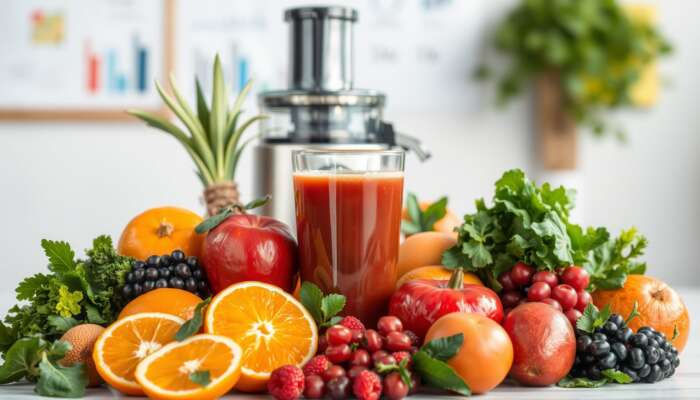
Antioxidants play a crucial role in protecting cells against oxidative stress, which can adversely affect hormonal health. Fruits such as berries, citrus fruits, and pomegranates are rich in antioxidants and can help mitigate the effects of free radicals in the body. Including these fruits in juices not only enhances taste but also offers a concentrated source of protective compounds that support hormone health.
Berries, in particular, are renowned for their high levels of vitamin C and other antioxidants, which can help support adrenal function and regulate cortisol levels. Citrus fruits like oranges and lemons provide abundant vitamin C, essential for collagen production and maintaining hormonal balance. Pomegranates possess anti-inflammatory properties, further contributing to hormonal health.
Incorporating antioxidant-rich fruits into juicing routines can effectively promote hormonal balance. Understanding the connection between antioxidants and hormone health enables individuals to make more informed dietary choices, leveraging the health benefits of these fruits to enhance overall well-being.
Delicious Juicing Recipes for Hormonal Health
Refreshing Green Hormone Booster Juice
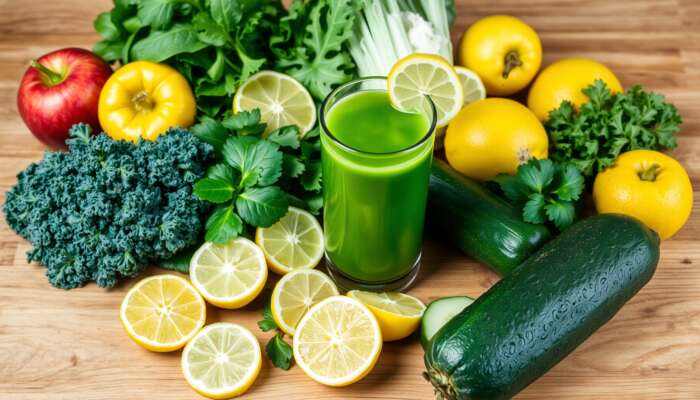
A refreshing green hormone booster juice can serve as a powerful ally in promoting hormonal health. By combining spinach, cucumber, and apple, you create a revitalizing beverage brimming with essential nutrients. Spinach is rich in magnesium, a mineral integral to hormone regulation, while cucumber offers hydration and supports detoxification.
To prepare this juice, start by juicing a handful of fresh spinach leaves, one medium cucumber, and one green apple for a touch of sweetness. This combination not only tastes delightful but also delivers a potent dose of vitamins and minerals that can bolster overall hormone balance. Consider adding a squeeze of lemon juice for an extra boost of vitamin C, which is beneficial for adrenal function.
This green juice is an ideal way to kickstart your day, providing a nutrient-dense foundation that can help regulate blood sugar levels and support hormonal health throughout the day. By incorporating this recipe into your routine, you harness the benefits of juicing for hormone balance while enjoying a delicious and refreshing drink.
Estrogen-Balancing Carrot and Beet Blend
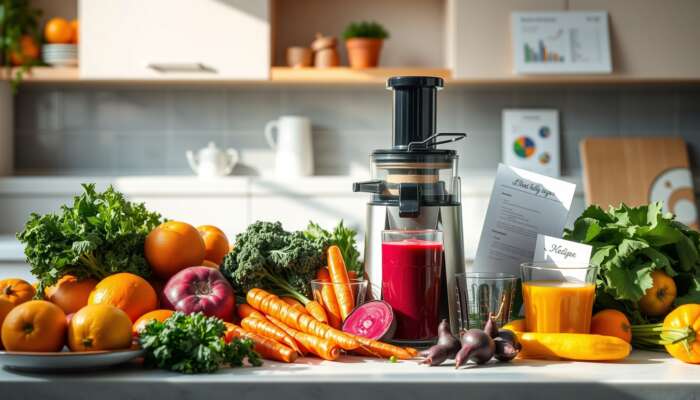
An estrogen-balancing blend can be a fantastic addition to your juicing repertoire, particularly for those experiencing hormonal fluctuations. Combining carrots, beets, and ginger creates a nutrient-dense juice that supports estrogen metabolism and overall hormonal health. Carrots are abundant in carotenoids, which have been linked to improved estrogen balance, while beets aid liver function and detoxification.
To prepare this vibrant juice, juice two medium-sized carrots, one medium beet, and a small piece of fresh ginger. The resulting blend is not only visually appealing but also packed with health benefits. The ginger adds a zingy kick, known for its anti-inflammatory properties, further enhancing hormonal balance.
This juice can serve as an excellent post-workout beverage or a revitalizing afternoon pick-me-up, providing essential nutrients and energy while working towards balancing estrogen levels. By incorporating this estrogen-balancing blend into your diet, you take proactive steps to support your hormonal health.
Delicious Adrenal Support Juice Recipe
An adrenal support juice can be transformative for individuals seeking to manage stress and bolster adrenal function. By combining oranges, spinach, and almonds, you create a delightful and nutrient-rich beverage that nourishes both body and mind. Oranges provide a refreshing source of vitamin C, essential for adrenal health, while spinach contributes magnesium and iron.
To make this adrenal support juice, juice two medium oranges, a handful of fresh spinach, and blend in a tablespoon of almond butter for creaminess and healthy fats. This juice not only tastes wonderful but also offers a well-rounded nutrient profile to help sustain energy levels and manage stress effectively.
Incorporating this juice into your morning routine can provide a refreshing and energizing start to your day. By supporting adrenal function through targeted nutrients, you enhance your body’s ability to cope with stress and promote overall hormonal balance.
Best Practices for Effective Juicing
Selecting Fresh and Organic Produce for Juicing
When it comes to juicing for hormonal balance, the quality of your ingredients is of utmost importance. Opting for fresh and organic produce ensures that you maximize nutrient content while reducing exposure to harmful chemicals. Conventionally grown fruits and vegetables may contain pesticide residues that could interfere with hormonal health.
Choosing organic produce not only supports your health but also contributes to sustainable farming practices. Additionally, selecting seasonal fruits and vegetables can enhance the flavor and nutritional profile of your juices. For example, during summer, local berries and melons can provide refreshing and hydrating options, while fall may bring produce like apples and pumpkins that are rich in antioxidants and fiber.
By prioritizing fresh and organic ingredients, you can create juices that are both delicious and packed with health benefits. This focus on quality ultimately supports your journey in learning how to juice for hormone balance, ensuring you consume the best possible nutrients for your hormonal health.
Mastering Juicing Techniques and Equipment
The right juicing techniques and equipment can greatly influence the quality and nutrient retention of your juices. Utilizing a cold-press juicer is often recommended, as these machines extract juice without generating heat, preserving the nutrients and enzymes found in fresh produce. This gentle extraction process ensures that you maximize the health benefits of your ingredients, particularly when focusing on hormonal balance.
When preparing ingredients for juicing, wash them thoroughly and consider cutting them into smaller pieces for efficient juicing. Aiming for a mix of colors in your juice not only enhances visual appeal but also ensures a diverse range of nutrients. Additionally, consuming your juice shortly after preparation helps prevent nutrient degradation, ensuring you receive maximum benefits from your beverage.
By adopting these techniques, you can enhance the quality of your juices, making them even more beneficial for your hormonal health. Understanding how to effectively use juicing equipment empowers you to create nutrient-rich beverages tailored to your specific health goals.

Timing and Frequency for Optimal Juicing Benefits
Incorporating juicing into your daily routine can be a powerful strategy for maintaining hormonal balance. Understanding the optimal times to consume juice can enhance its benefits. Many individuals find that starting the day with a nutrient-rich juice serves as an energizing boost, providing essential vitamins and minerals to fuel the morning. Midday juices can also serve as refreshing pick-me-ups, especially if energy levels are low or stress is high.
Frequency is important too; daily juicing can help ensure a consistent intake of vitamins and minerals that support hormonal health. However, it’s crucial to listen to your body’s cues and adjust your juicing habits accordingly. Some may thrive on daily juicing, while others may prefer a few times a week.
Integrating juicing into your routine as a regular practice can provide a steady source of nutrients that support hormonal balance. By understanding the optimal timing and frequency of juicing, you can tailor your approach to best suit your individual health needs.
Incorporating Juicing into a Balanced Diet
Balancing Juices with Whole Foods for Optimal Nutrition
While juicing provides a concentrated source of nutrients, it’s essential to balance juice consumption with whole foods to achieve optimal health. Whole foods deliver additional fiber, protein, and healthy fats that are crucial for hormone regulation. Juices can complement a well-rounded diet but should not replace essential meals or snacks.
For instance, pairing a green juice with a balanced meal that includes lean protein and healthy fats can promote sustained energy and improved blood sugar control. This combination allows for varied nutrient intake, supporting overall hormonal health while maximizing the benefits of both juices and whole foods.
By understanding the value of integrating both juices and whole foods, individuals can create a balanced approach to nutrition that supports their health goals. This holistic strategy emphasizes the importance of diversity in the diet, ensuring that all nutritional needs are met while working toward achieving hormonal balance.
Meal Planning for Effective Juice Integration
Meal planning can be an invaluable tool for effectively incorporating juicing into your diet. By planning meals that include juices, you can ensure that your nutritional needs are fulfilled while promoting hormone balance. Consider incorporating juices as part of a balanced breakfast, lunch, or dinner, allowing for diverse nutrient intake throughout the day.
For example, planning a hearty breakfast that includes a green juice alongside oatmeal topped with nuts and berries can create a nutrient-rich start to the day. Similarly, pairing a refreshing beet juice with a salad packed with colorful vegetables can enhance your lunch, providing a powerful dose of antioxidants and vitamins.
Taking the time to plan meals and juice recipes allows individuals to stay organized and intentional about their dietary choices. This proactive approach can lead to more consistent juicing habits and better overall health outcomes, supporting the journey toward learning how to juice for hormone balance.
Listening to Your Body’s Signals for Optimal Juicing
Listening to your body’s signals is essential when integrating juicing into your diet. Every individual’s body reacts differently to various foods and nutrients, particularly in terms of hormonal balance. It’s crucial to pay attention to how you feel after consuming specific juices, as this can inform your choices moving forward.
Adjusting juicing habits based on personal experiences can lead to more effective results. For instance, if a particular juice leaves you feeling energized and balanced, consider incorporating it regularly. Conversely, if a juice causes discomfort or doesn’t settle well, it may be wise to modify the recipe or adjust the frequency of consumption.
By tuning into your body and understanding its unique reactions to juicing, you can optimize your approach to effectively support hormonal health. This personalized strategy empowers individuals to make informed decisions that align with their health goals and lifestyle.
Frequently Asked Questions About Juicing for Hormonal Balance
How does juicing contribute to hormonal balance?
Juicing provides concentrated nutrients that can aid in hormone regulation, detoxification, and overall well-being. Ingredients rich in vitamins, minerals, and phytonutrients can help restore hormonal equilibrium.
Can juicing alleviate menopause symptoms?
Yes, certain juices containing phytoestrogen-rich foods and antioxidants can help relieve menopause symptoms, such as hot flashes and mood swings, by supporting hormonal balance.
How often should I incorporate juicing for hormonal health?
Daily juicing can be beneficial for hormonal health, but it’s essential to listen to your body and adjust the frequency based on personal needs and responses.
What are key ingredients for hormone-balancing juices?
Cruciferous vegetables, phytoestrogen-rich foods like flaxseeds, and antioxidant-rich fruits such as berries and citrus fruits are excellent choices for hormone-balancing juices.
Is juicing or blending fruits and vegetables better?
Both juicing and blending offer their own benefits. Juicing allows for rapid nutrient absorption, while blending retains fiber. Combining both methods can be ideal for overall health.
Can I substitute meals with juice?
While juice can be a nutritious addition to your diet, it should complement whole foods rather than replace meals to ensure a balanced intake of nutrients.
What are the best times to consume juice?
Mornings are often ideal for a nutrient-rich juice to energize your day, while mid-afternoon juices can serve as refreshing pick-me-ups to sustain energy levels.
Can juicing assist with weight management?
Juicing can support weight management by providing low-calorie, nutrient-dense options that help curb cravings and encourage healthier food choices.
Are there any risks associated with juicing?
Excessive juicing or reliance solely on juices can lead to nutrient deficiencies, particularly in protein and fiber. It’s important to maintain a balanced diet.
How can I enhance the flavor of my juices?
Experimenting with various fruits, herbs, and spices can elevate the flavor of your juices. Adding ingredients like ginger or mint can enhance taste while boosting health benefits.



It’s fascinating how hormonal imbalances can ripple through so many aspects of our health. I’ve personally experienced how fluctuations in hormones can affect everything from my mood to my energy levels. For example, during particularly stressful periods, I noticed significant changes in my sleep patterns and could feel my body sort of shutting down. It made me realize how interconnected everything really is—like, when our cortisol levels are out of whack, it doesn’t just affect stress; it can lead to other issues, like cravings and weight gain.
It’s so true how hormonal imbalances can create this domino effect in our bodies. I’ve had my own experiences with fluctuating hormones, especially during busy or stressful times. Like you mentioned, cortisol plays such a significant role; when it’s high, it’s almost like you’re running on empty, but your body still craves that energy, leading to those cravings and often, late-night snacking.
I completely relate to what you’re saying about hormonal imbalances having that domino effect. It’s interesting how stress can create such a ripple—like when cortisol spikes, it really does change everything, from our energy levels to our cravings. I noticed during periods of heightened stress, especially when I’m juggling work deadlines and personal life, I often reach for snacks that are quick and comforting rather than nourishing.
It’s interesting how our bodies respond to stress and hormonal shifts, isn’t it? When cortisol levels spike, it really can feel like we’re in a constant state of alertness, which messes with our natural hunger cues. That craving for energy is so real, and it often leads to those not-so-great late-night snack runs.
It’s really striking how our bodies respond to stress. I hear you on the sleep disturbances; it’s almost like our bodies are putting up a signal flag when things get tough. When cortisol spikes, it’s not just about feeling anxious or wired; those surges can definitely wreak havoc on our sleep quality and overall energy levels.
I can really relate to what you’re saying about hormonal imbalances and their far-reaching effects. It’s almost surprising how intricate our bodies are and how one change can set off a chain reaction. I’ve noticed similar patterns in my own life—especially during busy times when stress runs high. My sleep definitely suffers, and I find myself more irritable, which just adds to the cycle of stress.
This is such an important topic! I’ve personally seen how hormonal imbalances can affect not just energy levels, but also mood and cognitive function. A friend of mine struggled with anxiety linked to thyroid issues, which really opened my eyes to the far-reaching impacts of hormones on mental health. It’s fascinating how interconnected our bodily systems are—something as seemingly small as a hormone can have such big effects! It makes me wonder how much more we could do to raise awareness about monitoring hormonal health, especially in today’s fast-paced environment. Have you come across any specific lifestyle changes that have shown promise in balancing hormones more effectively?
This is such an interesting exploration of hormonal imbalances! It’s funny how our bodies can turn into drama queens over something as small as a hormone. One day, our thyroid is chill and efficient, and the next, it’s staging a full-blown rebellion against our metabolism!
This is such an enlightening exploration of hormonal imbalances and their ripple effects on our health! I’ve personally experienced how subtle changes in hormone levels can dramatically alter daily life. For instance, my sleep patterns took a hit due to fluctuating cortisol levels during a particularly stressful period. It’s fascinating (and a bit daunting) to think about how interconnected our hormonal health is with so many aspects of our well-being.
I appreciate how you highlighted the nuanced effects of hormonal imbalances on our overall health and well-being. It’s such a complex yet crucial topic. From personal experience, I’ve found that stress can drastically affect my hormonal balance. For instance, during particularly hectic periods, I noticed fluctuations in my energy levels and mood, which I later learned were tied to cortisol levels.
I’m glad you brought attention to the complexities of hormonal imbalances! It often feels like hormonal health is brushed aside in conversations about overall wellness, even though it plays such a crucial role in how we feel day-to-day. I remember when I first learned about how different hormones impact energy and mood; it was a bit of a revelation for me. I realized how certain lifestyle changes—like adjusting my diet and refining my sleep hygiene—really transformed how I managed my stress levels and energy throughout the day.
It’s really interesting how hormonal imbalances can influence so many areas of our health beyond just the obvious physical symptoms. I remember when I went through a phase of unusual fatigue and mood swings, and after some testing, I found out my thyroid levels were off. It was a wake-up call about how interconnected our body systems are.
Your exploration of hormonal imbalances raises critical points about how these fluctuations can drastically affect overall health and wellness. However, I find it intriguing how societal perceptions of hormonal issues—especially those relating to women—are often oversimplified or stigmatized. For instance, while conditions like PMS or menopause are frequently seen as mere inconveniences, they result from significant hormonal shifts that can profoundly impact mood, energy, and even cognitive function.
You’ve touched on such an important aspect of hormonal health—the way societal perceptions can shape our understanding and experience of these conditions. It’s interesting how conditions like PMS and menopause are often trivialized. For many women, these hormonal shifts aren’t just inconveniences; they can lead to a range of physical and emotional challenges that are rarely discussed openly.
Your exploration of hormonal imbalances and their pervasive impact on health truly resonates with me. The body’s intricate hormonal network often feels like an underappreciated orchestra—where even a slight dissonance can lead to significant disruptions in our overall well-being. I can personally relate to the effects of hormonal fluctuations; after experiencing significant stress in my life, I noticed changes in my energy levels and mood that were both confusing and concerning.
Your analogy of the body’s hormonal network as an orchestra is a compelling way to illustrate just how interconnected our bodily systems are. It’s fascinating to consider each hormone as an instrument, each playing its part in creating a symphony of health. When one instrument is out of tune, it’s no surprise that the entire performance can feel off-kilter.
Your analogy of the body’s hormonal network as an orchestra is an apt one; it really captures the complexity and the delicate balance involved in maintaining our health. Just like a conductor bringing different instruments into harmony, our hormones need to work in sync to support our overall wellbeing.
Hormonal imbalances sound a bit like my bank account after a shopping spree—one minute I’m flush with cash, and the next, I’m wondering where all my savings went! It’s fascinating how these tiny messengers can wield such power over our lives. Take cortisol, for example; I’ve read that it’s our stress hormone, and honestly, if I had a dollar for every time I felt it kick in during a deadline, I’d probably have an excess of cortisol and a serious metabolic issue!
I really appreciated your insights into hormonal imbalances and their effects on health. It’s fascinating (and a bit alarming) how much these chemical messengers govern our day-to-day lives. I found it especially interesting how you pointed out the vast array of origins for these imbalances; it really resonates with my own experience.
It’s great to hear that the article resonated with you. Hormonal imbalances really do play a profound role in our daily lives, often in ways we don’t even realize until something feels off. It’s almost like these hormones are the unsung heroes (or villains, depending on the day) behind our moods, energy levels, and even how we respond to stress.
I appreciate this enlightening exploration of hormonal imbalances and their profound impact on overall health. It’s fascinating how something as seemingly subtle as hormonal fluctuations can ripple through so many facets of our lives—energy levels, mood, even our metabolism. I’ve personally experienced the effects of hormonal imbalances, particularly with thyroid issues that have led to fatigue and weight fluctuations. Understanding that these are not solely lifestyle-induced but can stem from a mix of genetics, stress, and environmental influences is an eye-opener.
This is a fascinating exploration of hormonal imbalances and their widespread effects on health. I’ve noticed, personally, how fluctuations in my own hormone levels have influenced everything from mood to physical energy. For instance, during times of high stress or significant lifestyle changes, I often feel more fatigued and less motivated, which leads me to wonder about the underlying hormonal shifts at play.
I found this post to be particularly relevant, especially given how often we overlook the role of hormonal health in our overall well-being. A few years back, I experienced some severe fatigue and mood swings that I later learned were linked to thyroid imbalances. It was eye-opening to realize how much our hormones influence not just physical health but our emotional and mental state as well.
The exploration of hormonal imbalances touches on an area that often feels overlooked yet is so pivotal to our well-being. I’ve personally experienced the subtle yet profound effects hormonal shifts can have on mood and energy. It’s fascinating how something that seems almost invisible can alter our daily lives.
Your exploration of hormonal imbalances and their far-reaching effects on health raises some important points that deserve further contemplation. It’s intriguing how interconnected our hormonal systems are with our overall well-being, yet many people are still unaware of just how these imbalances can manifest in everyday life.
This is such a crucial topic to explore! I’ve experienced firsthand how hormonal imbalances can impact daily life, particularly with stress and energy levels. It’s fascinating—and a bit alarming—how interconnected our hormonal health is with seemingly unrelated areas like mood and even skin health. I remember when I had fluctuations in my thyroid levels; it felt like I was on an emotional rollercoaster, not to mention constant fatigue.
This post brings to light an often overlooked but critically important topic in health and wellness—hormonal balance. Your emphasis on how hormonal imbalances can affect various aspects of our lives, from metabolism to emotional well-being, resonates deeply with my personal experiences as well as those of many people I know.