


Explore the Powerful Advantages of Natural Juice for Allergy Relief
Natural juices are rapidly becoming recognized as vital allies in the ongoing fight against allergies. These nutrient-dense beverages do more than simply hydrate; they possess numerous health-promoting properties that can dramatically improve how our bodies respond to allergens. It’s crucial to understand how natural juice for allergy relief can fortify our immune systems and alleviate uncomfortable symptoms for anyone looking for alternative or complementary strategies to manage allergies effectively.
Enhancing Your Immune System with Natural Juice
The immune system serves as our body’s primary defense against allergens, and natural juice for allergy relief is instrumental in elevating its performance. Juices derived from fruits and vegetables are abundant in essential vitamins, most notably vitamin C, which is widely recognized for its immune-enhancing capabilities. For example, a single cup of orange juice provides an impressive 124% of the daily recommended intake of vitamin C. This important nutrient not only strengthens the immune response but may also help diminish the intensity of allergy symptoms by potentially regulating the body’s reactions to allergens.
In addition, juices that include ingredients like ginger and turmeric are highly regarded for their immune-boosting properties. Ginger, known for its potent anti-inflammatory effects, can assist in calming the immune system’s excessive responses typical in allergic conditions. Turmeric, on the other hand, contains curcumin, which is celebrated for its ability to reduce inflammation and modulate immune function. Including these beneficial juices in your daily routine can equip your body with essential tools to effectively combat allergens and maintain a balanced immune response.
Furthermore, maintaining adequate hydration is crucial for optimal immune performance. Natural juices not only aid in hydration but also deliver essential nutrients, making them an excellent choice for anyone grappling with allergies. This hydration process helps the body eliminate toxins and allergens, further promoting immune health and minimizing allergic reactions, thereby enhancing your overall well-being.

Combatting Inflammation with Nutrient-Rich Juices
Inflammation is a common physiological reaction triggered when the body encounters allergens. Juices endowed with anti-inflammatory properties can be particularly advantageous in managing these responses. For instance, juices made from beets, carrots, and various green vegetables are known for their significant anti-inflammatory effects due to their high concentrations of antioxidants and other beneficial compounds.
Beet juice, in particular, is famous for its ability to lower blood pressure and reduce inflammation, thanks to its rich content of betalains. Similarly, carrot juice is packed with beta-carotene, which offers antioxidant protection and supports skin health. These juices can effectively alleviate the swelling and irritation commonly associated with allergic reactions, helping individuals find relief from bothersome symptoms such as nasal congestion and skin rashes.
Moreover, research indicates that a diet rich in fruits and vegetables can lower inflammatory markers within the body, underscoring the importance of incorporating natural juice for allergy relief into your daily regimen. The cumulative effects of these juices can lead to a more stable inflammatory response, allowing individuals to enjoy life free from the burdensome effects of allergy symptoms.
Harnessing Antioxidant Power for Allergy Management
Antioxidants are crucial for preserving cellular health and counteracting oxidative stress, which can be aggravated by allergens. Juices abundant in antioxidants, such as acai, pomegranate, and green tea, can offer significant protective benefits. These juices function by neutralizing free radicals and diminishing oxidative damage that might trigger or exacerbate allergic reactions.
For instance, pomegranate juice is not only delicious but also rich in polyphenols, which have demonstrated both anti-inflammatory and antioxidant effects. Likewise, acai juice is lauded for its high antioxidant content, making it an excellent choice for those seeking to strengthen their defenses against allergens. By regularly consuming natural juice for allergy relief, individuals can enhance their bodies’ capacity to manage allergens and lessen the overall severity of allergic responses.
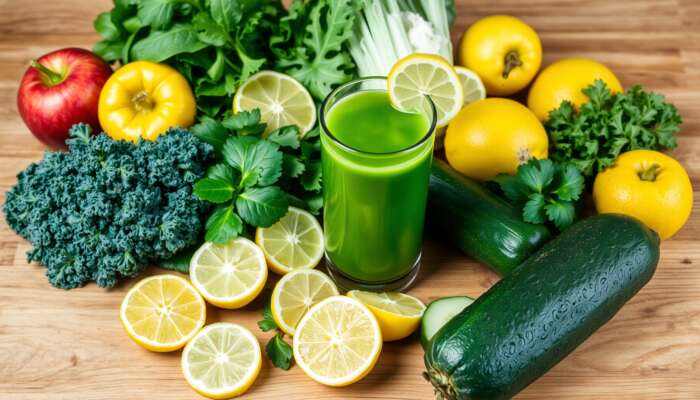
Furthermore, green juices, which often include spinach, kale, and other leafy greens, are loaded with vitamins A, C, and K, all of which play essential roles in immune function and may assist in alleviating allergy symptoms. Incorporating a variety of antioxidant-rich juices into your diet can create a robust shield against allergens, promoting long-term health and well-being.
The Importance of Hydration and Detoxification
Proper hydration is fundamental to maintaining overall health, and it becomes even more critical when managing allergies. Natural juices provide a delightful method to hydrate while simultaneously supporting the body’s detoxification processes. Juices with high water content, such as watermelon and cucumber juice, not only quench thirst but also aid in flushing out toxins and allergens from the body.
Detoxification through natural juicing can alleviate the strain on the body caused by allergens. For example, celery juice has gained popularity for its ability to cleanse the body while offering anti-inflammatory benefits. This detoxifying effect can be particularly advantageous during allergy season when the body’s systems are stressed due to pollen and other allergens.
Additionally, keeping the body well-hydrated through juicing can help thin mucus, making it easier to expel allergens and reducing nasal congestion. This is especially beneficial for individuals suffering from respiratory allergies. Regularly consuming natural juice for allergy relief not only helps keep you hydrated but also supports your body’s natural detoxification processes, leading to improved respiratory health and overall wellness.
Essential Nutrients for Effective Allergy Management
One of the most significant advantages of natural juice for allergy relief is its ability to deliver vital nutrients that assist in managing and alleviating allergy symptoms. Juices made from a diverse array of fruits and vegetables are rich in vitamins, minerals, and phytochemicals that promote overall health and vitality.
For instance, vitamin C, abundantly found in citrus fruits and bell peppers, is known to lower histamine levels within the body, which can alleviate symptoms such as itching and sneezing. Similarly, B vitamins, found in leafy greens and beets, are essential for maintaining optimal energy levels and metabolic function, helping individuals cope better with the fatigue often associated with allergies.
Additionally, omega-3 fatty acids, which can be included in juices that incorporate flaxseed oil or hemp seeds, have been shown to exert anti-inflammatory effects and may help mitigate the severity of allergic reactions. By diversifying nutrient intake through natural juice for allergy relief, individuals can adopt a comprehensive approach to effectively managing allergies.
The combination of hydration, vitamins, and antioxidants in natural juices not only alleviates immediate allergy symptoms but also prepares the body to handle future allergen exposures. This holistic approach underscores the importance of recognizing and harnessing the benefits of natural juices in our daily lives.
Key Ingredients to Include in Allergy-Relief Juices
Crafting effective juices for allergy relief requires a thorough understanding of the key ingredients that can significantly impact our health. Each component brings unique properties that contribute to alleviating allergy symptoms and enhancing overall wellness. By focusing on these ingredients, you can customize your juice recipes to maximize their allergy-fighting potential.
Harness the Power of Citrus Fruits for Immune Support
Citrus fruits are frequently celebrated for their high vitamin C content, making them indispensable for anyone aiming to alleviate allergy symptoms. Oranges, lemons, limes, and grapefruits not only provide a refreshing flavor but also offer a substantial boost to the immune system. Vitamin C is known to diminish histamine levels, thereby reducing the intensity of allergic reactions such as sneezing and itchy eyes.
In addition to vitamin C, citrus fruits are teeming with flavonoids that possess both antioxidant and anti-inflammatory properties. For instance, hesperidin, a flavonoid found in oranges, is linked to enhanced blood circulation and immune response, positioning it as a formidable ally against allergens. Drinking freshly squeezed juice from these fruits offers a delicious method to consume these beneficial compounds and bolster your health.
Moreover, the acidity of citrus fruits can aid in thinning mucus, facilitating the expulsion of allergens from the respiratory tract. This characteristic is particularly advantageous for individuals suffering from seasonal allergies when pollen levels soar. Incorporating citrus juices into your diet can establish an effective strategy for managing allergy symptoms while enjoying the vibrant flavors they bring.

Boost Allergy Relief with Ginger
Ginger is another powerful ingredient that can significantly enhance the efficacy of natural juice for allergy relief. Renowned for its anti-inflammatory and antioxidant properties, ginger has been utilized in traditional medicine for centuries to address various ailments. While its ability to alleviate nausea and digestive issues is well-documented, it also plays a crucial role in managing allergic reactions.
The active compounds in ginger, such as gingerol and shogaol, have been shown to inhibit the production of pro-inflammatory cytokines, which contribute to allergic responses. By reducing inflammation in the nasal passages, ginger can help alleviate symptoms like congestion and sinus pressure, making it an exceptional addition to allergy-relief juices.
Furthermore, ginger’s warming properties can stimulate circulation, potentially aiding the body’s ability to flush out toxins and allergens. Adding ginger to your juice recipes not only enhances flavor but also delivers a potent anti-inflammatory boost that can help relieve allergy symptoms and promote overall health.
Utilize Turmeric for Enhanced Allergy Management
Turmeric, with its striking golden hue, is more than just a culinary spice; it serves as a powerful ingredient for managing allergies. The active compound curcumin found in turmeric is well-known for its anti-inflammatory, antioxidant, and antihistamine effects. Research suggests that curcumin can inhibit the release of histamine from mast cells, which play a vital role in allergic reactions.
Incorporating turmeric into allergy-relief juices can provide a flavorful and healthful enhancement. Whether combined with citrus fruits, ginger, or even coconut water, turmeric can significantly improve the juice’s effectiveness in alleviating allergy symptoms. Its anti-inflammatory properties can help reduce swelling and irritation in the airways, facilitating easier breathing during allergy season.
Moreover, the health benefits of turmeric extend beyond allergies. Its antioxidant properties can guard against cellular damage and bolster overall immune function, making it a valuable addition to anyone’s diet, especially for those prone to allergies. The combination of flavor and health benefits renders turmeric a versatile ingredient in crafting delicious and effective juices.
Pineapple: A Tropical Ally Against Allergies
Pineapple is not only a tropical delight but also a fantastic ingredient for those seeking natural juice for allergy relief. This succulent fruit contains bromelain, an enzyme known to reduce inflammation and swelling, particularly within the sinuses. For individuals grappling with nasal congestion or sinusitis, pineapple juice can offer soothing relief.
Bromelain operates by breaking down proteins that may contribute to inflammation. Its ability to thin mucus makes it easier to expel, alleviating symptoms associated with allergies. Additionally, pineapple is abundant in vitamin C, further enhancing immune support and overall health.
Enjoying fresh pineapple juice can be a refreshing way to incorporate this powerful fruit into your diet. Whether savored alone or blended with other allergy-fighting ingredients like ginger or turmeric, pineapple juice can serve as a delicious and effective resource for managing allergy symptoms during peak seasons.
Local Honey: A Natural Remedy for Seasonal Allergies
Local honey is often revered as a natural remedy for seasonal allergies, and for good reason. The concept of “honey therapy” is based on the belief that consuming local honey can help desensitize the body to local pollen. Bees gather pollen from flowering plants in your vicinity, and by ingesting this pollen through honey, you may gradually build up a tolerance to it.
This process could lead to a reduction in allergy symptoms for many individuals. While scientific research on this topic is somewhat limited, numerous people swear by local honey as a natural way to combat seasonal allergies. Incorporating local honey into your juice recipes not only enhances flavor but may also offer potential allergy relief.
When mixed with other juice ingredients such as citrus fruits or ginger, local honey can create a delicious and healthful drink that supports your body’s ability to manage and alleviate allergy symptoms. Choosing raw, unprocessed honey ensures you receive all its beneficial properties, making it an excellent addition to your natural juice arsenal.
Steps to Prepare Allergy-Relief Juices
Creating effective allergy-relief juices involves more than just selecting ingredients; it also entails understanding the right preparation methods. Familiarizing yourself with juicing techniques, differentiating between blending and juicing, and following proper storage practices can significantly impact the health benefits you derive from your juice.
Mastering Juicing Techniques for Maximum Benefit
When preparing natural juice for allergy relief, the technique you choose can greatly influence the nutritional content of your juice. Cold-press juicing is often regarded as the optimal method for preserving the highest amount of vitamins and enzymes. This technique gently extracts juice from fruits and vegetables without introducing heat, which can compromise sensitive nutrients.
For those who do not have access to a cold-press juicer, a centrifugal juicer can still be effective, although it may yield juice with slightly lower nutrient content. Regardless of the method you select, ensure that you wash your fruits and vegetables thoroughly to eliminate any pesticides or residues that could trigger allergies.
Another vital juicing tip is to vary your ingredients. This practice not only prevents flavor fatigue but also guarantees a diverse range of nutrients for your body. Mixing various fruits and vegetables can enhance the overall antioxidant and anti-inflammatory properties of your juice, making it more effective in managing allergy symptoms.
Understanding Blending vs. Juicing
Recognizing the differences between blending and juicing is essential when crafting allergy-relief beverages. Juicing extracts the liquid from fruits and vegetables while discarding the pulp, resulting in a nutrient-dense drink that is easily absorbed by the body. This method is ideal for those seeking concentrated doses of vitamins and minerals.
Conversely, blending retains the whole fruit or vegetable, providing fiber alongside the nutrients. This fiber is beneficial for digestive health and can help regulate blood sugar levels. For those managing allergies, a fiber-rich drink can support overall health but may be less effective in delivering concentrated nutrients quickly.
Choosing between these methods depends on your health objectives. If you seek immediate relief and efficient nutrient absorption, juicing is the way to go. However, if you want to incorporate more fiber into your diet while still reaping the benefits of fruits and vegetables, blending is an excellent alternative.
Effective Storage Tips for Fresh Juices
Proper storage is crucial for preserving the potency of your freshly made juices. Exposure to air and light can lead to nutrient degradation, so it’s advisable to store your juice in airtight containers made of glass or BPA-free plastic. If you plan to keep your juice for more than a few hours, refrigeration is recommended to slow down nutrient loss.
Additionally, consuming your juice within the first 24 hours is advised for optimal freshness and nutrient content. If you need to store juice for later consumption, consider freezing it in ice cube trays, enabling you to thaw only the quantity needed while retaining the juice’s health benefits.
Keep in mind that the nutritional advantages of natural juice for allergy relief are best realized when the juice is enjoyed fresh. Taking the time to prepare and store your juices correctly ensures that you receive the maximum benefits from your efforts, effectively combating allergy symptoms.
Establishing Daily Consumption Guidelines
Creating a routine for consuming allergy-relief juices can significantly enhance their efficacy. By understanding the recommended dosages, optimal timing, and how to combine juices with other treatments, you can optimize your allergy management approach.
Identifying the Recommended Dosage
Determining the right amount of juice to consume daily is crucial for maximizing the benefits of natural juice for allergy relief. Generally, a serving size of 8 to 12 ounces is deemed effective, providing a concentrated dose of nutrients without overwhelming the body.
However, individual needs may vary based on factors such as age, weight, and the severity of allergy symptoms. It’s wise to begin with smaller portions and gradually increase as your body acclimates. Paying attention to how your body reacts can assist you in discovering the optimal dosage that suits you best.
Furthermore, incorporating a variety of juices throughout the week can ensure you receive a broad spectrum of nutrients. This diversity not only aids in combating allergies but also promotes overall health. Consider creating a weekly juicing plan that includes different recipes to keep your regimen interesting and effective.
Timing Your Juice Consumption for Maximum Impact
The timing of your juice consumption can also affect its effectiveness. Drinking juice in the morning on an empty stomach can maximize nutrient absorption, providing an excellent start to your day. This approach allows vitamins and minerals to enter your system quickly, setting a positive tone for your body’s immune response throughout the day.
Another effective strategy is to consume juice before meals. Doing so can help reduce inflammation and prepare your body for the intake of allergens, whether they come from food or the environment. For those prone to respiratory allergies, drinking juice in the late afternoon may help alleviate symptoms that typically intensify during this time.
It’s essential to listen to your body and adjust your timing based on your lifestyle and allergy patterns. Maintaining a consistent schedule can help your body establish a rhythm, making it easier to manage symptoms in an effective manner.
Integrating Juices with Other Allergy Treatments
Combining natural juice for allergy relief with other allergy management strategies can enhance overall effectiveness. For example, pairing your juice consumption with antihistamine medications can provide a more comprehensive approach to controlling allergy symptoms. Always consult with your healthcare provider prior to making changes to your treatment plan.
Additionally, adopting a balanced diet rich in anti-inflammatory foods can complement the benefits of your juices. Consuming whole grains, lean proteins, and healthy fats alongside your juices can support overall health and boost immune function, enabling you to cope with allergies more effectively.
Practicing healthy lifestyle habits, such as engaging in regular exercise and ensuring adequate sleep, can also improve your body’s resilience against allergens. By combining your juice regimen with these strategies, you can create a holistic approach to allergy management that promotes long-term health and wellness.
Targeted Juices for Common Allergies
Understanding common allergies and crafting juices specifically aimed at addressing them can greatly enhance your quality of life. Different allergens require unique approaches, and certain juices can provide targeted relief for various allergic symptoms.
Effective Juices for Pollen Allergies
Pollen allergies rank among the most prevalent, affecting millions globally. Symptoms such as sneezing, itchy eyes, and nasal congestion can be bothersome, but specific juices can help alleviate these issues. Juices made from citrus fruits, such as oranges and lemons, are rich in vitamin C and can aid in lowering histamine levels, thereby lessening allergic reactions.
Additionally, juices containing local honey can potentially desensitize the body to local pollen. By consuming honey sourced from your area, you may gradually build up a tolerance, resulting in fewer allergy symptoms during peak pollen seasons. Combining these ingredients into a refreshing juice can serve as a powerful remedy against pollen allergies.
Another effective juice for pollen allergies is a blend of ginger and turmeric. Both ingredients possess anti-inflammatory properties that can alleviate nasal congestion and sinus pressure. By incorporating these juices into your daily routine, you can experience relief from the most common symptoms associated with pollen allergies.
Juices to Alleviate Food Allergies
Food allergies can provoke severe reactions, and while they necessitate careful management, certain juices can assist in diminishing the severity of symptoms. Juices abundant in antioxidants and anti-inflammatory compounds, such as those crafted from berries, can help mitigate immune responses.
For example, blueberry juice is rich in antioxidants that can help combat oxidative stress and inflammation. While it cannot replace conventional treatments for food allergies, it can serve as a supportive measure to promote overall health and possibly lessen the impact of allergic reactions.
Another beneficial juice to consider is green juice, particularly those incorporating spinach and kale. These leafy greens are packed with vitamins and minerals that bolster immune function and enhance overall health. While individuals with food allergies should remain cautious, integrating these nutrient-dense juices can contribute to a more balanced diet.
Managing Dust and Mold Allergies with Juices
Dust and mold allergies can be particularly troublesome, leading to symptoms such as coughing, sneezing, and respiratory issues. Juices with anti-inflammatory properties can be effective in managing these symptoms. For instance, beet juice is recognized for its ability to reduce inflammation and enhance blood circulation, making it a valuable addition to your juice collection.
Incorporating ginger and turmeric into your juices can also provide substantial relief. Both ingredients have demonstrated abilities to reduce inflammation and support immune function, making them excellent choices for individuals suffering from dust and mold allergies. A juice blend featuring these components can aid in soothing inflammation in the respiratory tract, allowing for easier breathing.
Moreover, introducing juices from fruits high in vitamin C can fortify the immune response against allergens. Citrus juices, such as lemon or grapefruit, can promote overall health and diminish the severity of symptoms associated with dust and mold exposure.
Soothing Skin Allergies with Beneficial Juices
Skin allergies, which manifest as rashes, hives, or itching, can be incredibly uncomfortable. Juices rich in antioxidants and anti-inflammatory compounds can help alleviate skin allergy symptoms. For example, cucumber juice is hydrating and possesses anti-inflammatory properties that can calm irritated skin.
Similarly, juices made from aloe vera not only provide hydration but also offer soothing benefits for the skin. Aloe vera is well-known for its capacity to relieve skin irritation and foster healing. Incorporating these juices into your routine can provide relief for skin allergies while simultaneously promoting overall skin health.
Additionally, juices containing berries, such as strawberries and blueberries, are loaded with antioxidants that can help protect the skin from oxidative stress. By regularly consuming these juices, you can support your skin’s health and potentially mitigate the impact of skin allergies.

Understanding Safety and Side Effects of Natural Juices
While natural juice for allergy relief offers numerous advantages, it’s crucial to be aware of potential safety concerns and side effects. Understanding possible allergic reactions, interactions with medications, and the risks associated with overconsumption can help you make informed choices regarding your juice regimen.
Recognizing Potential Allergic Reactions
Although juices can be beneficial, they may also provoke allergic reactions in some individuals. It’s essential to be mindful of the ingredients you use, especially if you have known allergies. For instance, certain fruits like kiwi or pineapple can elicit allergic responses in susceptible individuals.
When experimenting with new juice recipes, it’s wise to start with small quantities to monitor your body’s reaction. If you notice any signs of an allergic reaction, such as rash, itching, or difficulty breathing, discontinue use immediately and consult a healthcare professional.
Moreover, opting for organic fruits and vegetables whenever possible can reduce the risk of exposure to pesticides or other chemicals that may exacerbate allergies. Being vigilant about ingredient sources and potential allergies can help ensure your juice regimen remains a safe and healthful practice.
Acknowledging Interactions with Medications
Juices can interact with specific medications, making it essential to consult with your healthcare provider before incorporating significant amounts of juice into your daily routine, particularly if you are taking medications for allergy management or other health conditions. For instance, grapefruit juice is known to interfere with various medications, including certain antihistamines and blood pressure drugs.
Understanding these interactions is crucial for effectively managing your health while utilizing natural juice for allergy relief. Always inform your healthcare provider about any dietary changes, including new juice regimens, to ensure a safe and integrated approach to your health.
Risks of Overconsumption
While juicing can provide numerous benefits, moderation is essential. Consuming excessive amounts of juice can lead to an imbalance in your diet, particularly concerning sugar intake. Many fruit juices contain high levels of natural sugars, which can contribute to weight gain and other health concerns if consumed in large quantities.
To mitigate these risks, aim for a balanced approach by incorporating whole fruits and vegetables into your diet alongside juice consumption. This strategy not only ensures you receive a variety of nutrients but also helps maintain a healthy balance of sugars and calories.
By being mindful of your juice intake and combining it with a balanced diet, you can enjoy the benefits of natural juice for allergy relief without overindulging. A thoughtful approach will allow you to harness the power of natural juices while minimizing potential risks.
Strategies to Enhance Juice Effectiveness
To maximize the benefits of your allergy-relief juices, consider implementing additional strategies that enhance their effectiveness. Incorporating supplements, combining juices with a well-rounded diet, and making lifestyle adjustments can all contribute to improved allergy management.
Enhancing Your Juices with Supplements
Certain supplements can complement the benefits of natural juice for allergy relief. For instance, probiotics play a critical role in supporting gut health, which is intricately linked to immune function. A healthy gut microbiome can improve your body’s ability to manage allergens, making probiotics a valuable addition to your regimen.
Omega-3 fatty acids are another supplement worth considering. These healthy fats possess anti-inflammatory properties that can help mitigate allergic reactions. Incorporating omega-3 supplements or consuming foods rich in these fatty acids, such as flaxseed or fish oil, can enhance your overall health and boost your body’s resilience against allergens.
Always consult with a healthcare professional before starting any new supplements to ensure they are suitable for your individual health needs and circumstances.
Integrating Juices with a Nutrient-Dense Diet
Incorporating natural juice for allergy relief into a balanced diet can yield even greater benefits. Focus on consuming whole foods rich in antioxidants, vitamins, and minerals. Leafy greens, whole grains, lean proteins, and healthy fats should form the foundation of your daily meals.
Additionally, maintaining proper hydration through water and herbal teas can further bolster overall health and help alleviate allergy symptoms. Staying hydrated supports the detoxification process, allowing your body to effectively eliminate allergens.
By pairing your juices with wholesome foods, you create a synergistic effect that amplifies the overall effectiveness of your allergy management plan. This holistic approach enables you to support your body from multiple angles, promoting long-term health and resilience.
Implementing Positive Lifestyle Adjustments
Lifestyle changes can also play a pivotal role in enhancing the effectiveness of your allergy-relief juices. Regular physical activity can strengthen your immune system and improve overall health. Exercise promotes circulation and aids the body in managing stress, which can exacerbate allergic reactions.
Moreover, stress management techniques such as mindfulness, meditation, and yoga can mitigate the impact of allergens by fostering relaxation and balance within the body. These practices can help modulate the immune response, making it easier for your body to handle allergens.
By making positive lifestyle choices, such as prioritizing sleep, managing stress, and staying active, you can maximize the benefits of natural juice for allergy relief and enhance your overall quality of life.
Frequently Asked Questions About Allergy-Relief Juices
What juices are most effective for allergy relief?
Citrus juices, ginger, turmeric, and pineapple juices are highly effective for allergy relief due to their anti-inflammatory and immune-boosting properties.
How much juice should I consume daily to alleviate allergy symptoms?
A daily intake of 8 to 12 ounces of allergy-relief juice is typically recommended, with adjustments based on individual needs and reactions.
Can I mix different juices for enhanced allergy relief?
Absolutely! Combining different juices can enhance their nutrient profile and effectiveness. Consider blending citrus, ginger, and turmeric for a powerful concoction.
Are there any side effects from consuming allergy-relief juices?
Some individuals may experience allergic reactions or digestive discomfort. It’s vital to monitor your body’s response to new ingredients.
Can local honey help alleviate allergies?
Yes, local honey may assist in desensitizing your body to local pollen, potentially reducing seasonal allergy symptoms when consumed regularly.
Is it better to juice or blend for allergy management?
Juicing delivers concentrated nutrients quickly absorbed by the body, while blending retains fiber. The choice between the two depends on your health objectives.
How should I store my freshly made juices?
Store fresh juice in airtight glass containers in the refrigerator and consume it within 24 hours to retain its nutritional value.
What other lifestyle changes can support allergy relief?
Regular exercise, stress management techniques, and a balanced diet rich in anti-inflammatory foods can all support allergy relief alongside juice consumption.
Can allergies worsen over time?
Yes, allergies can become more severe over time due to increased exposure to allergens or changes in the immune system. Regular management strategies are crucial.
Should I consult a healthcare provider before starting juices for allergies?
It’s advisable to consult with a healthcare provider, especially if you have existing conditions or are taking medications that may interact with specific juice ingredients.





I love the angle you’re taking about how natural juices can help with allergies! I’ve been experimenting with different juice combinations during allergy season, and I’ve found that adding ingredients like ginger or turmeric really kicks it up a notch. They not only boost the flavor but also bring their own anti-inflammatory benefits.
Your exploration of natural juice as an ally in the fight against allergies brings to light a crucial point about holistic approaches to health. The emphasis on how these nutrient-dense beverages can enhance our immune response is particularly interesting, especially given the growing discourse around dietary choices and their profound impact on our overall well-being.
You’ve captured a key aspect of the conversation around natural juices and their role in managing allergies. It’s fascinating to see how something as simple as a beverage can influence our immune responses. The nutrient density you’re referring to opens up a broader discussion about how food choices can serve not just to nourish us, but to support our bodies in dealing with various health challenges.
I’ve always thought about how much our diets impact our health, and this post really puts the spotlight on juices! I’ve been trying to incorporate more juice into my routine, especially ones that pack a vitamin C punch like citrus or even something like beet juice for its anti-inflammatory properties.
It’s great to hear you’re focusing on juices as part of your routine. Citrus juices are a fantastic choice—those are packed with vitamin C and can really give your immune system a boost. Beet juice is interesting too; its nitrate content can help with blood flow and lower blood pressure, besides that anti-inflammatory effect you mentioned.
It’s great to hear you’re focusing on incorporating more juices into your routine! Fresh juices can be a fantastic way to boost your nutrient intake, especially those rich in vitamin C. Citrus juices are not only refreshing but also provide a wealth of antioxidants that support the immune system and skin health.
Your exploration of natural juice as a tool for allergy relief resonates deeply, especially as someone who has struggled with seasonal allergies for years. The emphasis on boosting our immune system through nutrient-rich juices highlights an important conversation that often gets overshadowed by conventional medicinal approaches.
I really appreciate your exploration of natural juice as an ally against allergies; the connection between nutrition and our immune response is so fascinating! I’ve personally found that incorporating juices like carrot and ginger has made a noticeable difference during allergy season. The rich beta-carotene in carrots and the anti-inflammatory properties of ginger seem to ease my symptoms significantly.
It’s great to hear about your experience with carrot and ginger juice. The beta-carotene in carrots can play a significant role in boosting our immune function, and ginger’s anti-inflammatory properties are a solid approach to managing those pesky allergy symptoms. Have you tried adding a bit of lemon or turmeric to your juice? Lemon not only adds a refreshing zest but also provides vitamin C, which can support immune health. Turmeric has its own set of anti-inflammatory benefits and pairs well with ginger. It’s interesting how these simple ingredients can have such a profound impact on our bodies, especially during allergy season. Would love to hear if you experiment with any new combinations!
I never thought I’d be grateful for allergies, but discovering the world of natural juices has turned me into a bit of a juice connoisseur! Who knew that slurping down a green juice could feel like I’m drinking my way to a better immune system? I swear, if my immune system had a fan club, I’d be the president!
It’s fascinating how something like allergies can steer us toward discovering new passions, isn’t it? Diving into the world of natural juices opens up so many flavors and health benefits that often go unnoticed. It sounds like you’ve really embraced this journey, and that’s fantastic to hear.
It’s interesting how life throws unexpected curveballs, right? Allergies can be a real hassle, but it’s awesome that you’ve found a silver lining in all of it with natural juices. Green juice really is like nature’s way of saying, “Here’s some good stuff for your body.”
Oh, where do I begin with the magical world of natural juices? It’s quite the talent we have, really—turning perfectly good fruits and vegetables into something that gives you both a refreshing sip and a slap on the wrist to your allergies! I mean, who knew that sipping on a kale juice could be akin to wielding a tiny, green sword against pollen and dust mites?
Your exploration of the advantages of natural juice for allergy relief resonates with many of us who have spent years finding effective ways to manage our symptoms. It’s fascinating to think about how nature can provide us with such powerful tools to fortify our bodies against allergens.
It’s great to hear your perspective on the benefits of natural juice for allergy relief. Many people overlook how the right combination of fruits and vegetables can really do wonders for our immune systems. For instance, juices rich in vitamin C, like citrus fruits or even kale, can help reduce inflammation and clear out histamines, which is essential for those of us battling seasonal allergies.
It’s encouraging to hear that my exploration of natural juice for allergy relief resonates with so many. The connection you mentioned between nature and our ability to combat allergens is incredibly powerful. Many of us are on a constant quest to find solutions that feel genuine and effective, and turning to what the earth provides can feel downright refreshing in a world filled with synthetic options.
It’s great to hear that you found the exploration of natural juice and its potential for allergy relief relatable. Managing allergies can feel like an uphill battle, and the search for effective remedies often leads us down a long and winding path. It’s interesting to see how something as simple as a glass of juice can sometimes make a difference that those complicated medications can’t quite achieve.
I’ve always found it fascinating how something as simple as natural juice can play such a significant role in our health, especially concerning allergies. I’ve started incorporating beetroot juice into my routine after reading about its anti-inflammatory properties. Not only is it great for boosting the immune system, but it also gives me a natural energy lift. It’s interesting to think about how different juices can target specific symptoms – for instance, pineapple juice is said to help with sinus issues due to its bromelain content.
I really appreciate the focus on natural juice as a means for allergy relief. It’s fascinating how something as simple as a glass of juice can hold so much potential for improving our health, especially during peak allergy seasons. I’ve personally experienced the benefits of incorporating juices into my daily routine, particularly during spring when pollen is at its highest.
I completely relate to your experience with natural juices during allergy season. It’s interesting how what we consume can have such a direct impact on how we feel. I’ve found that certain juices, especially those rich in vitamin C and antioxidants, can really help alleviate some of those pesky allergy symptoms. For me, a mix of orange and ginger has been particularly effective.
It’s great to hear how incorporating juice has positively impacted your experience during allergy season. I think many people underestimate the power of natural ingredients when it comes to supporting our health. Fresh juices can pack a punch with vitamins and antioxidants, offering some much-needed relief when allergens are at their peak.
This exploration of natural juices as allies in the fight against allergies is a timely reminder of the benefits that simple, whole foods can offer. I’ve personally found that incorporating juices like beetroot and ginger into my diet has not only enhanced my overall well-being but has also had a noticeable impact during allergy season. The anti-inflammatory properties of these ingredients seem to help mitigate my symptoms, particularly when spring pollen is at its peak.
It’s great to hear about your experience with natural juices like beetroot and ginger. I completely agree that whole foods have a remarkable way of supporting our health, especially during allergy season. I’ve started incorporating turmeric and apple cider vinegar into my routine, and I’ve noticed a similar reduction in my symptoms. It really does make you appreciate how some of these traditional remedies can pack a punch with their anti-inflammatory properties.
It’s interesting to see how incorporating turmeric and apple cider vinegar has made a difference for you. Both of those have such a rich history in traditional remedies. Turmeric, with its curcumin content, can really shine in reducing inflammation, while apple cider vinegar may help in balancing pH levels and aiding digestion. I’ve noticed that making small adjustments in our daily routines can lead to some surprising benefits.
This is an insightful exploration of the benefits of natural juices for allergy relief. I appreciate how you’ve highlighted the role of vitamin C in bolstering our immune systems. I’ve personally found that incorporating juices like ginger-lemon or beetroot can provide proactive relief on days when my allergies tend to flare up. It’s fascinating how these natural alternatives are increasingly being recognized alongside traditional remedies.
I’m glad you found the article helpful! Ginger-lemon and beetroot juices are solid choices. Ginger, with its anti-inflammatory properties, can really calm things down when allergies hit. Plus, that zesty kick from lemon can be refreshing and gives you a little immune boost. Have you ever tried mixing in a bit of turmeric? It pairs nicely with ginger and adds another layer of anti-inflammatory benefits. It’s interesting to see how folks are turning to these natural solutions more often. Sometimes the simplest ingredients can be the most powerful for our health. What other juices have you experimented with?
It’s great to hear your experience with juices like ginger-lemon and beetroot. They really pack a punch. Ginger, for instance, not only adds that nice zing but also has anti-inflammatory properties that can help soothe those pesky symptoms. Beetroot is another interesting choice, known for boosting circulation and even promoting better oxygen flow; that can make a difference when you’re feeling stuffy.
I appreciate the insightful exploration of natural juices as a potential ally in the battle against allergies. It’s fascinating how nature provides us with such potent resources that not only hydrate but also bolster our immune systems. Your emphasis on vitamin C-rich juices, like orange juice, resonates deeply with me, as I’ve noticed firsthand how incorporating more citrus and greens into my diet has had a positive impact on my overall wellness.
I appreciate the insights shared on the role of natural juices in supporting immune health, particularly in relation to allergy relief. It’s fascinating how such simple, nutrient-rich beverages can have such a profound impact on our bodies’ reactions to allergens. In my own experience, incorporating juices like carrot and beetroot has not only boosted my energy but also seemed to lessen my seasonal allergy symptoms.
It’s great to hear how natural juices like carrot and beetroot have worked for you. Those vibrant colors aren’t just for show; they’re packed with vitamins and antioxidants that truly support our immune systems. Carrots are rich in beta-carotene, which can help strengthen those defenses, while beetroot is known for its anti-inflammatory properties.
While I appreciate the focus on natural juices as a means for allergy relief, I find it essential to consider a holistic approach that goes beyond just enhancing our immune systems with vitamin C. For instance, the role of gut health in immune function is becoming increasingly clear. Some studies suggest that a balanced gut microbiome can have a significant impact on how we react to allergens.
It’s fascinating to consider how something as simple as natural juice can play such a significant role in managing allergies! I’ve personally experienced the benefits of incorporating fresh juices into my diet, especially vegetable blends rich in antioxidants and vitamins. I’ve found that carrot and ginger juice, for example, not only boosts my immune system but also gives me a refreshing energy kick.
I found your perspective on natural juice as a tool for allergy relief quite interesting, especially the emphasis on vitamin C’s role in boosting the immune system. Having dealt with seasonal allergies for years, I’ve started incorporating fresh juices into my daily routine, particularly ones with citrus and ginger. I’ve noticed that not only do they provide a refreshing pick-me-up, but they also seem to lessen my allergy symptoms during peak pollen times.
Your exploration of the role of natural juices in alleviating allergy symptoms is both illuminating and timely, particularly as more individuals seek alternative strategies to manage their health. As someone who has consistently dealt with seasonal allergies, I have found that integrating fresh juices into my daily routine has made a noticeable difference in how I cope with allergens.
It’s fascinating to see how natural juices are gaining recognition for their potential in allergy management. I’ve personally found that incorporating juices rich in vitamin C, like orange and pineapple, not only adds a refreshing boost to my day but also seems to help with my seasonal allergies. I wonder if anyone else has noticed similar effects?
It’s interesting that you’ve found vitamin C-rich juices like orange and pineapple helpful for your seasonal allergies. While some people notice a difference, the science isn’t totally clear-cut. Vitamin C does play a role in immune function, but its effects can vary from person to person. Other factors, like the specific allergens you’re encountering or your overall diet, might also impact how you feel.
It’s interesting how nature gives us these little gifts, isn’t it? Juices packed with vitamin C do seem to have a way of kicking seasonal allergies in the rear. I mean, why not treat your immune system to a glass of sunshine? I love how refreshing those juices can be, too—you’re not just gaining allergy relief, but also a mini-vacation from your regular drink routine.
Your exploration of natural juices as tools for allergy relief really resonates with me, especially as someone who has struggled with seasonal allergies for years. I’ve found that incorporating juices made from fresh, anti-inflammatory ingredients like ginger and turmeric has not only been enjoyable but also seems to provide some relief during peak pollen season.