


Exploring the World of Juicing
What Exactly Is Juicing?
Juicing is a transformative process that involves extracting the flavorful liquids from fresh fruits and vegetables, converting whole produce into nutrient-dense beverages. This technique not only facilitates a concentrated intake of essential vitamins and minerals but also makes it easier and more enjoyable to consume large quantities of fruits and vegetables. As more people worldwide pursue healthier lifestyles, grasping the basics of juicing is crucial for anyone ready to embark on this delicious journey. The beauty of juicing is in its simplicity; however, the health benefits are extensive, making it an appealing option for those aiming to improve their dietary habits.
Discover the Multiple Health Benefits of Juicing
The advantages of juicing surpass mere taste; they encompass a wide array of health benefits. Juicing acts as a potent method to boost your daily consumption of fruits and vegetables, a practice consistently linked to enhanced health outcomes in various studies. A significant advantage is its ability to provide a concentrated source of vitamins and minerals, making it simpler to ingest the nutrients that are vital for your overall well-being. Additionally, juicing supports detoxification, improves hydration, and enhances digestion. The vibrant hues of freshly juiced produce signify a rich assortment of phytonutrients that contribute to remarkable antioxidant properties.
- Enhanced nutrient absorption
- Improved digestion and gut health
- Boosted energy levels
- Increased hydration
- Detoxification support
- Convenient and portable nutrition
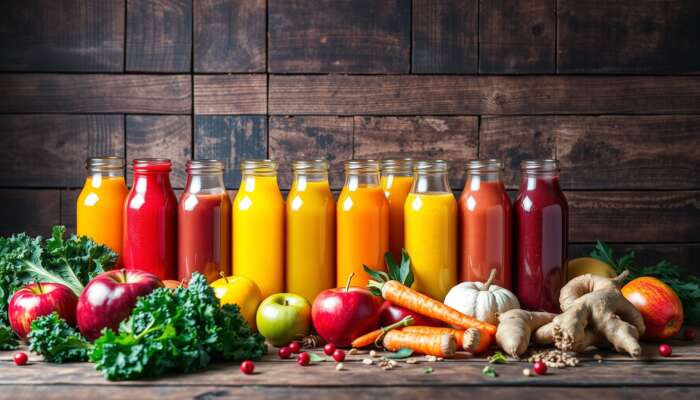
The visual allure of colorful juices can also attract those who may find it challenging to enjoy whole fruits and vegetables. The variety of flavors available encourages creativity in the kitchen, making juicing not just a health-focused practice but also an enjoyable culinary adventure.

Essential Equipment for Successful Juicing
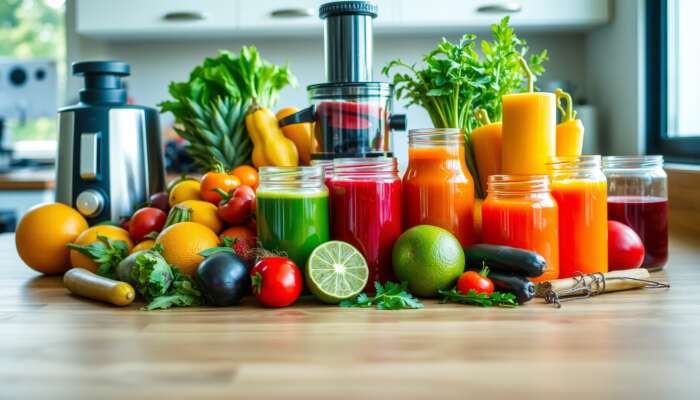
To begin your juicing adventure, having the right equipment is key. The most important item on your list is a juicer, available in various styles, each suited to different juicing preferences and techniques. The two main categories are centrifugal juicers and masticating juicers. Centrifugal juicers operate at high speeds, yielding juice quickly and are perfect for novices seeking convenience. Conversely, masticating juicers function at slower speeds, preserving more nutrients and enzymes, making them the preferred option for health enthusiasts committed to maximizing their juice’s nutritional value.
Other essential tools include cutting boards and knives for preparation, as well as airtight containers for storing your juice. Additionally, choosing high-quality produce is crucial; opting for organic fruits and vegetables can significantly boost the nutrient density of your juices. By ensuring you possess the right tools and ingredients, you lay the groundwork for a successful juicing experience that prioritizes health without compromising on flavor.
How to Select the Best Ingredients for Juicing
What Are the Top Fruits for Juicing?
Selecting the right fruits is vital for creating delicious and nutritious juices. Choose naturally sweet fruits as they elevate the flavor profile of your juice while delivering essential vitamins. For example, apples are versatile and add a delightful sweetness, while oranges provide a refreshing jolt of vitamin C. Berries such as strawberries and blueberries are also packed with antioxidants, making them excellent choices for juicing.
As you start your juicing journey, consider blending sweeter fruits with tangy or tart varieties to create complex flavor profiles. For instance, combining sweet apples with zesty lemons can result in a refreshing beverage that tantalizes your taste buds. Embrace experimentation; you may uncover unique combinations that you truly enjoy. The vibrant colors and diverse flavors of fruits not only make juicing exciting but also guarantee a wide range of nutrients.
- Apples
- Oranges
- Strawberries
- Grapes
- Pineapples
- Watermelons
As you gain confidence, don’t hesitate to explore exotic fruits like mangoes or dragon fruit, which can add tropical notes and expand your palate.
What Vegetables Should You Incorporate into Your Juices?
Vegetables form the foundation of any well-balanced juice. Leafy greens like spinach and kale should be prominent in your juicing selections due to their high nutrient content and low-calorie profile. They provide essential vitamins like A, C, and K, along with a wealth of antioxidants. Root vegetables such as carrots and beets also deserve a place in your juicing routine, as they add natural sweetness and vibrant color, not to mention their rich nutritional benefits.
Incorporating a variety of vegetables ensures a broader spectrum of nutrients in your juice. For example, adding cucumbers can enhance hydration, while celery provides a refreshing crunch. A well-rounded juice typically includes a mix of leafy greens, root vegetables, and perhaps some cruciferous options like broccoli or cabbage for added health advantages.
- Spinach
- Kale
- Carrots
- Beets
- Cucumbers
- Celery
Trying out different vegetable combinations can lead to delightful discoveries and keep your juices from becoming monotonous.
How to Balance Flavors and Nutrients in Your Juices?
Achieving the perfect balance of flavors and nutrients in your juicing endeavors is crucial for both taste and health benefits. The secret lies in combining sweet fruits with earthy vegetables, creating a harmonious blend. For example, pairing sweet apples with the bitterness of kale not only provides a satisfying flavor contrast but also guarantees a nutrient-dense juice.
When crafting your juice, consider the overall flavor balance. A juice that is too sweet can be brightened with a splash of lemon or lime for acidity, enhancing the overall taste. Adding ginger or cayenne pepper can introduce a hint of spiciness, elevating the juice and providing additional health benefits, such as anti-inflammatory properties.
Don’t forget, the visual appeal of your juice can also enhance your drinking experience. Mixing a variety of colors not only excites the palate but also ensures a diverse intake of nutrients. The more colorful your juice, the wider the range of phytonutrients you’ll consume.
- Combine sweet fruits with leafy greens
- Add citrus for brightness
- Incorporate spices for complexity
- Vary textures for mouthfeel
Experimentation is encouraged to find the ideal balance that aligns with your taste preferences while maximizing health benefits.
How to Enhance Your Juices with Herbs and Spices?
Incorporating herbs and spices into your juice can dramatically improve both flavor and health benefits. Fresh herbs like mint or basil can add a refreshing twist, enhancing the overall drinking experience. For instance, a simple juice made from cucumber and mint is not only invigorating but also especially refreshing on a hot day.
Spices such as ginger and turmeric are renowned for their anti-inflammatory properties and can impart a warm, zesty note to your beverage. A small piece of fresh ginger can transform an ordinary juice into a health-boosting elixir, while turmeric adds a beautiful golden color along with numerous health benefits, including antioxidant and anti-inflammatory effects.
When experimenting with herbs and spices, begin with small amounts and gradually increase to find the flavor balance that suits your palate. The goal is to enhance your juice without overwhelming the main ingredients.
- Mint for a refreshing lift
- Basil for a savory twist
- Ginger for warmth and spice
- Turmeric for color and health benefits
Exploring various combinations of herbs and spices can lead to surprising flavor profiles that not only excite your taste buds but also augment the nutritional value of your juices.

How to Consider Dietary Restrictions and Allergies When Juicing?
When selecting ingredients for your juice, it’s crucial to be conscious of dietary restrictions and common allergens. This awareness ensures that your juice can be enjoyed by everyone, regardless of their dietary needs. For instance, if you are preparing juices for a group, avoid common allergens such as citrus, which may cause reactions in sensitive individuals.
Choosing hypoallergenic fruits and vegetables, like apples, pears, and cucumbers, can provide safe and delicious alternatives. Additionally, being mindful of specific dietary preferences, such as vegan or gluten-free, can guide your ingredient choices.
Understanding your audience allows you to tailor your juices to ensure inclusivity. Remember that the introduction of new ingredients should be gradual, allowing individuals to observe any adverse reactions.
- Select hypoallergenic fruits
- Avoid common allergens
- Consider vegan options
- Accommodate dietary preferences
By being considerate of dietary restrictions, you not only promote health and wellness but also create an enjoyable experience for everyone involved in your juicing journey.
Expert Guidance on Juicing: Getting Started
Real-Life Success Stories in Juicing
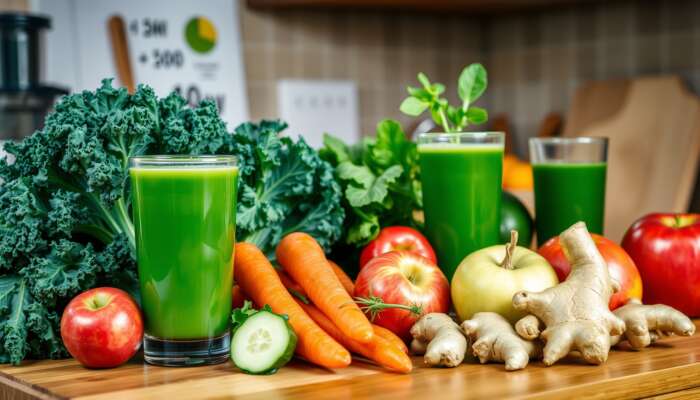
Real-world examples of successful juicing can be incredibly motivating for anyone starting their journey. Consider the story of a group of friends who embarked on a month-long juicing challenge. They documented their experiences, showcasing the positive changes they noticed in their energy levels, digestion, and overall wellness. Their favorite concoction—a blend of green apples, kale, and ginger—became a staple, demonstrating how experimentation can lead to both delicious and healthful outcomes.
These inspiring narratives illustrate not only the potential benefits of juicing but also the fun and camaraderie that can come from sharing recipes and experiences with others.
- Boost in energy levels
- Improved digestion
- Enhanced skin health
- Weight management support
Such stories highlight that juicing is not just a fleeting health trend; it can be a transformative lifestyle choice that fosters community, creativity, and personal development.
Essential Steps for Juicing Beginners
Initiating your juicing journey can feel daunting, but following clear and actionable steps can help you navigate this new endeavor with confidence. First, invest in a reliable juicer that suits your needs, whether it’s a centrifugal or masticating model. Next, compile a list of your favorite fruits and vegetables, focusing on a mix of flavors and colors for an exciting experience.
Begin with simple recipes; for example, a classic green juice made from spinach, cucumber, and green apple serves as an excellent introduction. As you gain confidence, experiment by adding herbs and spices to elevate your juices and enhance their health benefits.
- Invest in a quality juicer
- Select your favorite fruits and vegetables
- Start with simple recipes
- Gradually experiment with herbs and spices
With each step, you’ll find your rhythm in the kitchen, and juicing will evolve into an enjoyable part of your daily routine.
Analyzing Current Trends in Juicing
Staying informed about the latest juicing trends can significantly enhance your experience. Presently, cold-pressed juices are gaining traction for their superior nutrient retention compared to traditional juicing methods. Many health enthusiasts are also embracing functional juices, which incorporate ingredients targeting specific health benefits, such as enhancing immunity or providing anti-inflammatory effects.
Another notable trend is the rise of juice cleanses, where individuals consume only juice for a certain period, aiming to detoxify their bodies. Although this approach may not suit everyone, these cleanses can inspire creativity in juice recipes and encourage the incorporation of diverse ingredients.
By understanding these trends, you can make informed choices and stay current with what’s popular and effective in the realm of juicing.
Highlighting the Health Advantages of Juicing
The health benefits of juicing are vast and can serve as a compelling reason to integrate it into your daily routine. Regular juicing can significantly enhance your nutrient intake, providing vital vitamins and minerals that support a robust immune system. Moreover, it can improve digestion through the inclusion of fiber-rich vegetables and fruits, promoting overall gut health.
Juicing can also improve hydration, as many juices consist of ingredients with high water content. Consequently, you may experience enhanced energy levels and overall vitality. The antioxidant properties found in various fruits and vegetables contribute to reduced inflammation and improved skin health.
- Boosted nutrient intake
- Improved digestion
- Enhanced hydration
- Increased energy levels
Embracing the health benefits of juicing can be a powerful motivator, inspiring you to explore new flavors and combinations while nurturing your body from the inside out.
What Are the Significant Health Benefits of Juicing?
How Can Juicing Transform Your Health?
Juicing can greatly improve your health by providing a concentrated source of essential nutrients. Regularly consuming freshly pressed juice can enhance your immune system due to the influx of vitamins and minerals that bolster your body’s defenses. For instance, juices rich in vitamin C, such as those made from oranges or kiwifruit, directly support immune function, while leafy green juices are loaded with antioxidants that counteract oxidative stress.
Additionally, juicing supports digestion and detoxification. The high concentration of enzymes in fresh juices facilitates food breakdown, promoting smoother digestion. Ingredients like ginger and lemon not only enhance flavor but also contribute to digestive health. By incorporating juicing into your lifestyle, you can experience improved overall wellness and vitality.
Can Juicing Aid in Weight Loss?
Juicing can be an effective ally in weight loss endeavors. Many juices are low in calories while being rich in essential nutrients, allowing you to feel full without overeating. Juicing can also promote satiety due to the high water content of fruits and vegetables, helping to curb cravings.
However, for effective weight loss, juicing should complement a balanced diet and regular physical activity. Including juices packed with leafy greens and low-sugar fruits can provide the necessary nutrients while aiding in weight management. The key is to view juicing as a tool rather than a standalone strategy, ensuring a holistic approach to health and wellness.
What Nutrients Can You Obtain from Juicing?
Juicing can supply you with a diverse range of vitamins and minerals. Leafy greens like spinach and kale are excellent sources of vitamins A, C, and K, along with crucial minerals like iron and calcium. Fruits such as oranges and pomegranates are rich in vitamin C and antioxidants, which are vital for skin health and immune function.
Root vegetables like carrots offer beta-carotene, a precursor to vitamin A, while beets provide nitrates that can enhance blood flow and lower blood pressure. By varying your juice ingredients, you can ensure a well-rounded nutrient intake, making juicing a potent addition to your dietary regimen.
Practical Tips for Effective Juicing
How to Properly Prepare Your Ingredients for Juicing?
Thorough preparation of your ingredients is crucial for a successful juicing experience. Begin by washing your fruits and vegetables thoroughly to eliminate dirt, pesticides, and potential contaminants. For leafy greens, give them a gentle rinse in cool water and dry them with a clean cloth or a salad spinner.
Next, cutting your produce into manageable sizes will streamline the juicing process. For hard fruits and vegetables, like apples and carrots, cutting them into quarters or smaller pieces will facilitate easier juicing. It’s also wise to remove any seeds or pits, as these can negatively impact the taste and efficiency of the juicer.
To extend the freshness of your ingredients, store them correctly. Unpeeled fruits and vegetables should be kept in the refrigerator, ideally in a crisper drawer, while some items like apples and citrus may last longer at room temperature. By ensuring your ingredients are well-prepped, you create the foundation for a seamless and enjoyable juicing process.

Best Practices to Maximize Your Juicing Experience
Adhering to best practices can significantly elevate your juicing experience. First and foremost, always select the freshest produce available, as it typically contains the highest nutrient content and flavor. When choosing ingredients, aim for organic options whenever feasible to avoid pesticide residues and maximize health benefits.
Thoroughly cleaning your juicer after each use is essential for maintaining its longevity and ensuring you produce the best-tasting juice possible. Additionally, familiarize yourself with the specific cleaning instructions for your particular juicer model.
To optimize the nutritional value of your juice, consume it immediately after preparation, as exposure to air can lead to nutrient degradation. If you need to store your juice, use an airtight container and refrigerate it to help preserve its freshness.
Effective Storage and Consumption of Your Juice
Proper storage of your juice is vital to maintain its nutritional value and flavor. Ideally, freshly made juice should be consumed immediately to enjoy the maximum health benefits. However, if you must store it, do so in an airtight container to minimize air exposure and prevent oxidation.
When refrigerating your juice, opt for glass containers whenever possible, as they are less reactive than plastic and can help retain the juice’s quality. Ideally, consume your juice within 24–48 hours, but the sooner, the better, to ensure optimal taste and nutrient retention.
Consider portioning your juice into single servings to avoid repeatedly opening the same container, which can introduce air and bacteria, compromising the quality. By adhering to these storage tips, you can savor your juices at their freshest.
Avoiding Common Mistakes in Juicing
Avoid Overloading Your Juicer
One common mistake novice juicers often make is overloading their juicer. This can lead to inefficient extraction and potential damage to the machine. To prevent this, always follow the manufacturer’s guidelines regarding the quantity and type of produce that can be processed in a single batch.
Taking breaks between juicing sessions can help prevent mechanical strain. If you’re working with high-fiber ingredients like kale or carrots, be sure to feed them into the juicer gradually to avoid clogging. By understanding your juicer’s limitations, you can ensure a smoother juicing experience and extend the lifespan of your equipment.
Don’t Neglect Your Fiber Intake
Juicing, while nutritious, often removes the fiber from fruits and vegetables, which is essential for digestive health. Although it may be tempting to rely solely on juice for nourishment, it’s crucial to balance your diet with whole foods that provide fiber. Fiber aids in digestion, helps regulate blood sugar, and supports heart health.
Incorporating whole fruits and vegetables into your meals alongside your juices ensures you receive the benefits of both juice and fiber. Consider using the pulp leftover from juicing in recipes such as smoothies, soups, or baked goods to minimize waste and enhance your fiber intake.
Embrace the Importance of Variety in Your Juicing
Diversity is key to achieving a well-rounded nutrient profile, and many juicers fall into the habit of relying on the same ingredients. Consistently using the same fruits and vegetables can limit your nutrient intake and lead to flavor fatigue.
To elevate both nutrition and taste, experiment with a wide array of ingredients. Explore seasonal produce, which not only supports local farmers but also introduces you to new flavors and nutrients. Challenge yourself to try at least one new ingredient each week, whether it’s a new fruit, vegetable, or herb. By embracing variety, you keep your juices exciting and healthful.
Frequently Asked Questions about Juicing
What is the Optimal Time to Drink Juice?
The best time to drink juice is in the morning on an empty stomach. This practice allows for maximum nutrient absorption and can kickstart your metabolism for the day ahead.
Can I Use Frozen Fruits for Juicing?
Yes, frozen fruits can be utilized for juicing. They can add a refreshing chill to your juice, though they may result in a slightly different texture compared to fresh options.
How Long Does Freshly Juiced Juice Last?
Freshly juiced juice is best consumed immediately; however, it can last in the refrigerator for up to 48 hours if stored in an airtight container.
Is Juicing the Same as Making Smoothies?
No, juicing extracts the liquid from fruits and vegetables, removing the fiber, while smoothies retain the whole fruit and vegetable, including the fiber content.
Can I Juice Leafy Greens?
Absolutely! Leafy greens like spinach and kale are fantastic for juicing and offer numerous health benefits.
How Can I Enhance the Flavor of My Juice?
To improve the taste of your juice, consider adding citrus fruits, herbs like mint or basil, or a splash of ginger for an added zing.
Is It Better to Juice or Eat Whole Fruits and Vegetables?
Both methods have their unique benefits. Juicing provides concentrated nutrients, while consuming whole fruits and vegetables offers fiber, which is crucial for digestion.
Can Juicing Aid in Detoxification?
Yes, juicing can support the body’s natural detoxification processes by supplying nutrients that assist in liver function and digestion.
What Juicer Is Recommended for Beginners?
For beginners, a centrifugal juicer is often suggested due to its ease of use and quick juicing capabilities, making it an accessible choice for new juicers.
How Often Should I Juice?
The frequency of juicing varies based on individual goals. Many people incorporate juice into their daily routine, while others may opt to juice a few times a week for an additional nutrient boost.



I really appreciate your exploration of juicing and its simplicity. It’s true that juicing can make incorporating a variety of fruits and vegetables into our diets so much easier, especially for people who may struggle with eating whole produce. I started juicing a few months ago and have noticed a significant increase in my energy levels. It’s fascinating how these nutrient-dense beverages can transform our relationship with food.
It’s great to hear about your positive experience with juicing. Many people find that juicing offers a practical way to boost their intake of fruits and vegetables, especially when whole produce can sometimes feel overwhelming. You mentioned noticing a significant increase in your energy levels, which is often a common response. The vitamins and minerals in fresh juices can absorb quickly into the bloodstream, providing an immediate energy boost, unlike some heavier foods that can leave you feeling sluggish.
I really appreciate your exploration of juicing and its numerous health benefits. Over the past year, I’ve incorporated juicing into my routine, and I’ve found that the process not only helps me consume more fruits and vegetables but also makes it a fun experiment in the kitchen.
It’s great to hear that you’ve made juicing part of your routine. It’s fascinating how blending flavors and experimenting can turn the kitchen into a mini-laboratory. Have you tried mixing different greens with fruits? Spinach or kale can really elevate the sweetness of a juice without overpowering it. Plus, adding a bit of ginger or turmeric can not only enhance the taste but also boost the health benefits. What combos have you enjoyed the most? It’s always interesting to see what works for different taste buds.
Ah, the fascinating world of juicing—where fruits and vegetables lose their identities and become a vibrant, splashy elixir of health. I must admit, juicing has a magical ability to make me feel like a health guru, even if my idea of a five-a-day typically includes a handful of gummy bears. But there’s something so appealing about transforming a kale leaf, a carrot, and a lemon wedge into a liquid concoction that somehow tastes like sunshine itself.
Isn’t it wild how juicing can make us feel like we’ve unlocked some secret to wellness? It’s true that turning a humble kale leaf into something that tastes like sunshine adds a touch of magic to our daily routines. I’ve had similar moments where I felt like I was channeling my inner health guru, basking in the glow of my homemade juice while secretly eyeing the bag of gummy bears in the pantry.
Your exploration of juicing as a means to enhance our fruit and vegetable intake raises some interesting and nuanced points about the broader implications of dietary choices in today’s health-conscious society. While I certainly appreciate the convenience and taste that juicing provides—especially for busy individuals who struggle to include the recommended servings of produce in their diets—I can’t help but ponder the long-term impact of this practice on our relationship with whole foods.
Your reflection on juicing and the implications for our relationship with whole foods hits on a vital aspect of modern diets that often gets overlooked. Juicing opens up a world of convenience and introduces flavors that can be a gateway for people who might otherwise shy away from fruits and vegetables. However, it’s essential to consider how this practice shapes our dietary habits in the long run.
Your point about the long-term relationship we have with whole foods versus juicing is really thought-provoking. Juicing does offer that quick boost of nutrients and can serve as a gateway for people to start thinking more about their fruit and veggie intake. But I totally get your concern about relying too heavily on juices.
You raise some really important points about juicing and its role in our diets. It’s true that convenience and taste are major factors that make juicing appealing for busy people. However, I think the relationship we have with whole foods is an essential piece of this conversation.
You bring up a really important point about juicing and its influence on our relationship with whole foods. It’s easy to get caught up in the convenience of juicing—especially in a fast-paced world where we want to make healthier choices without spending too much time.
You bring up a really important point about juicing and its influence on our relationship with whole foods. I often find myself torn between the convenience of a quick juice and the satisfaction of biting into a crisp apple or tossing together a vibrant salad. There’s something very grounding about whole foods that a juice just can’t replicate.
You’ve really touched on something that resonates deeply with many of us navigating our busy lives. The lure of juicing—its convenience in a fast-paced world—is hard to ignore. We’re often looking for quick fixes or ways to maintain energy and health without adding more to our already packed schedules. It’s like the perfect little trick to sneak in some nutrients while we’re on the go.
I really appreciate your exploration of juicing and its multifaceted benefits. It’s fascinating how such a simple act can deliver a concentrated burst of nutrition. I started my own juicing journey a couple of years ago, and I’ve found that not only does it make it easier to reach my daily fruit and veggie quota, but it also opens up a world of flavor combinations I’d never considered. For instance, mixing greens like kale or spinach with sweeter fruits like apples or pears creates a delicious balance that’s both refreshing and energizing.
Juicing really is a magical concoction, isn’t it? It’s like giving fruits and veggies a spa day before they dive into our smoothies! I’ve found that my morning juice has become a sort of nutritious potion—one minute I’m chugging down a rainbow of kale, carrots, and apples, and the next I’m ready to take on the world… or at least a challenging crossword puzzle.
Juicing really does feel like a little ceremony, doesn’t it? I love how you described it as giving fruits and veggies a spa day—that’s such a fun way to put it. There’s something about watching the colors swirl and mix that feels almost magical in itself. I’ve found that my version of your “nutritious potion” tends to change with the seasons. In the colder months, I gravitate towards warming ingredients like ginger and beets, while in the summer, I’m all about fresh berries and citrus to brighten up my mornings.
Juicing has indeed become a fascinating way to elevate our health and wellness journeys! I remember my own initial experiences with juicing were purely experimentational; I was curious about how different combinations of fruits and veggies could transform not just my diet, but my overall well-being. The first time I tried a green juice with kale, apples, and ginger, I was pleasantly surprised by how refreshing it was, and it really opened my eyes to the variety of flavors and health benefits that can come from simple produce.
It’s interesting how juicing opens up a whole new world of flavors, isn’t it? I had a similar experience when I first tried combining beets, carrots, and a splash of citrus. The vibrant color alone was enough to get me excited. But what struck me most was how those combinations made me feel—energized and ready to tackle the day.
I really appreciate your insights on juicing and its simplicity. It’s interesting how this practice not only enhances our nutrient intake but also encourages us to be more creative with our produce choices. I’ve found that experimenting with different flavor combinations can make nutrition feel less like a chore and more like a delightful adventure. For instance, adding a bit of ginger or turmeric can elevate the health benefits significantly while providing a nice kick.
It’s great to hear how you’re finding joy in juicing. Experimenting with flavors truly can turn a routine into something exciting. Ginger and turmeric are such powerful additions; they not only boost the nutritional profile but also add warmth and earthiness to your creations.
I completely agree with you on how juicing can transform the way we interact with our food. It really does encourage more creativity, making it an enjoyable process instead of just a task. I’ve been experimenting with different herbs lately, and I find that adding fresh mint or basil gives my juices a refreshing twist. It’s amazing how just a handful of herbs can elevate the flavor profile so dramatically.
I appreciate your insights on juicing and its potential to simplify our intake of essential nutrients. It’s fascinating how this process can transform whole fruits and vegetables into easily consumable forms, particularly for those who might struggle to incorporate the recommended daily servings into their diets.
Juicing really does open up a whole new world for those trying to incorporate more fruits and vegetables into their diets. I started juicing about a year ago, and I’ve found it not only helps me get my daily servings in, but it’s also been a fun experiment with different flavor combinations. For instance, mixing spinach with pineapple and ginger creates such a refreshing drink that I never thought I’d enjoy greens this way.
I resonate deeply with your exploration of juicing and its benefits! It’s fascinating how juicing can transform our relationship with fruits and vegetables. Personally, I’ve found that incorporating a daily juice not only boosts my nutrient intake but also introduces me to exciting flavor combinations that I might overlook in solid form. For instance, a simple blend of beet, carrot, and ginger has become my go-to, energizing me for the day ahead.
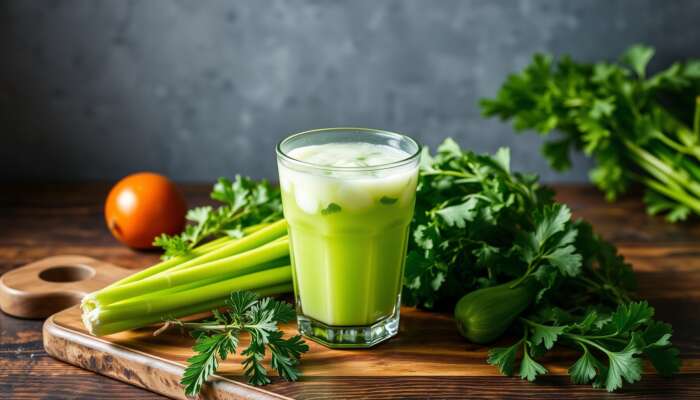
Ah, juicing! The art of turning greenery into a fancy drink that usually costs more than my mortgage. I’ve been on this juice train for a while, and let me tell you, trying to down a kale-celery combo at 8 AM feels like sipping on someone’s garden misfortune. But hey, once you find that perfect mix—like a sneaky apple or a dash of ginger—it’s like liquid gold!
Juicing can feel like a culinary adventure, can’t it? That kale-celery combo has its own personality; I appreciate your honesty about it tasting like the aftermath of a gardening mishap. There’s something a bit daunting about those dark leafy greens early in the morning. It’s almost as if they mock you while you’re still half asleep.
It really can feel like a culinary adventure, can’t it? I’ve had my fair share of green juice experiments, and that kale-celery combo definitely has a unique personality. It’s funny how certain ingredients can evoke such strong reactions. I remember one morning, groggy and not quite ready to face the day, I took a sip and nearly grimaced at the taste. It’s like those leafy greens have a way of reminding us of their earthy roots—literally.
It really is an adventure, isn’t it? That morning half-asleep sip can catch you off guard, especially with those bold greens. The initial reaction to something like kale or celery really can be a rite of passage in the green juice world. Those ingredients don’t hold back— they remind you they’re packed with nutrients and not just there to taste good.
I love how you highlighted the simplicity and health benefits of juicing! I recently started incorporating fresh juices into my routine and have noticed a huge difference in my energy levels. It’s amazing how just a few ingredients can pack such a nutritional punch. One of my favorites is a blend of spinach, apple, and ginger—it’s refreshing and gives me a nice boost in the morning.
It’s great to hear about your experience with juicing. The way fresh ingredients can transform how we feel is really fascinating. Your blend of spinach, apple, and ginger sounds delicious and energizing—it’s wonderful how each ingredient serves a purpose. Spinach is such a powerhouse, packed with iron and vitamins, while the apple adds a nice sweetness and fiber. Ginger not only gives that zing but also has amazing anti-inflammatory properties.
I really appreciate how you’ve broken down the basics of juicing and emphasized its role in boosting our health. Juicing has definitely become a part of my lifestyle lately, and I’ve found that it’s not just a trend but a simple yet effective way to enrich my diet.
It’s interesting to hear you say that juicing has become a part of your lifestyle. Many people go into it thinking it’s just another health fad, but as you’ve discovered, it can genuinely enhance your diet if approached thoughtfully.
You’ve touched on an interesting aspect of juicing that often gets overlooked—the balance between convenience and the whole food experience. While juicing can indeed provide a quick way to consume high doses of nutrients, I sometimes wonder about the implications of extracting juice versus eating whole fruits and vegetables. For instance, the fiber content is significantly reduced in juices, which plays a crucial role in digestion and satiety.
You make a solid point about the balance between convenience and that whole food experience. Juicing does give us a quick nutrient boost, but you’re right to highlight the fiber loss. Fiber isn’t just about digestion; it helps keep us full and can play a role in stabilizing our blood sugar levels too.
Your exploration of juicing touches on an interesting point about the consumption of fruits and vegetables. However, it seems essential to consider the potential downsides alongside the benefits. For instance, while juicing can aid in increasing vitamin intake, it often removes fiber, which plays a crucial role in digestion and satiety.
Juicing really does feel like magic, doesn’t it? I started juicing about a year ago, and it transformed my mornings. It’s wild how a simple mix of kale, apple, and ginger can turn into a vibrant drink that feels refreshing and energizing. I love how it makes hitting those daily fruit and veggie goals feel less like a chore.
Your exploration of juicing really resonates with me, especially the emphasis on its potential to make consuming fruits and vegetables more enjoyable. I’ve found that when I incorporate fresh juices into my routine, it not only helps me increase my nutrient intake but also stimulates my creativity in the kitchen. For example, I love experimenting with combinations like beet, carrot, and ginger, which not only taste great but also provide a vibrant boost of energy.
It’s great to hear that juicing has become a lovely part of your routine. It’s fascinating how something as simple as blending fruits and veggies can really shift our approach to nutrition, isn’t it? The way you describe your experience with fresh juices makes it clear that they’re not just a means to an end but a source of inspiration as well.
Your exploration of juicing touches on an essential aspect of modern health consciousness, especially as people seek ways to integrate more fruits and vegetables into their diets. While I appreciate the emphasis on the health benefits and the accessibility of this practice, I can’t help but reflect on some of the nuances that often get overlooked in conversations about juicing.
Juicing certainly opens up a vibrant world of flavor and nutrition, and it’s fascinating to consider how it can fit into a variety of lifestyles. I’ve found that incorporating juice into my routine not only increases my fruit and vegetable intake but also strengthens my commitment to a healthier diet overall.