


Essential Guidelines for Juicing to Combat Aging
Which Ingredients Are Optimal for Anti-Aging Juices?
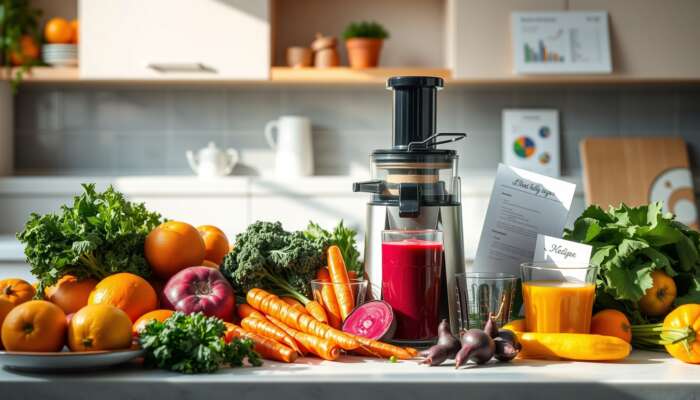
Choosing the right fruits and vegetables is fundamental to crafting effective anti-aging juices. Prioritize ingredients that are abundant in antioxidants, vitamins, and minerals known to enhance skin vitality and overall well-being. By integrating these nutritious components into your juicing regimen, you can significantly boost its capacity to fight the visible signs of aging. Below is a curated list of essential ingredients that are particularly effective for anti-aging juicing:
- Spinach – Loaded with vitamins A, C, and K, spinach helps improve skin elasticity and overall skin health.
- Carrots – High in beta-carotene, carrots contribute to skin hydration and luminosity.
- Beets – Rich in antioxidants, beets promote healthy blood circulation and aid in detoxification processes.
- Blueberries – These tiny powerhouses are abundant in antioxidants, effectively fighting free radicals responsible for skin aging.
- Ginger – Renowned for its anti-inflammatory properties, ginger increases blood flow, benefiting skin health.
- Turmeric – This spice contains curcumin, which is celebrated for its robust anti-aging effects.
- Pineapple – Packed with bromelain, pineapple supports digestion and skin renewal.
- Cucumber – A hydrating low-calorie option, cucumbers are fantastic for maintaining skin moisture.
Utilizing a diverse array of these ingredients not only enhances the flavor profile of your juices but also maximizes their nutritional benefits related to anti-aging, ensuring you receive the full spectrum of health-enhancing properties.

What Are the Best Practices for Preparing Your Juicing Ingredients?
Proper preparation of your juicing ingredients is vital for optimizing nutrient extraction, ensuring you derive the maximum health benefits from every batch. Start by thoroughly washing all your fruits and vegetables to eliminate any residual pesticides or dirt. This crucial step safeguards the juice’s integrity and protects you from harmful contaminants. Following the wash, think about how you will cut your produce; smaller pieces facilitate easier juicing and can significantly enhance extraction efficiency.
Additionally, proper storage of your produce is essential for maintaining freshness. Keep your fruits and vegetables in the refrigerator, preferably in a crisper drawer, which helps retain moisture and prevents spoilage. If you plan to prep ingredients ahead of time, store them in airtight containers to preserve their nutrients until you’re ready to juice. This meticulous preparation approach will ensure that your juices are as nutritious as possible when consumed.
What Equipment Is Essential for Effective Juicing?
A high-quality juicer is indispensable for your anti-aging juicing journey. There are primarily two types of juicers available: centrifugal and masticating. Centrifugal juicers operate quickly and are generally more affordable, but they may produce heat during the juicing process, potentially compromising the nutrient quality of the juice. In contrast, masticating juicers work at slower speeds, which helps preserve more nutrients and enzymes, making them a superior choice for those aiming to maximize health benefits.
When selecting a juicer, consider aspects such as ease of cleaning, size, and the variety of produce you intend to juice. A masticating juicer excels with leafy greens and fibrous vegetables, while a centrifugal juicer may be adequate for juicing softer fruits. Invest in a juicer that caters to your specific needs, empowering you to create an extensive range of anti-aging juices that align with your wellness goals.
How Frequently Should You Juice to Enhance Anti-Aging Outcomes?
Establishing a consistent juicing routine is essential for reaping optimal anti-aging benefits. Depending on your personal health objectives and lifestyle, aim to juice at least three to four times per week. This frequency allows your body to absorb essential nutrients consistently, fostering skin health and overall vitality.
For those seeking more pronounced results, consider integrating fresh juice into your daily routine. Drinking juice first thing in the morning, on an empty stomach, can significantly enhance nutrient absorption. However, it’s crucial to listen to your body; if daily juicing feels like too much, prioritize consistency over frequency and gradually increase your juicing habits as you become more comfortable with the practice.
What Strategies Optimize Your Juicing Practice?
To maximize the efficacy of your juicing routine, it’s important to understand the best practices that will help maintain the nutrient potency of your juices. Begin by juicing at times when your body is most receptive to nutrient absorption, such as in the morning. When combining ingredients, strive for a harmonious balance of flavors and nutrients—pairing sweet fruits with earthy vegetables can create delicious combinations that enhance both taste and health benefits.
Another vital practice is to consume your juice immediately after juicing. This ensures that you receive the highest concentration of nutrients possible. If you must store your juice, use airtight containers and refrigerate it, but aim to consume it within 24 hours to minimize nutrient degradation. By consistently adhering to these practices, you’ll unlock the full potential of your anti-aging juicing journey.
Professional Insights on Effective Juicing for Anti-Aging
What Techniques Are Recommended for Optimal Juicing?
Experts advocate for the use of cold-press juicing techniques to effectively preserve the nutrients and enzymes found in produce, thereby enhancing the health benefits of your juice. Cold-pressed juices are created using hydraulic pressure, which extracts juice without generating heat, helping to maintain the integrity of essential vitamins and antioxidants.
Real-world examples illustrate the growing popularity of cold-pressed juicing among health enthusiasts worldwide. Juice bars in major cities like New York and London have embraced this technique, offering a variety of nutrient-rich blends that cater to specific health concerns, including anti-aging. Consider experimenting with your own recipes, focusing on incorporating ingredients that are known for their anti-aging properties, to discover how these techniques can elevate your juicing experience.

How Can You Enhance Nutrient Retention in Your Juices?
To maximize the benefits of your juice, it’s crucial to minimize oxidation and preserve freshness. Experts recommend consuming your juice immediately after preparation, as exposure to air can lead to nutrient degradation. If you need to store your juice for later, keep it in a tightly sealed glass container, filling it to the top to restrict air exposure.
An effective method for maximizing nutrient retention involves using a masticating juicer, which operates at slower speeds and generates less heat during juicing. Additionally, consider adding a splash of lemon juice to your finished product, as its high vitamin C content can help preserve color and nutrients. By following these guidelines, you can ensure that your juices deliver maximum potential for anti-aging benefits.
What Common Mistakes Should Be Avoided in Juicing?
Avoiding common pitfalls in your juicing routine is essential for achieving the desired anti-aging effects. A significant mistake is incorporating an excessive amount of fruit into your juices, which can lead to elevated sugar levels that negate the health benefits. Instead, strive for a balanced mix of vegetables and fruits to control sugar intake while maximizing nutrient content.
Another frequent error is neglecting to wash your ingredients thoroughly. Residual pesticides can diminish your juice’s health benefits. Always prioritize washing your produce before use to ensure that your juice is as clean and nutritious as possible. By steering clear of these common mistakes, you can establish a juicing routine that effectively supports your anti-aging goals.
Which Ingredients Are Most Effective for Anti-Aging Juices?
Experts recommend including ingredients that are recognized for their anti-aging benefits, such as turmeric, ginger, and leafy greens. Turmeric contains curcumin, which has powerful anti-inflammatory properties, making it ideal for enhancing skin health. Ginger boosts circulation and has anti-inflammatory effects, contributing to overall vitality. Leafy greens like spinach and kale are nutrient-dense, providing essential vitamins and minerals crucial for maintaining youthful skin.
Consider these specific recipes that incorporate these potent ingredients for maximum benefits:
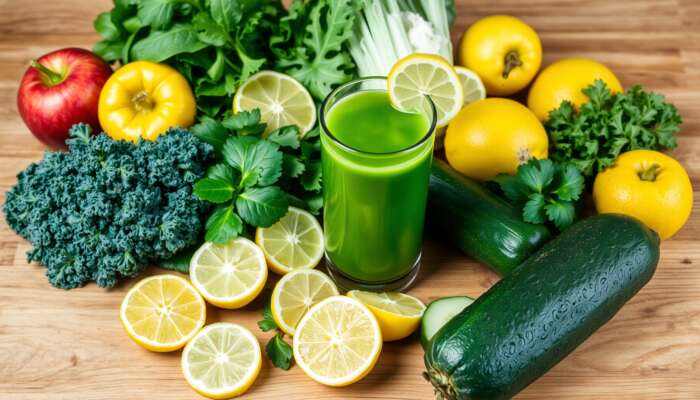
– Turmeric Ginger Green Juice: Blend spinach, cucumber, lemon, fresh ginger, and turmeric for a refreshing and anti-inflammatory boost.
– Beetroot and Berry Juice: Combine beets, blueberries, and apples for a delicious juice loaded with antioxidants.
– Citrus Green Detox: Use kale, parsley, lemon, and ginger to create a zesty juice that detoxifies while promoting skin health.
These combinations exemplify how integrating powerful ingredients can elevate your anti-aging juicing routine, providing you with the nutrients necessary for maintaining a youthful appearance.
How Frequently Should You Juice for Maximum Anti-Aging Benefits?
To optimize anti-aging benefits, adhere to expert recommendations regarding juicing frequency and timing. Daily juicing is often advised, especially in the morning, as it can help kickstart your metabolism and deliver essential nutrients for the day ahead. However, if daily juicing feels unmanageable, aim for a minimum of three times a week to reap the rewards.
In addition to frequency, consider the timing of your juice consumption. Drinking juice on an empty stomach enhances nutrient absorption, allowing your body to fully utilize the vitamins and minerals from your drink. By following these guidelines, you can refine your juicing routine and effectively gain the anti-aging benefits you desire.
What Advantages Does Juicing Offer for Anti-Aging?
In What Ways Does Juicing Enhance Skin Health?
Juicing can significantly improve skin health by supplying essential nutrients that enhance elasticity and reduce visible signs of aging. Ingredients such as carrots and spinach are rich in beta-carotene and vitamins A and C, which are crucial for maintaining healthy skin. Beta-carotene converts to vitamin A in the body, promoting cell turnover and skin repair.
Moreover, antioxidants present in juices, particularly those from berries and citrus fruits, combat free radicals that contribute to skin aging. These nutrients work synergistically to foster a youthful glow, minimize wrinkles, and improve overall skin texture. Regularly incorporating these juices into your diet can yield noticeable improvements in skin health over time, establishing juicing as an effective strategy for anti-aging.
Can Juicing Enhance Your Immune Function?
Certain juices are rich in immune-boosting nutrients that can help maintain your health and youthful appearance. For instance, citrus fruits like oranges and grapefruits are abundant in vitamin C, a powerful antioxidant that bolsters immune function. Juices containing ginger and turmeric also possess anti-inflammatory properties that can further enhance overall immunity.
Additionally, integrating leafy greens such as kale and spinach into your juices provides essential vitamins and minerals vital for strengthening the immune system. By regularly consuming these nutrient-dense juices, you can fortify your body’s defenses against illness, contributing not only to a youthful appearance but also to your overall health and well-being.
Does Juicing Contribute to Cellular Regeneration?
Juicing plays a pivotal role in supporting cellular health and regeneration, which are critical for combating aging. The nutrients found in fresh juices, including vitamins, minerals, and antioxidants, are instrumental in the processes of cellular repair and regeneration. For example, antioxidants help counteract oxidative stress, a primary factor in cellular aging, by neutralizing free radicals.
Furthermore, the hydrating properties of juices can facilitate the elimination of toxins from the body, creating an environment conducive to healthy cellular regeneration. By consistently incorporating nutrient-rich juices into your diet, you can cultivate an internal environment that supports cellular vitality, thereby promoting anti-aging at a fundamental level.
Evidence-Based Benefits of Juicing for Anti-Aging
What Research Reveals About Antioxidants in Juices?
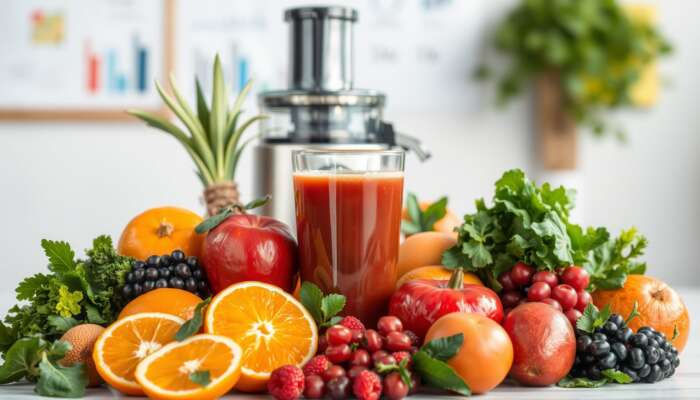
Research demonstrates that antioxidants present in juices can effectively combat free radicals, which are responsible for cellular damage and aging. Studies have highlighted that juices derived from dark berries, such as blueberries and blackberries, are particularly high in antioxidants. These compounds work by neutralizing free radicals, assisting in the prevention of oxidative stress on the body.
Expert analysis indicates that juices rich in antioxidants rank among the most effective for anti-aging. Crafting blends that emphasize these powerful ingredients can enhance your overall health and well-being, underscoring the pivotal role juicing can play in an anti-aging regimen.
How Do Phytonutrients Aid Anti-Aging Efforts?
Phytonutrients are crucial in anti-aging by providing protective benefits to the body. These compounds, found in a variety of fruits and vegetables, exhibit antioxidant, anti-inflammatory, and immune-boosting properties. For instance, flavonoids in citrus fruits can enhance cardiovascular health and mitigate inflammation, both vital for maintaining youthful vitality.
By understanding these specific compounds and their health advantages, you can tailor your juicing selections to align with your anti-aging objectives. Incorporating a diverse range of phytonutrient-rich ingredients into your juices can create a powerful synergy that not only elevates flavor but also maximizes health benefits.
Are There Long-Term Advantages to Juicing?
Long-term juicing can yield sustained anti-aging effects, as regular consumption of nutrient-dense juices bolsters overall health and wellness. Continuous intake of vitamins, minerals, and antioxidants contributes to enhanced skin health, improved immune function, and better cellular regeneration over time.
Moreover, establishing a consistent juicing routine can foster healthier dietary habits, leading to greater consumption of fruits and vegetables while reducing reliance on processed foods. This cumulative impact of juicing can help maintain youthful vitality and mitigate the effects of aging, illustrating the profound long-term benefits of integrating juicing into your lifestyle.
Strategies for Incorporating Juicing into Your Daily Life
When Is the Optimal Time for Juicing?
Timing your juicing can significantly amplify its benefits. The ideal time to consume juice is typically in the morning on an empty stomach, optimizing nutrient absorption and kickstarting your metabolism for the day ahead. Here are some suggested times for juicing to maximize its anti-aging effects:
- Morning – Begin your day with a nutrient-packed juice to energize and enhance health.
- Post-Workout – Replenish nutrients and hydrate your body after exercise.
- Afternoon Snack – Replace unhealthy snacks with a revitalizing juice.
- Pre-Dinner – Prepare your body for digestion with a light juice before meals.
Incorporating juicing into these strategic time slots can amplify its health benefits and promote a consistent routine that aligns with your anti-aging goals.
How Can You Establish a Juicing Habit?
Creating a juicing routine is crucial for long-term benefits. Begin by designating specific times for juicing that seamlessly fit into your daily schedule. Consider preparing your ingredients in advance, perhaps on weekends, to simplify the process during hectic weekdays.
Additionally, designate a specific area in your kitchen for your juicer and ingredients, making it easier to juice regularly. Keeping a journal to track your juicing journey, noting how different ingredients affect your health and well-being, can also be beneficial. These strategies will help solidify juicing as a sustainable habit that contributes positively to your anti-aging efforts.
Can Juicing Be Combined with Other Anti-Aging Strategies?
Juicing can effectively complement other anti-aging practices, creating a comprehensive approach to health. Consider integrating juicing with a balanced diet rich in whole foods, consistent exercise, and a dedicated skincare regimen. Combining these elements enhances overall well-being and can amplify the benefits of each practice.
For instance, pairing your juicing routine with daily physical activity can enhance circulation and metabolism, further supporting skin health. Similarly, maintaining a skincare routine that incorporates natural ingredients can amplify the effects of juicing, leading to a well-rounded anti-aging strategy that is both sustainable and effective.
What Types of Juices Are Most Beneficial for Anti-Aging?
Exploring the most beneficial fruits and vegetables for anti-aging juices involves understanding which nutrients are essential and how to combine them for maximum efficacy. Ingredients rich in antioxidants, vitamins, and minerals are key contributors.
Consider creating juices that blend leafy greens, such as kale and spinach, with fruits like apples and oranges. This combination offers a wealth of vitamins C and K, along with antioxidants that combat aging. Another excellent choice is a juice featuring beets, carrots, and ginger, which promotes skin health and overall vitality. By focusing on these nutrient-rich ingredients, you can craft delicious and effective anti-aging juices that nourish your body and elevate your health.

What Are the Best Practices for Storing Fresh Juices?
Learning how to effectively store and preserve your juices is vital for maintaining their nutritional value. Fresh juices are best consumed immediately; however, if storage is necessary, utilize airtight glass containers to minimize oxidation. Fill the containers to the top to limit air exposure, and store them in the refrigerator to ensure maximum freshness.
For longer-term storage options, consider freezing your juices in ice cube trays and then transferring the cubes to freezer bags. This method preserves the nutrients while allowing for convenient portioning later. Keep in mind that while freezing may slightly alter texture, the nutritional benefits will remain intact. Implementing these storage techniques will ensure your juices retain their health benefits, making them a reliable component of your anti-aging regimen.
Advanced Techniques for Anti-Aging Juicing
What Are the Benefits of Engaging in Juice Fasting?
Juice fasting can enhance anti-aging effects by providing your body with a break from solid foods while inundating it with essential nutrients. This practice can facilitate detoxification, allowing your body to expel toxins more efficiently while rejuvenating your cells.
During a juice fast, the intake of nutrient-rich juices supports hydration and revitalizes your system, potentially leading to improvements in skin health, energy levels, and overall vitality. However, it’s essential to approach juice fasting thoughtfully, ideally under the guidance of a healthcare professional, to ensure it aligns with your individual health needs and objectives.
How Can You Explore Different Juice Recipes?
Introducing variety into your juicing can significantly enhance its anti-aging benefits, as different fruits and vegetables provide unique nutrients. Start by experimenting with seasonal produce, as these options are often more flavorful and nutrient-dense.
Consider creating themed juices that focus on specific health benefits, such as detoxification or skin health. For example, a detox juice combining beets, lemon, and ginger can cleanse and rejuvenate, while a skin-boosting blend of carrots, oranges, and turmeric promotes a radiant complexion. Continuously exploring new recipes and combinations keeps your juicing routine dynamic and aligned with your anti-aging goals.
What Role Does Blending Play in Anti-Aging Nutrition?
Blending can serve as an alternative to juicing, offering distinct health benefits for anti-aging. While juicing extracts the liquid and nutrients from produce, blending retains fiber, which aids in digestion and provides prolonged energy. This can be particularly advantageous for individuals looking to maintain balanced blood sugar levels and support gut health.
To incorporate blending into your routine, consider creating smoothies that combine fruits, vegetables, nuts, and seeds. These nutrient-dense blends can support skin health while keeping you full for longer periods. Understanding when blending may be more beneficial allows you to diversify your nutrient intake and enhance your anti-aging efforts.
How Can You Maximize Nutrient Absorption from Juices?
To optimize the absorption of vital nutrients from your juices, focus on combining specific ingredients that work synergistically. For instance, pairing vitamin C-rich fruits, such as citrus, with iron-containing greens like spinach can significantly boost iron absorption.
Moreover, consuming healthy fats, such as avocado or chia seeds, alongside your juices can facilitate the absorption of fat-soluble vitamins A, D, E, and K. By understanding these complementary combinations and incorporating them into your juicing routine, you can enhance the anti-aging effects and overall health benefits of your juices.
Frequently Asked Questions
When Is the Optimal Time to Consume Juice for Anti-Aging?
The best time to drink juice for anti-aging is in the morning on an empty stomach, which maximizes nutrient absorption and activates your metabolism for the day ahead.
Can Juicing Aid in Weight Loss?
Yes, juicing can assist with weight loss when paired with a balanced diet, as it provides essential nutrients while reducing calorie intake from solid foods.
What Is the Shelf Life of Fresh Juice in the Refrigerator?
Fresh juice can be stored in the refrigerator for up to 24 hours. After that period, nutrient degradation begins, diminishing its health benefits.
Which Fruits Are Best for Juicing?
Fruits that are high in antioxidants, such as berries, citrus fruits, and apples, are excellent choices for juicing, as they provide numerous health benefits and enhance overall flavor.
Is Juicing or Blending More Beneficial for Fruits and Vegetables?
Juicing and blending both have unique advantages. Juicing extracts liquid and nutrients, while blending retains fiber, making both methods beneficial for different health objectives.
How Often Should I Juice to Achieve Optimal Results?
Juicing three to four times a week is recommended for optimal benefits. Daily juicing can be ideal if it fits into your lifestyle and health regimen.
Can I Use Frozen Fruits and Vegetables for Juicing?
Yes, you can utilize frozen fruits and vegetables for juicing. They can be just as nutritious as fresh produce and offer convenience.
What Indicators Suggest My Body Needs Additional Nutrients?
Signs that your body may require more nutrients include fatigue, dull skin, frequent illnesses, and slow recovery from injuries. Juicing can help address these nutritional deficiencies.
Is Juicing Safe for Individuals with Medical Conditions?
If you have a medical condition, consult with a healthcare professional before initiating a juicing regimen to ensure it aligns with your dietary requirements and health goals.
How Can I Improve the Flavor of My Juices?
Enhance your juices’ flavor by experimenting with herbs and spices, such as mint or ginger, and balancing sweet fruits with earthy vegetables to create delicious blends.



I appreciate the emphasis on nutrient-rich ingredients in your post. I’ve found that incorporating kale into my juices has also made a noticeable difference in my skin appearance. The combination of vitamins and antioxidants really does wonders! Additionally, the impact of hydration can’t be overlooked—I’ve started adding coconut water to my mixes for an extra boost. Hydration and nutrition truly go hand in hand for maintaining that youthful glow. I’m curious to know if you’ve experimented with any lesser-known ingredients or methods that have shown surprising benefits! It’s exciting to see how various foods can shape our health narrative, especially in a world increasingly focused on wellness.
It’s great to hear how incorporating kale and coconut water has positively impacted your skin. I’ve found that hydration really plays a crucial role in overall skin health, too—coconut water is such a refreshing choice. It’s interesting how simple changes in our diets can have such profound effects, isn’t it?
It’s great to hear how incorporating kale has enhanced your skin. The vitamins and antioxidants in leafy greens are fantastic for overall wellness, and they really create a vibrant base for juices. You’re spot on about hydration, too; coconut water is a refreshing addition that not only hydrates but also provides electrolytes.
This list of ingredients is a fantastic starting point for anyone looking to incorporate more anti-aging nutrients into their diet through juicing. I’ve personally found that blending spinach and carrots creates a vibrant, tasty juice that not only looks appealing but also feels rejuvenating. It’s fascinating how certain foods can have such a profound impact on our skin’s health and overall vitality.
I love how you highlight ingredients that not only taste great but also support skin health! I’ve recently started experimenting with adding ginger to my juices, and I find that it adds a nice kick while also promoting circulation. It’s fascinating how these natural ingredients can work together to enhance our well-being. Have you considered discussing any combinations or specific recipes using these ingredients? I think a citrus twist with oranges or lemons could really elevate the flavors and boost vitamin C content even more. Can’t wait to hear what others think about their favorite juicing blends!
It’s great to hear that you’re experimenting with ginger in your juices! It really does add a dynamic flavor and those circulation-boosting properties are such a bonus. Ginger’s warmth pairs nicely with citrus, creating a refreshing blend that can round out the flavor profile beautifully.
I completely agree with you about the power of natural ingredients like ginger! It really does add that extra kick, and it’s fascinating how it can enhance circulation and overall well-being. I’ve recently been playing around with juicing too, and a citrus twist sounds like a brilliant idea. Oranges and lemons not only offer that refreshing burst of flavor but their vitamin C content is such an added bonus for skin health and immune support.
I’m glad you’re enjoying the spotlight on those skin-loving ingredients! Ginger really does have that unique zing, and the added circulation boost is a nice bonus. It’s like a little wake-up call for your body in a glass.
I love how you’ve highlighted the power of specific ingredients for anti-aging juicing! I’ve recently been experimenting with adding ginger to my juices, and I’ve noticed a delightful zing and an added health boost. Ginger is known for its anti-inflammatory properties, which I think complements the antioxidant effects of ingredients like blueberries and beets wonderfully.
It’s great to hear you’re experimenting with ginger in your juices. The zing it adds can really elevate the flavor profile! I love how you pointed out ginger’s anti-inflammatory properties—it pairs so well with antioxidants like those found in blueberries and beets.
Ginger really is the spice of life, isn’t it? It’s like the quirky best friend of the juicing world—always adding that unexpected twist and keeping things interesting. Pairing it with those powerhouses like blueberries and beets is a solid strategy; your juice is basically throwing a party for your immune system.
Isn’t it interesting how we’re all on this quest to maintain our youthful glow while dealing with the inevitable march of time? I mean, who wouldn’t want skin that could win a staring contest with a peach? But let’s face it—juicing can sometimes feel like a science experiment gone wrong, especially when you’re trying to blend a rainbow of vegetables into something that resembles an actual beverage!
You’ve hit on something relatable for so many of us! The quest for that youthful glow really feels like an ongoing journey, doesn’t it? It’s almost as if we’re in a secret club where everyone’s trying to figure out the best formula for skin that can rival a peach’s perfection. The fun part is that there are so many paths to explore, from skincare routines to dietary tweaks.
I love the focus on ingredients like spinach and blueberries! I’ve found that when I mix in a little ginger or turmeric, it adds not only a nice kick but also anti-inflammatory benefits, which really complement that anti-aging theme. It’s fascinating how what we consume can have such a direct impact on our skin health. I’ve been trying to juice regularly, but I often struggle with consistency. Have any of you found tricks for making juicing part of your daily routine? It seems like a perfect way to incorporate so many nutrients at once! Plus, the color of these juices is always such a vibrant reminder of the goodness inside—definitely a mood booster!
I love how you highlighted the importance of ingredients in anti-aging juices! I’ve recently incorporated spinach and blueberries into my daily routine, and I’ve noticed a real difference in my skin’s brightness. It’s fascinating to see how these natural foods can have such a powerful impact.
I appreciate the thoughtful selection of ingredients you’ve highlighted for anti-aging juicing. It’s fascinating how these choices can significantly impact our skin’s health and overall vitality. Personally, I’ve found that adding ginger to the mix can provide not only a refreshing kick but also anti-inflammatory benefits that complement the antioxidants in the fruits and vegetables.
Ginger is an excellent addition to any juicing recipe, and you’re spot on about its anti-inflammatory properties. It packs a punch not just in taste, but also in the potential health benefits it brings. What’s interesting is how its spiciness can sometimes overwhelm the more delicate flavors of fruits and veggies, so striking that balance can be key.
It’s fascinating to see how juicing can play such a proactive role in our anti-aging efforts. I’ve personally found that incorporating specific fruits and vegetables into my daily routine has made a noticeable difference in my skin and overall health. For example, I’ve been using a lot of spinach and kale lately, not just for their nutrient density but also because they blend well with fruits like pineapple and apple, which adds a refreshing sweetness.
I appreciate your insights on the essential ingredients for anti-aging juices. I’ve been experimenting with different combinations myself and have found that adding beets not only gives a vibrant color but also offers incredible benefits due to their high nitrate content. They’re great for blood flow, which I think is crucial for a youthful glow!
I appreciate the emphasis on optimal ingredients for anti-aging juicing! It’s intriguing how much of a difference the right combination can make. I’ve been experimenting with adding beetroot to my juices lately—it not only adds a lovely color but also packs a punch in terms of antioxidants.
Your emphasis on choosing the right ingredients for anti-aging juices really resonates with me. I’ve found that incorporating ingredients like spinach and berries not only boosts skin health but also elevates overall vitality. In my experience, blending a mix of leafy greens with vibrant fruits creates a delicious balance that makes juicing enjoyable, rather than a chore.
It’s interesting to see how specific ingredients can have such a profound impact on aging. I wonder, though, how you reconcile the convenience of juicing with the potential loss of fiber in these nutrient-rich fruits and vegetables. While antioxidants and vitamins play a crucial role, fiber has its own benefits for digestive health and maintaining stable blood sugar levels.
I really enjoyed reading this post about juicing for anti-aging! It’s fascinating how something as simple as what we consume can have such a profound impact on our appearance and overall health. As I’ve gotten older, I’ve definitely become more aware of how nutrition plays a role in aging, and juicing has been an interesting journey for me.
I appreciate the emphasis on choosing the right ingredients for anti-aging juices; it truly makes a difference in our daily wellness routines. I’ve found that incorporating a variety of leafy greens, like kale and chard, along with antioxidant-rich berries not only enhances the flavor but also elevates the nutrient profile significantly.