


Exploring the World of Picky Eaters
Recognizing Common Picky Eating Patterns

Navigating the terrain of picky eating can often resemble a culinary battlefield. It is crucial to observe behaviors like food refusal, a limited range of accepted foods, and pronounced food preferences to gain insights into picky eating. For instance, you may notice a child or partner consistently gravitating towards a select few familiar foods while rejecting anything unfamiliar or vibrant in color. This behavior is not merely a fleeting phase; it represents a multifaceted interaction of taste, texture, and even an inherent fear of unfamiliar experiences.
Many individuals who are picky eaters respond strongly to specific textures—consider those who avoid anything perceived as slimy or mushy at all costs. This aversion can complicate the introduction of juices, where textural variations abound. Recognizing these tendencies is the foundational step toward resolving the issue. Keeping a food diary can be an enlightening endeavor. You may uncover significant patterns in the foods they reject versus those they embrace, which can inform a more personalized strategy for juicing for picky eaters.
In our exploration of picky eating, we must also acknowledge the cultural influences that may come into play. For instance, in regions such as Southeast Asia, where an abundance of fresh fruits exists, a child may display greater willingness to sample a sweet mango juice rather than a blend of green vegetables. Understanding local culinary traditions is vital in dismantling the barriers that picky eaters often encounter.
Understanding the Emotional and Psychological Factors of Picky Eating
Picky eating is not solely a matter of behavior; it frequently has deep emotional and psychological roots that significantly affect food choices. Anxiety regarding new experiences can impact an individual’s willingness to try different foods. For example, if a child has had a negative encounter with a particular food, it may lead to a long-lasting aversion. This response can extend far beyond mere dislike; it can cultivate an overall fear of exploring new foods. Additionally, external pressures to eat can exacerbate anxiety, transforming the act of dining into a burdensome task rather than an enjoyable activity.
Implementing strategies that address these psychological dimensions can be beneficial. For instance, introducing juicing for picky eaters in a stress-free environment can reduce anxiety. Allowing them to experiment with flavors in a playful, relaxed setting can foster a more open attitude toward trying new juices.
Social influences also play a significant role in shaping eating behaviors. Both children and adults can be influenced by their peers in their food choices. For example, at a juice-tasting event, a typically selective eater may feel encouraged to sample new flavors simply because they observe friends enjoying them. By cultivating an atmosphere that promotes social eating experiences, you can subtly encourage someone to embrace the idea of trying new flavors.
Customized Strategies for Different Age Groups Facing Picky Eating
Picky eating is not confined to childhood; it can affect individuals across various age groups, each requiring specific strategies. In the case of children, involving them in the food preparation process can yield remarkable results. Allow them to select fruits and vegetables at the grocery store or participate in the juicing process at home. Children are often more inclined to try foods that they have helped create themselves.
For teenagers, the challenge often revolves around their quest for independence. This age group may reject anything that feels “uncool.” Here, the solution lies in making juicing fashionable—consider creating Instagram-worthy juice recipes that appeal to their visual sensibilities. The bright colors of a well-prepared juice can attract even the most discerning teens, especially if they can share their creations on social media.
Adults present a different set of challenges; their food preferences are often deeply entrenched. Encouraging gradual changes and emphasizing the health benefits of juicing can make a compelling case for trying something new. Framing juicing in the context of “adulting”—highlighting themes of self-care, wellness, and healthier living—can serve as an effective motivator to expand their dietary horizons.
Across all age groups, the key to overcoming picky eating lies in comprehending the psychological and emotional relationships individuals have with food. Addressing their concerns and fostering a supportive environment is essential.
Making Smart Choices in Fruits and Vegetables

Choosing Nutrient-Dense Ingredients for Juicing
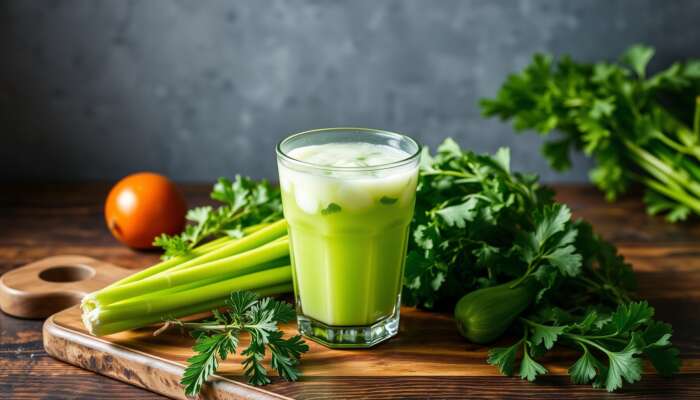
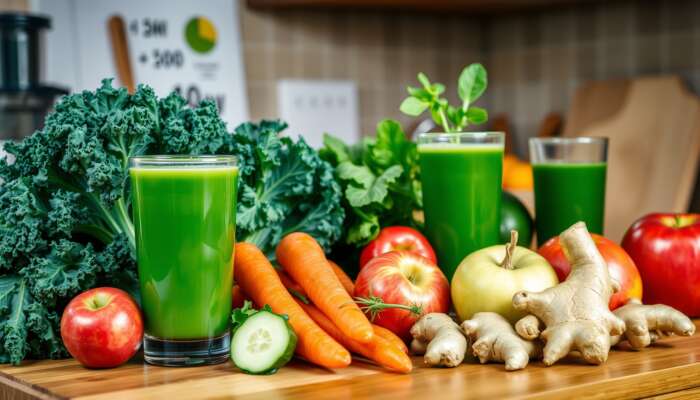
When it comes to juicing for picky eaters, the selection of fruits and vegetables plays a critical role. Not all produce is equal, and careful selection of ingredients rich in vitamins and minerals ensures that even the most selective eaters receive essential nutrients. Leafy greens like spinach or kale may appear daunting, but blending them with sweeter fruits such as apples or oranges can effectively mask their bitterness, making them more enjoyable.
The concept of nutrient density is vital here. Foods like blueberries, avocados, and beets offer a wealth of health benefits without overwhelming the palate. Seasonal produce should also be considered, as it can introduce an element of excitement and freshness to your juices. For example, in summer, incorporating refreshing options like watermelons and strawberries can invigorate your juices, while fall might inspire the use of apples and pumpkins.
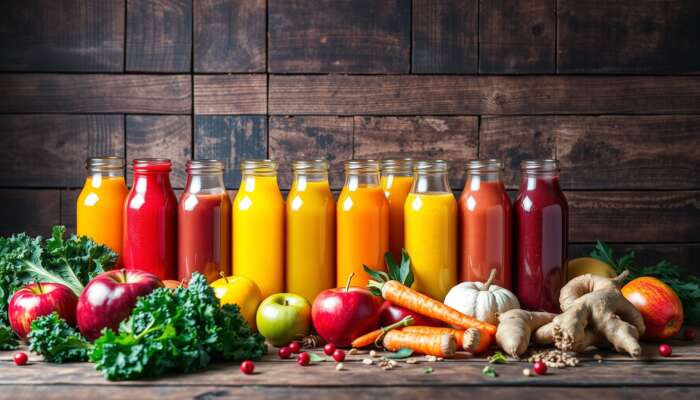
Variety is crucial. Rotating ingredients not only helps meet dietary requirements but also keeps the juicing experience engaging. By incorporating a spectrum of colors into your juices—think reds, greens, yellows, and purples—you can ensure a broader range of nutrients. This colorful approach is not only visually appealing but also serves as a gateway for picky eaters to explore flavors they may have previously overlooked.
Gradually Introducing New Flavors to Picky Eaters
Introducing new flavors to picky eaters can be likened to opening a door to an exciting world of culinary possibilities. Begin with familiar flavors that feel safe—such as a classic apple juice base—and gradually add a hint of something unfamiliar, like ginger or turmeric. This incremental approach can help ease their taste buds into exploring new territories without overwhelming them.
You can also employ a “sneaky” technique. By incorporating small amounts of less-favored vegetables, such as beets or spinach, into a delightfully sweet juice, you can gradually introduce them to different flavors. Over time, they may not even realize they are consuming something new or “healthy.”
Additionally, pairing new flavors with imaginative names can serve as an effective strategy. Instead of simply labeling it “green juice,” refer to it as “Superhero Juice” packed with energy-boosting ingredients. Associating positive experiences with unfamiliar tastes can change their perceptions and increase their willingness to experiment with new flavors.
Finally, remember that patience is essential. It may require multiple attempts before a picky eater embraces a new flavor. Celebrating small successes—like trying a new juice without outright rejecting it—can pave the way for lasting change.
Finding the Right Balance Between Sweet and Savory Flavors

Creating a harmonious blend of sweet and savory can be your secret weapon when juicing for picky eaters. The key lies in skillfully combining sweet fruits with savory vegetables to craft irresistible juice blends. For example, mixing ripe mango with spinach and a splash of lime can yield a refreshing, nutritious drink that feels more like a treat than a chore.
Understanding flavor profiles is essential in this endeavor. Sweet fruits such as bananas, peaches, or pineapples can effectively mask the more robust tastes of vegetables like kale or cucumber. This combination not only provides a nutritional boost but also delivers a balanced flavor that appeals to a wider variety of taste preferences.
Consider the textures as well. Adding a creamy element like avocado or coconut milk can enhance the richness of the drink, making it more appealing to picky eaters who favor creamier textures. This approach not only makes the juice more filling but can also attract those who are typically resistant to juicing.
Lastly, don’t hesitate to experiment with spices. A sprinkle of cinnamon or a dash of black pepper can elevate the flavor profile and intrigue the taste buds. By carefully balancing these elements, you can create juice recipes that not only satisfy picky eaters but also excite their palates.
Effective Juicing Techniques for Picky Eaters
Investing in Quality Juicers for Optimal Results
Investing in a high-quality juicer can significantly impact your journey in juicing for picky eaters. A reliable juicer efficiently extracts juice, preserving important nutrients and flavors that can appeal to even the most discerning palates. Masticating juicers typically produce richer flavors and nutrient-dense juices compared to centrifugal ones, which may create a frothy texture that picky eaters often find off-putting.
When selecting a juicer, take into account the types of produce you plan to use. Certain juicers excel with leafy greens, while others are better suited for hard vegetables and fruits. If you intend to experiment with a wide range of ingredients, a versatile model can significantly enhance your juicing experience.
Maintenance is another essential consideration. A juicer that is easy to clean will encourage regular use, facilitating the integration of juicing into your daily routine. The last thing you want is a complicated cleanup process to deter someone from trying new juices.
Beyond functionality, consider the noise level of the juicer. A quieter model will not intimidate picky eaters during their initial sips, fostering a more relaxed and enjoyable juicing experience.
Juicing Versus Blending: Choosing the Right Method
The ongoing discussion of juicing versus blending can help you determine the best method for your picky eater. Juicing extracts the liquid from fruits and vegetables while discarding the pulp. This process results in a smoother drink, which may be preferred by those sensitive to texture. Additionally, juicing allows for the concentration of nutrients into a small serving, making it easier to ensure picky eaters receive the vitamins they need.
Blending, however, retains the fiber of the produce. This can be beneficial for digestive health and may create a more substantial option, making it ideal for snacks or meal replacements. For picky eaters, beginning with juice can help ease them into the experience, while blended smoothies can be introduced later as they become accustomed to new flavors and textures.
Experimentation is essential in this area. Consider creating blended smoothies that incorporate juices for a dual approach. For instance, a smoothie made with banana, spinach, and a splash of orange juice can deliver a familiar fruity flavor while still introducing greens.
Ultimately, the decision between juicing and blending should align with the preferences of the picky eater. Offering both options empowers them in their choices, making them more inclined to try different flavors and textures.
Encouraging Creativity Through Juice Recipe Exploration
Fostering creativity in the kitchen can completely change how picky eaters perceive juice. Encouraging them to experiment with various recipes allows them to discover combinations that excite their taste buds. Start with a collection of simple base recipes and invite them to modify ingredients based on their preferences.
Consider hosting workshops or juice tastings where participants can blend and craft their unique concoctions. Make this experience playful by using themes such as “Tropical Paradise” or “Garden Greens” to inspire creativity. This method not only makes the process engaging but also instills a sense of ownership over the final product.
Utilizing a variety of recipes allows for exploration. Don’t hesitate to spice things up with herbs like mint or basil, which can introduce unexpected flavor twists. Additionally, incorporating seasonal fruits can keep the experience fresh and exciting.
As you experiment, keep track of what works and what doesn’t. A little trial and error will pave the way for discovering the perfect juice combinations that appeal to even the most selective eaters.
Gradual Introduction of Juices for Better Acceptance
Gradually introducing juices is a winning strategy for easing picky eaters into the juicing experience. Starting small can significantly influence their perception of new flavors and textures. Begin with a modest serving of juice mixed with familiar flavors—consider combining apple and carrot or strawberry and banana, which are often more palatable to hesitant eaters.
The key is to remain within their comfort zone. Presenting juices in a non-threatening manner will help them acclimate without overwhelming their senses. Gradually increase the proportion of less familiar ingredients, but do so subtly. If they enjoy apple juice, consider incorporating a small amount of kale or spinach, slowly increasing the quantity over time until they start accepting these flavors as part of their regular diet.
Timing is also crucial. Offer juices during relaxed moments rather than as a forced addition to meals. Pair them with snacks or light meals, allowing them to enjoy the juice naturally. On hot summer days, a refreshing juice can feel like a delightful treat rather than an obligation.
Encouragement is vital, so celebrate small victories. Each new sip can be a significant milestone in expanding their tastes, and positive reinforcement will greatly contribute to building their confidence when it comes to trying new flavors.
Making Juicing an Enjoyable Experience
Engaging Picky Eaters in the Juicing Journey
Involving picky eaters in the juicing process can dramatically change their attitude toward trying new flavors. When they participate in selecting and preparing ingredients, they are far more likely to embrace new tastes. Take them to the local market to pick out fresh produce, emphasizing the fun and creativity involved. Discuss the colors, shapes, and flavors of various fruits and vegetables, transforming the shopping experience into a sensory adventure.
Encourage them to wash, peel, or chop the ingredients (with supervision, of course). This hands-on involvement personalizes the process, making them feel a sense of ownership over the final product. You could even establish a “Juice Committee” at home, allowing everyone to take turns suggesting ingredients or juice themes for the week.
Another engaging tactic is to create a “Juice Journal.” After each juicing session, have them record their thoughts on the flavors they enjoyed or those they didn’t care for. This reflective practice enhances their engagement and makes them more eager to try juices in the future.
Finally, remember to celebrate successes. After their first successful juice-making experience, consider hosting a little celebration complete with a taste-testing party. This reinforces the idea that juicing can be enjoyable and strengthens their sense of involvement in the process.
Crafting Colorful and Appealing Juices
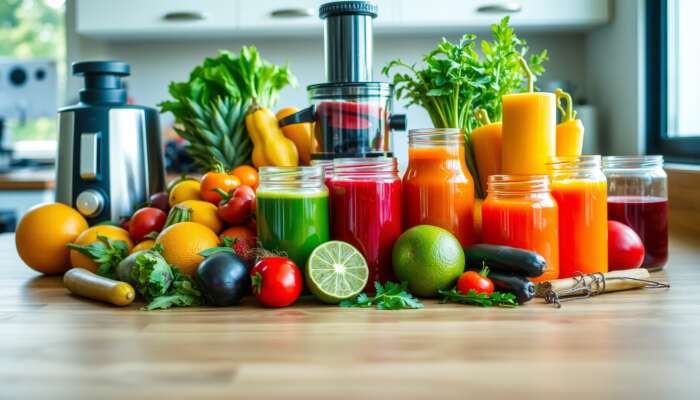
The visual appeal of juice can significantly impact how willing picky eaters are to give it a try. A vibrant, colorful juice not only looks appetizing but can also entice curious palates. Use an array of colorful fruits and vegetables to create juices that are as beautiful as they are nutritious.
For instance, a layered juice featuring bright orange carrots, deep green spinach, and ruby red beet juice can be a feast for the eyes. Serving the juice in clear cups allows the enticing colors to shine. Employing imaginative names for the juices can further enhance the experience. Rather than simply calling it “vegetable juice,” refer to it as “Rainbow Refresher” to capture their interest.
Don’t overlook garnishes! A sprig of mint, a slice of fruit on the rim, or even a playful straw can elevate the presentation. These small touches can encourage picky eaters to give the juice a chance.
Additionally, consider themed juicing. For example, create a “Tropical Sunset” juice using pineapple, mango, and orange, and serve it while playing beach-themed music. This immersive experience can transform trying new juices into a fun adventure rather than just another meal.
Organizing Engaging Juice Tasting Events
Hosting a juice tasting party can effectively introduce picky eaters to an array of flavors. Create an inviting atmosphere filled with different juice options for everyone to sample. Set up a “juice bar” featuring various fruits, vegetables, and spices, allowing guests to mix and match their combinations, fostering creativity and exploration.
Make it a social occasion. Encourage participants to share their feedback on each juice, discussing what they like or dislike about the flavors. This open dialogue can be enlightening for picky eaters, as they begin to realize that others share similar preferences or aversions.
Consider incorporating games or challenges into the event. For instance, you could time how quickly participants can create the best juice combination in under two minutes. This adds an element of excitement while fostering a sense of community around the juicing experience.
Capture the fun with a photo booth featuring playful props and funky glasses to make the event memorable. The more enjoyable and engaging you can make the tasting experience, the more inclined picky eaters will be to try new juices.
Incorporating Games and Challenges into the Juicing Process
Integrating a competitive spirit into juicing can elevate the experience from mundane to exhilarating! Introducing games and challenges creates an interactive environment that encourages picky eaters to participate without realizing they are broadening their culinary horizons.
For example, consider creating a “Juice Challenge” where participants must incorporate as many colors as possible into their juice. At the end, they could vote on the most creative concoction, promoting camaraderie and light-hearted competition. This not only inspires creativity but also encourages them to think beyond their comfort zones.
Another enjoyable game could be “Guess That Flavor,” where you blend a mystery juice and have everyone taste it to identify the ingredients. This challenge not only awakens their taste buds but also introduces them to new flavors in a pressure-free environment.
Be sure to celebrate all attempts, regardless of the outcome. Highlighting effort will instill confidence in picky eaters, motivating them to continue exploring new flavors in the future.
Enhancing the Juicing Experience Through Storytelling
Storytelling can take the juicing experience to incredible heights, especially for picky eaters. By sharing the origins and benefits of various ingredients, you can capture their interest and help them establish a connection with what they are consuming. For example, discussing the rich history of the mango—from its roots in South Asia to its popularity around the globe—can imbue the juice with significance and make it more appealing.
You might also share anecdotes about the health benefits of ingredients, weaving narratives around energy, vitality, or even magical attributes. Framing ingredients within a story can shift the focus from merely consuming food to embarking on a flavorful journey.
Encouraging them to create their own stories can further deepen engagement. After a juicing session, they could craft a backstory for their creation, perhaps naming it after an adventure or character. This exercise not only makes juice enjoyable but reinforces the idea that trying new flavors can lead to exciting discoveries.
By integrating storytelling into the juicing experience, you help picky eaters feel a sense of connection and excitement about what they are consuming.
Conquering Common Juicing Hurdles
Managing Texture Aversion in Juices
Texture aversions can present a significant challenge in the realm of juicing, especially for picky eaters. Some individuals may shy away from juices that are too thick, pulpy, or frothy. Being attuned to these aversions enables you to tailor your juicing techniques. Begin with smoother juices that are well-blended to provide a more appealing experience.
Utilizing a high-power blender can create a silky texture that minimizes any unpleasant mouthfeel. If they resist juices containing pulp, consider straining the juice to achieve a smoother consistency. This simple adjustment can make a remarkable difference, allowing them to explore new flavors without feeling overwhelmed by texture.
Additionally, incorporating ice or frozen fruits can result in a slushy texture, which may be more enticing. This not only cools the juice but also adds a fun twist that could captivate picky eaters.
Ultimately, patience and understanding are essential. Gradually introducing different textures over time can help them acclimate without feeling pressured.
Addressing Taste Sensitivities in Juicing
Taste sensitivities can complicate the process of juicing for picky eaters. Some individuals may find strong flavors overwhelming, while others may have a heightened aversion to bitterness or acidity. Adjusting juice recipes to accommodate these sensitivities can significantly enhance their experience with new flavors.
To start, use sweeter fruits as bases to mask any undesirable bitterness. Ingredients like ripe bananas, peaches, or apples can produce a pleasant sweetness that allows for the introduction of less familiar or bitter vegetables. Thoughtful pairing of ingredients can also be beneficial; for example, combining citrus with sweeter roots like carrots can create a refreshing balance.
Furthermore, don’t hesitate to dilute juices with water or coconut water for a milder flavor. This simple modification can make a juice more approachable while still providing nutritional benefits.
Additionally, consider allowing them to customize their juices post-blending. Providing extra ingredients such as honey or agave nectar enables them to adjust flavors to their liking without compromising the health benefits of the juice.
Ensuring a Nutritionally Balanced Juicing Approach
Monitoring nutritional balance is vital when exploring juicing for picky eaters. While juices can be delicious, it’s essential that they also deliver the necessary vitamins and minerals. A well-rounded juice should incorporate a variety of fruits and vegetables to ensure a comprehensive nutrient profile.
Start with a base of fruits for sweetness and flavor, gradually introducing greens and other vegetables. Leafy greens, in particular, are nutrient-dense and can be included in smaller amounts initially. Keep in mind that the goal is to showcase the flavors without overwhelming the eater, so a balanced blend can effectively achieve this.
Consider utilizing nutritional guides or apps to monitor the vitamins and minerals in your juice creations. This not only guarantees that picky eaters receive a balanced diet but also allows you to experiment with combinations that maximize health benefits.
Lastly, remember that juicing should not be the sole source of nutrition. Supplementing with whole fruits and vegetables can help maintain a balanced diet, ensuring that picky eaters receive the full spectrum of nutrients essential for optimal health.
Minimizing Waste While Maximizing Juice Yield
Maximizing juice yield while minimizing waste is a practical concern that can be easily addressed. When learning how to juice for picky eaters, making efficient use of ingredients ensures that every piece of produce counts. One effective strategy is to combine juicing with blending. By incorporating leftover pulp into smoothies, you can prevent waste.
Moreover, consider freezing excess fruits and vegetables when they are at their peak freshness. This allows you to have a variety of options readily available for juicing whenever the mood strikes.
Using techniques like proper slicing and minimizing waste during preparation can also contribute to maximizing yield. For instance, utilizing the entire fruit or vegetable, including peels and cores, can enhance flavor and nutrients while reducing waste.
Finally, establish a plan for any leftover juice. Whether repurposing it in smoothies, cooking, or even as a salad dressing, finding creative uses for surplus juice ensures that nothing goes unused.
Overcoming Time Constraints in Juicing
Time constraints are a common obstacle when it comes to juicing, especially for busy families or individuals. Nevertheless, developing quick and efficient juicing routines can make integrating this healthy habit into your lifestyle seamless.
Batch-prepping ingredients in advance can be a lifesaver. Dedicate some time during the weekends to wash and cut fruits and vegetables into ready-to-use portions. Store them in airtight containers in the fridge for easy access when you’re ready to juice.
Consider investing in equipment that expedites the juicing process, such as a high-speed juicer or blender. This can save precious minutes during the morning rush, allowing for nutritious juice without the hassle.
Lastly, consider the timing of your juicing routine. Designating specific times for juicing—whether in the morning, as a pre-dinner snack, or even around lunchtime—can help establish a habit, integrating it seamlessly into daily life.
Integrating Juices into Everyday Life
Establishing Regular Juicing Habits
Incorporating juicing into daily routines can revolutionize how picky eaters approach nutrition. Establishing consistent juicing habits not only guarantees they receive essential nutrients but also helps make juicing feel like a natural part of their lifestyle. Start by designating specific days and times devoted to juicing, creating a predictable schedule that everyone can adhere to.
Consider linking juicing to existing routines, such as enjoying a glass in the morning with breakfast or as an afternoon snack. When juicing becomes associated with enjoyable routines, it is more likely to be embraced.
Encouraging involvement in meal planning can further solidify these habits. When picky eaters have a say in which juices will be prepared, they become more invested in the process and may feel more excited about trying new flavors.
Lastly, keeping a visible reminder, like a colorful calendar or a designated juicing station, can reinforce the habit. Celebrate milestones, such as trying a new juice each week or successfully incorporating greens into their juice, to maintain enthusiasm and motivation.
Pairing Juices with Meal Options
Pairing juices with meals can enhance the dining experience while ensuring picky eaters receive balanced nutrition. Juices can complement dishes, elevating flavors while introducing essential vitamins. For instance, serving a fresh beet and apple juice alongside a quinoa salad can create a colorful, nutrient-rich meal that entices even the most selective eaters.
Consider flavor pairings between juices and meals. A refreshing cucumber-mint juice would beautifully accompany a light summer dish, while a hearty carrot-orange juice might provide the perfect complement to roasted vegetables.
Encouraging the notion that juices are part of a complete meal can help picky eaters perceive them as more than just a beverage. This perspective can make them more willing to try juices alongside their favorite foods, fostering a more balanced approach to nutrition.
Additionally, consider creating themed meals where juices take center stage. For instance, a “Taco Night” could feature a vibrant salsa paired with a zesty lime juice, making the entire dining experience both enjoyable and nutritious.
Utilizing Juices as Snack Alternatives
Offering juices as nutritious snack options can keep picky eaters satisfied and nourished between meals. Juices can serve as quick energy boosters, particularly when crafted from fruits and vegetables that provide lasting energy. Opt for smaller servings that are easy to consume, making them ideal for snacking.
Pairing juices with healthy snacks can also enhance the overall experience. For example, serving a refreshing watermelon juice alongside whole-grain crackers or hummus can offer a well-rounded snack option that appeals to picky eaters.
Encourage creativity by allowing picky eaters to design their juice snacks. You might set up a “Juice Bar” where they can mix and match their favorite ingredients to create personalized snack juices, making the experience interactive and engaging.
Finally, ensure that juices are easily accessible. Having pre-made or easy-to-pour juices in the fridge allows picky eaters to grab a nutritious snack whenever the craving strikes.
Scheduling Dedicated Juice Breaks
Establishing specific times throughout the day for juice consumption can be a beneficial strategy to help picky eaters maintain energy and hydration levels. Consider incorporating juice breaks before or after school, during mid-morning lulls, or as an afternoon pick-me-up.
Creating designated juice breaks establishes a structured routine that can be particularly advantageous for children. This gives them something to anticipate, making juice an enjoyable aspect of their day rather than a tedious obligation.
Make juice breaks enjoyable by integrating elements such as tasting games or allowing them to select the flavors they want to sample each day. This involvement fosters enthusiasm and encourages them to try new juices regularly.
Lastly, reinforce the idea that juice breaks are crucial for hydration and energy. Sharing information about the positive effects of fruits and vegetables on daily activities can make the experience more meaningful.
Evaluating Progress and Adapting Strategies
Monitoring Dietary Changes and Improvements
Tracking progress is essential when navigating the realm of juicing for picky eaters. Keeping a record of dietary changes and improvements can provide valuable insights into what strategies work and which do not. Begin by documenting the types of juices made, the ingredients used, and the reactions of picky eaters. This journal can help identify patterns in preferences and aversions, guiding future juicing efforts.
As you monitor dietary changes, celebrate the small victories. If a picky eater tries a new juice without outright rejecting it, make a note of it! Recognizing these achievements reinforces positive behavior and motivates them to continue exploring new flavors.
Moreover, consider involving picky eaters in the tracking process. Allowing them to share their thoughts on each juice or jot down their favorites can enhance their engagement and sense of responsibility in their dietary choices.
Finally, be prepared to adjust your strategies based on the feedback collected. If a particular juice consistently gets rejected, it may be time to reassess the ingredients or find a new way to introduce those flavors. Flexibility is key in nurturing a positive juicing experience for picky eaters.
Frequently Asked Questions About Juicing
What should I do if my picky eater refuses to try juice?
Start by introducing juices in small amounts mixed with familiar flavors. Gradually increase the variety over time, ensuring a low-pressure environment.
Are there specific fruits or vegetables that are better for picky eaters?
Sweet fruits like apples, bananas, and berries tend to be more appealing. Pairing them with mild vegetables like carrots or spinach can create balanced flavors.
How can I make juice more appealing to my child?
Make it fun by involving them in the selection and juicing process. Use colorful ingredients and creative names for the juices to spark interest.
Can I use frozen fruits for juicing?
Absolutely! Frozen fruits can enhance the texture and chill of the juice, making it refreshing and easy to work with.
How do I choose the right juicer?
Select a juicer based on your needs—masticating juicers offer better texture for greens, while centrifugal ones are faster for mixed fruits.
What if my child has texture aversions?
Start with smooth juices and gradually introduce different textures. Strain the juice if needed, or blend ingredients thoroughly for a creamier consistency.
Can juicing replace whole fruits and vegetables?
Juicing should complement whole fruits and vegetables, not replace them. Aim for a balanced diet that includes both juices and solid foods.
How can I keep juices from going to waste?
Batch prep juices and store them in airtight containers in the fridge. Use leftover pulp in smoothies or baking to minimize waste.
Is it possible to make juicing a regular habit?
Yes! Establish a routine by setting specific days and times for juicing. Involve picky eaters in meal planning to make it a fun and regular activity.
What should I do if my picky eater only likes one type of juice?
Celebrate their preference but encourage gradual experimentation. Mix familiar flavors with new ingredients to slowly expand their palate.


Your exploration of the complexities of picky eating resonates deeply with many parents and caregivers, myself included. The insights you’ve shared regarding how picky eating behaviors can reflect deeper interactions with food—like taste, texture, and even fear of novelty—prompt important conversations about our relationships with what we eat.
It’s encouraging to hear that my exploration of picky eating strikes a chord with you and many others. It’s such a nuanced topic, isn’t it? Those little quirks around food often reveal so much about our experiences, preferences, and even our emotions. I find that it’s really fascinating how a child’s reaction to certain textures or tastes can reflect broader feelings about control and comfort, especially in today’s fast-paced world.
I completely relate to your thoughts on picky eating and how it runs deeper than just a simple aversion to certain foods. It’s fascinating to consider how much of our relationship with food is shaped by what we experience growing up. I’ve seen this with my own kids—sometimes their choices seem to reflect not just taste, but complex emotional connections tied to food.
I really resonate with the idea that picky eating often stems from a deeper interaction of taste and fear of the unfamiliar. I remember a time when my niece was so particular about her food that it turned mealtimes into a mini negotiation! We eventually discovered she had a strong aversion to textures but loved specific tastes. It helped us find creative ways to introduce new foods—like sneaking in pureed veggies into her favorite pasta sauce.
It’s interesting you bring up the connection between picky eating and deeper issues related to taste and texture. The negotiation over mealtimes can feel like a minor diplomatic mission, but it’s becoming increasingly clear that picky eating might be less about stubbornness and more about sensory preferences that we sometimes overlook. Your niece’s aversion to textures is a perfect example of how complex this can be. It’s not just about the food itself; it’s about how it feels, smells, and looks that can trigger discomfort or even fear.
It’s so true that navigating mealtimes can feel like a diplomatic mission, especially with a picky eater. I’ve noticed similar patterns in friends and family, where what seems like simple pickiness is often tied to a sensory experience that can be quite intense. Your mention of sensory preferences really resonates with me; it makes me think about how much our environment plays a role in our eating habits.
The dynamics of picky eating certainly seem to represent an interesting yet challenging facet of culinary experiences, particularly when it involves children or partners who display these behaviors. You brought up some compelling points regarding the intertwined aspects of taste, texture, and fear of the unfamiliar. It’s a complex psychological and sensory battle that many overlook when they see someone refuse certain foods. Observing how individuals gravitate toward specific textures not only highlights personal preferences but also reveals the significant role that our early experiences with food play in shaping our palates.
Your exploration of picky eating patterns resonates with many of us who navigate mealtime challenges, particularly with children. The emphasis on texture is particularly insightful, as I’ve observed that preferences often extend beyond taste to encompass tactile experiences. For instance, my nephew has a strong aversion to anything that feels gritty or overly soft, which not only limits his diet but also complicates social situations, like family gatherings where diverse dishes are served.
I completely get where you’re coming from. Texture really does play a huge role in picky eating. It’s fascinating how our senses influence our choices. In your nephew’s case, it sounds like his feelings about texture create a tight box around what he considers acceptable. Gritty or overly soft foods can definitely be a tough sell.
It’s interesting how texture plays such a crucial role in shaping our eating experiences, especially for children. Your example of your nephew highlights a common challenge. Many kids develop strong preferences that seem to have little to do with taste alone. The gritty or overly soft textures can indeed trigger discomfort and reluctance to try new foods.
It’s interesting to hear how your nephew’s experience mirrors some of the points I touched on in the article. Texture really does play such a significant role in how we relate to food, and it’s not something that’s often discussed. When we think about eating, the focus tends to be heavily on flavors, but those tactile experiences shape so much of our preferences and dislikes.
I completely agree with you about the importance of texture in our relationship with food. It’s fascinating how something so tactile can have such a profound impact on our dining experiences, often overshadowed by flavors alone. I think back to my own experiences with different foods—like how a creamy avocado can feel so comforting, while the crunch of a fresh vegetable can bring a whole different energy to a meal.
Your exploration of picky eating patterns truly resonates with many of us who have navigated this complex landscape, whether with children or even within our own preferences. It’s fascinating to consider how these eating behaviors extend beyond the dinner table and reflect broader human experiences. For instance, the connection between food and emotional comfort is profound. Many picky eaters find solace in familiar textures and flavors, which often serve as an anchor amid life’s uncertainties.
Your reflection on the emotional ties to food really resonates with me. It’s so true that our eating habits often mirror deeper aspects of our lives. I’ve noticed in my own experience how certain foods can evoke powerful memories or feelings of comfort, especially during stressful times. For instance, there’s a particular dish my grandmother used to make that never fails to transport me back to my childhood kitchen, filled with warmth and laughter.
I completely understand what you mean about the emotional ties to food. It’s fascinating how certain dishes act as tangible connections to our past, bringing back not just flavors but whole atmospheres filled with love and warmth. Those childhood memories tied to food are often some of the most comforting, especially during stressful times when we crave that sense of safety and familiarity.
Your exploration of picky eating patterns resonates deeply with me, particularly the way you highlight the profound interplay of texture, taste, and emotional responses in food preferences. As someone who was quite a picky eater during my childhood, I can relate to the complexities involved in this seemingly simple aspect of life. I remember vividly how I would turn my nose up at anything green and only felt comfortable with a very narrow selection of foods—things like plain pasta, chicken nuggets, and somewhat bland snacks.
Your exploration of picky eating behaviors resonates deeply with my own experiences navigating this complex landscape, especially as a parent. I’ve noticed similar patterns with my children, who often favor specific textures and flavors—one is particularly averse to anything perceived as slimy, which has made introducing nutritious foods challenging.
This exploration into the intricacies of picky eating truly captures the essence of a struggle that resonates with many, both in familial contexts and with personal dining experiences. The notion that picky eating is not merely a whim but a complex interplay of sensory perceptions is especially intriguing. It reminds me of how our early interactions with food can shape our lifelong habits and preferences.
You’ve highlighted an important aspect of picky eating that often gets overlooked. The relationship between our early interactions with food and our adult preferences can’t be understated. It’s fascinating how experiences during childhood—whether it’s the textures we were exposed to or the environments in which we learned to eat—can leave a lasting impression on our tastes and eating habits.
Your reflection on the complexities of picky eating resonates deeply. It’s compelling to consider how our early food experiences shape not just our preferences but also our relationships with food throughout life. Childhood is a crucial time for developing our taste buds—what we try, what we enjoy, and what we disdain can create patterns that last into adulthood.
I really appreciate how you’ve highlighted the complexities of picky eating in your post. It’s such an interesting topic to unpack, especially since so many of us experience it, whether in ourselves or in children we care for. I’ve noticed particular patterns in my own family. My niece, for example, has a strong aversion to any food that isn’t either crispy or crunchy. She loves snacks like carrot sticks and apple slices but will flat-out refuse anything that feels mushy, like oatmeal or even bananas. The texture really does play a crucial role, and it’s fascinating how it can create such stark preferences at such a young age.
It sounds like your niece is onto something with her crunchy crusade! Kids can be so particular about textures, can’t they? I often wonder if there’s some secret society of tiny food critics out there, armed with their own set of culinary standards that the rest of us just haven’t cracked yet. With all those little taste buds at work, what might seem like an aversion to mushy foods might actually be an instinct to preserve the crunchy integrity of their snacks.
It’s so interesting to hear about your niece’s specific food preferences. The relationship we have with food can be really intricate, especially when it comes to textures. Your mention of her love for crispy snacks like carrot sticks and apple slices is a great example of how texture can dictate what kids are willing to try.
This exploration of picky eating resonates with me on a personal level. I’ve navigated the picky eating landscape with my own child, who, much like the examples you provided, gravitates toward familiar textures and flavors. It’s fascinating how deeply rooted these preferences can be, often tied to sensory experiences that we, as adults, may overlook in our quest for variety in our diets.
This post offers valuable insights into the complexities of picky eating, which often goes beyond mere preferences and delves into deeper psychological factors. For instance, I’ve observed how my niece’s aversion to certain textures affects her willingness to try new foods. She gravitates toward crunchy snacks, while anything smooth or creamy is met with immediate resistance.
It’s interesting to hear about your niece’s specific preferences and how textures play such a significant role in her eating habits. Texture can be a major barrier for many picky eaters, often influencing not just their willingness to try new foods, but also their overall relationship with food. For kids, the sensory experience of eating—how something feels in their mouth—can sometimes overshadow the taste itself.
I resonate deeply with your insights on picky eating—it really does feel like navigating a battlefield at times! My own experience with a family member who exhibits these traits has taught me the importance of patience and creativity. For instance, experimenting with different cooking methods or presentation styles has surprisingly made a difference; roasting veggies instead of steaming them can change everything!
Navigating picky eating can definitely feel like a battleground sometimes. It sounds like you’re really tuned in to what makes a difference! Your idea of switching up cooking methods is spot on—it’s amazing how something as simple as roasting can transform the flavor of vegetables. I had a similar experience when I started incorporating more herbs and spices into my meals. Just a sprinkle of something fresh can turn a meal from “meh” to something they might actually want to try.
I found your exploration of picky eating behavior so relatable! Having navigated this with my own child, I can say that observing their food preferences has provided me with valuable insights. It’s fascinating how texture plays such a pivotal role—my kiddo refuses anything that isn’t crispy! I’ve discovered that incorporating small changes, like roasting vegetables for that crunch, has made a world of difference in their willingness to try new foods. It’s interesting to consider how our own food histories shape our palates; I still shudder at the thought of “slimy” greens! This has inspired me to think creatively about textures, and I wonder how much these preferences stem from early food experiences. Have you encountered any unique strategies that have worked for you or others in broadening a picky eater’s menu? I’d love to hear more!
I can certainly relate to the intricacies of picky eating, especially having navigated similar challenges in my own family. It’s intriguing to see how deeply interconnected our food preferences can be with our emotions and sensory experiences—so much more than mere “likes” or “dislikes.” For instance, my younger sibling had a notorious aversion to anything green. It wasn’t just about the taste; there was an overwhelming discomfort related to the very idea of eating vegetables. This symbiotic relationship of texture and taste that you mention really resonates with me, as I recall numerous attempts to incorporate greens into meals, only to meet resistance that seemed more about instinct than choice.
Recognizing common picky eating patterns is such an important first step in addressing the issue. I find it fascinating how deeply ingrained certain food preferences can be, especially when it comes to textures. My younger sibling, for example, had a strong aversion to anything creamy, opting for crunchy textures instead. This not only limited their diet but also made mealtimes a bit of a challenge.
You raise some compelling points about the nuances of picky eating, particularly how deeply entrenched these behaviors can become in our daily lives. I’ve observed similar patterns in my own experiences, especially with a family member who exhibits strong preferences for certain textures. For instance, they refuse anything with a mushy consistency, relying heavily on crunchy foods. It often leads to missed opportunities for diverse nutrition, which is concerning.
It’s fascinating how picky eating can tell us so much about individual preferences and even personality traits. Your insights about the strong aversion to certain textures really resonate with me! I’ve found that my own niece has a very selective palate, especially when it comes to foods like avocado or yogurt, which she finds “slimy.” It made me realize how important the sensory experience of eating is for children (and adults too!).
I totally relate to the notion of picky eating feeling like a battlefield! I’ve got a little one at home who has a knack for shunning anything green or overly textured. It’s interesting how these preferences can be so deeply ingrained and tied to sensory experiences. I found that the battle often isn’t just about the food itself, but also about the emotional aspect—like how a new dish might feel daunting to them.
I really appreciate how you’ve highlighted the complexities of picky eating! It’s fascinating to see how our preferences can stem from deeper sensory experiences. For instance, my niece went through a phase where she only wanted to eat beige foods—think pasta, bread, and crackers—while anything with color was met with outright refusal. I started keeping a food diary for her, and it really helped us track her feelings towards different textures and flavors.
It’s really interesting to hear about your niece’s beige food phase. It’s wild how much color can influence a child’s willingness to try something new. Keeping a food diary sounds like a smart move; it must have given you both a clearer picture of her food preferences and how they connect to her feelings.
I really appreciate your insights into picky eating—it’s such a fascinating journey, isn’t it? Your example of your niece gravitating towards beige foods is spot on. It’s interesting to see how kids can latch onto certain colors, textures, and even shapes when it comes to their meals. Those “beige” phases can often feel like a mystery, but they reveal a lot about their sensory preferences and comfort zones.
Your insights into the patterns of picky eating resonate with my own experiences. I remember when my younger sibling was particularly averse to textures, especially anything creamy or mashed—potatoes and avocados were absolute deal-breakers! It was fascinating, though frustrating at times, to see how something as simple as texture could dictate their entire food choices.